





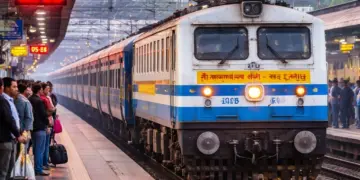


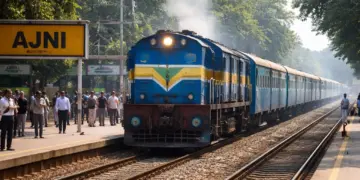


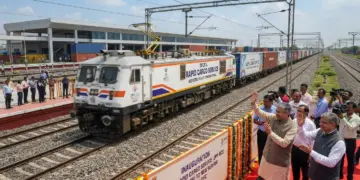





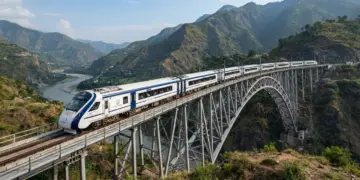
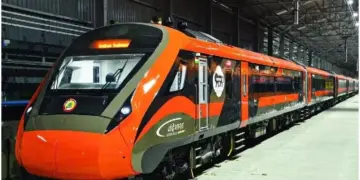
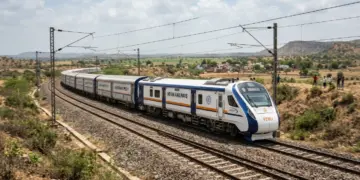
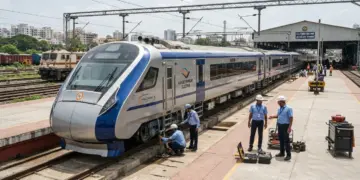
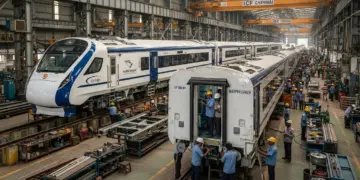







Indian Railways is advancing its high-speed infrastructure project to upgrade the vital Delhi-Mumbai rail corridor to a four-line system, enabling trains to reach speeds of 160 km/h. This ambitious development aims to significantly transform intercity travel for millions of passengers across the country.
Key highlights of the Delhi-Mumbai route upgrade project include:
– The ambitious project aims to reduce travel time between New Delhi and Mumbai to approximately 12 hours by early 2027.
– The total route spans 1,386 km with significant multi-tracking progress including active construction on the 64 km stretch between Dahanu Road and Virar.
– As of July 15, 2026, the Kota rail division has successfully readied a 549 km section for 160 km/h operations with the KAVACH safety system.
– Approximately 1,258 km of track from New Delhi to Virar is already equipped with the indigenous KAVACH system.
Final Stages of Project Execution
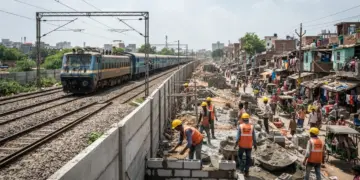
Western Railway General Manager Ramashray Pandey confirmed that the project is currently in its final stages. Civil works, which include bridge rehabilitation and weldable CMS joint installations, are nearing completion in various critical sections such as Nagda to Mumbai Central and Vadodara to Ahmedabad. These meticulous engineering upgrades are essential for handling sustained high-speed operations safely and efficiently.
Safety Systems and Freight Separation
To ensure absolute safety during high-speed transit, extensive technological upgrades have been implemented alongside civil construction. The integration of the indigenous KAVACH automatic train protection system covers a vast majority of the route. Furthermore, the project is expected to see substantial operational relief once the Western Dedicated Freight Corridor is fully commissioned, as this will effectively separate heavy freight traffic from passenger services and streamline train movements.