


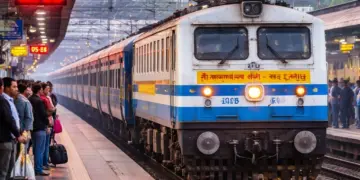
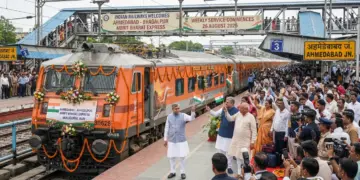
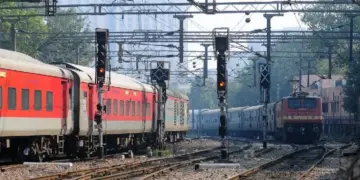
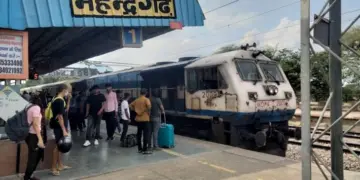
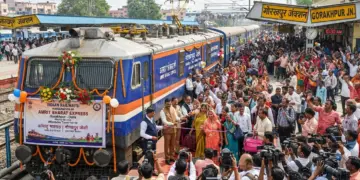
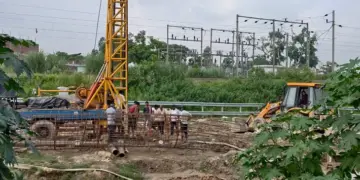
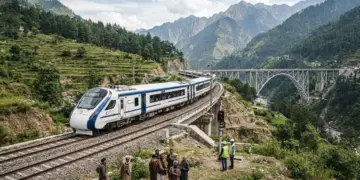
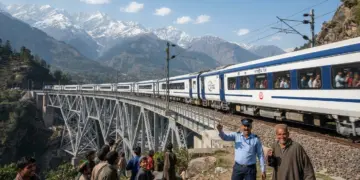
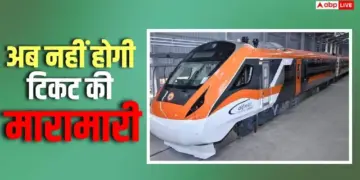
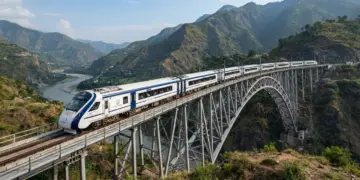
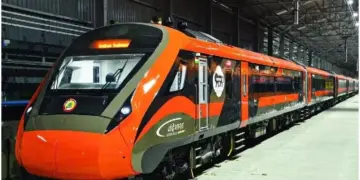
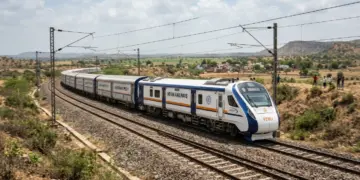
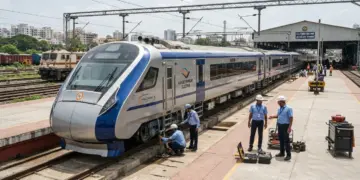



Electric train services are set to commence soon on the 94-kilometer Dausa-Gangapur rail route following the successful completion of electrification and engine trials. As of August 18, 2026, electrification work and engine testing on the segment between Lalsot and Gangapur have been finalized. Passengers traveling on this route can look forward to faster journeys, reduced pollution, and better connectivity as Indian Railways moves closer to its green energy goals.
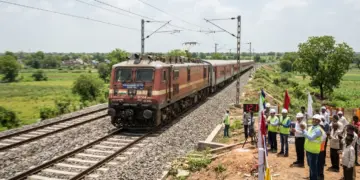
The project is a key component of the Mission 2026 initiative to electrify the entire track and has been executed at an estimated cost of ₹143 crore. Previous trials have confirmed the operational readiness of the line, including an electric locomotive test conducted on April 2, 2026, between Lalsot and Gangapur City. During that trial, the engine maintained speeds ranging from 65 to 80 kilometers per hour in accordance with safety standards. Approximately two months prior to that test, a similar trial was successfully executed between Dausa and Salempura.
Approval and Inspection
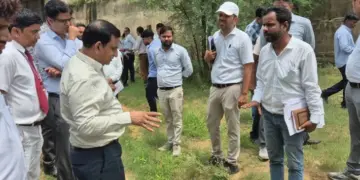
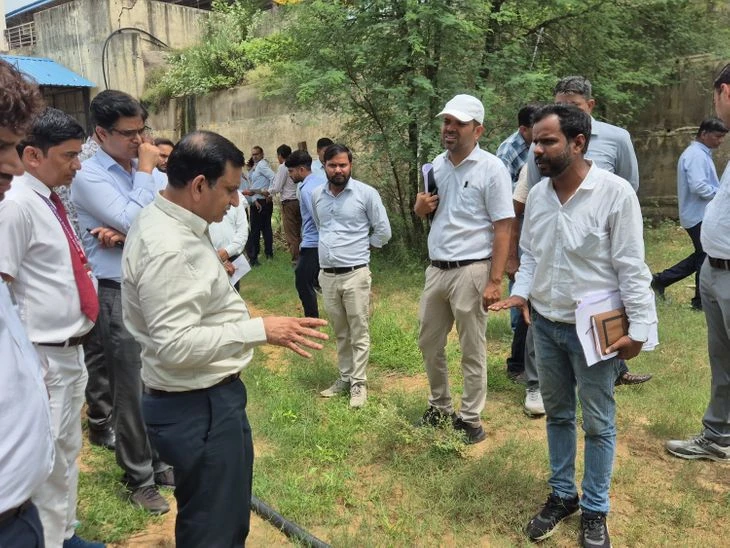
The North Western Railway project received momentum when Principal Chief Electrical Engineer A.K. Jain authorized the loco trials on March 30, 2026, following a rigorous inspection alongside senior railway officials. The project was initially slated for completion by March 2026, and the successful finalization of all safety checks paves the way for regular passenger services using electric traction.
Economic and Operational Benefits
Transitioning to electric operations is expected to provide significant economic and operational benefits for Indian Railways. Railway officials estimate that costs will decrease drastically from ₹500 per kilometer for diesel-powered engines to ₹250 per kilometer for electric engines. Furthermore, trains are projected to reach higher operational speeds between 110 and 130 kilometers per hour. Beyond improved speed and passenger comfort, the electrification of the route is anticipated to reduce pollution levels and improve regional connectivity, linking Lalsot directly to major hubs via the Delhi-Ahmedabad and Delhi-Mumbai corridors.