


















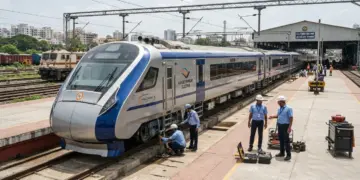


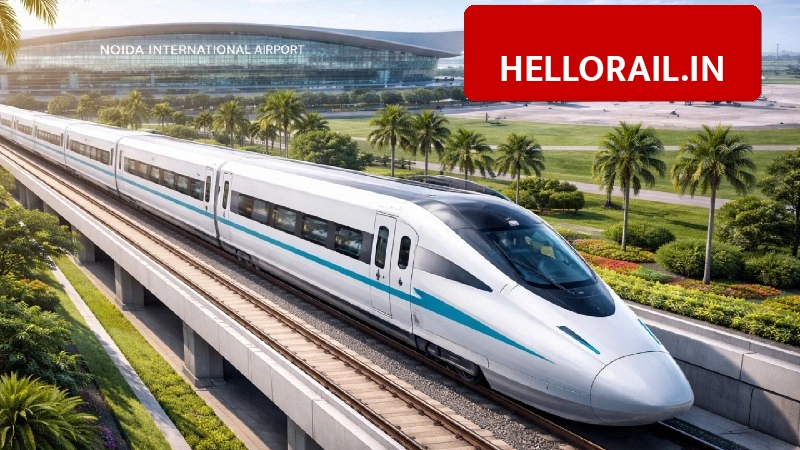

Noida International Airport is preparing to launch as an integrated transport hub with high-speed rail connectivity. Jewar MLA Dhirendra Singh recently approached Union Railway Minister Ashwini Vaishnaw to discuss the progress of these vital rail links. The plan involves multiple projects including the Regional Rapid Transit System and the Delhi-Varanasi High-Speed Rail corridor to ensure fast access for travelers.
👉: Indian Railways restores MEMU and passenger trains until April 7, check full list of routes।
What is the current status of the Ghaziabad-Jewar RRTS corridor?
The Ghaziabad-Jewar RRTS is a 72.44 km semi-high-speed rail corridor designed to link Ghaziabad and Noida with the upcoming airport. The Detailed Project Report has been finalized and forwarded to the Union Ministry of Housing and Urban Affairs for final processing. This project will feature 12 stations and is expected to cost around ₹20,360 crore. The corridor is designed for speeds of 180 km/h, making it possible to travel from Ghaziabad to the airport in less than 50 minutes.
Overview of rail connectivity and infrastructure plans
The airport will be connected through various rail formats to ensure it serves as a major logistics and passenger hub. The authorities are working on integrating Rapid Rail, Metro, and Light Rail Transit on the same track for the first time in India. The following table highlights the key projects and their features based on the latest reports.
| Project/Feature | Key Details |
|---|---|
| Ghaziabad-Jewar RRTS | 72.44 km corridor with 12 stations |
| Delhi-Varanasi Bullet Train | Reduces travel time to Delhi to 21 minutes |
| Namo Bharat Rapid Rail | Proposed 72.44 km link with 22 stations |
| Estimated Project Cost | Approximately ₹20,360 crore |
| Operational Speed | 180 km/h maximum design speed |
| Phase-I Completion | Estimated by June 2027 |
| Railway Integration | Connectivity to Delhi-Mumbai and Delhi-Howrah routes |