



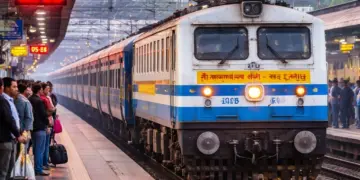

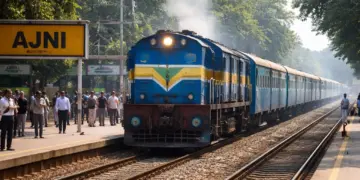
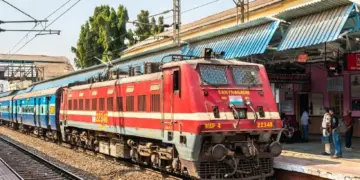


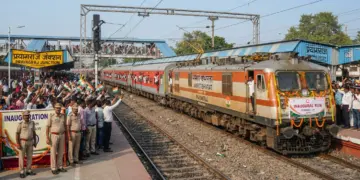
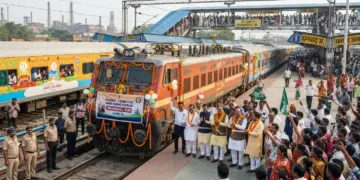
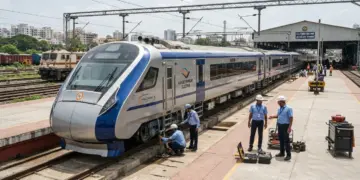
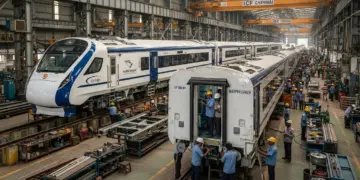
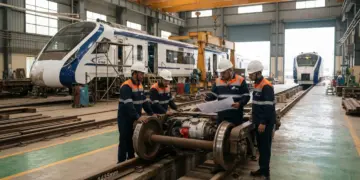
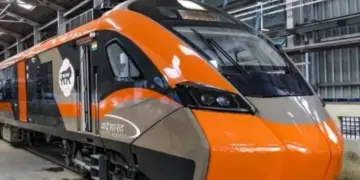

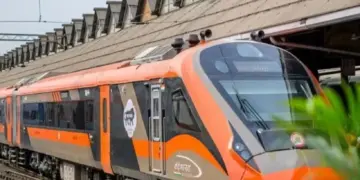


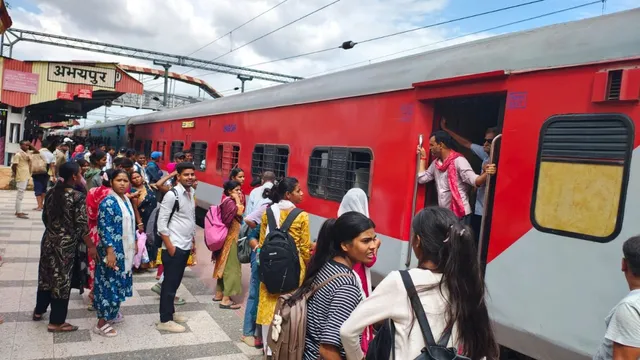

Indian Railways is set to significantly boost connectivity between Gujarat and Bihar with the launch of the new weekly Amrit Bharat Express. This service replaces the existing Ahmedabad-Patna Clone Special, providing a more robust travel option for passengers. The train will run with a composition of 22 modern LHB coaches, ensuring a safer and more comfortable journey for travelers traversing across Gujarat, Rajasthan, Uttar Pradesh, and Bihar.
- Launch Date: Starts from Ahmedabad on August 26, 2026, and from Bhagalpur on August 28, 2026.
- Train Numbers: 19423 (Ahmedabad-Bhagalpur) and 19424 (Bhagalpur-Ahmedabad).
- Frequency: Weekly service operating throughout the year.
- Coach Composition: 22 LHB coaches featuring modern, cost-effective sleeper and unreserved seating.
Schedule and Route Details
According to the official notification issued by Western Railway, train number 19423 will depart from Ahmedabad every Wednesday at 6:30 p.m., reaching its destination in Bhagalpur at 6:40 a.m. on Friday. For the return journey, train number 19424 will depart from Bhagalpur every Friday at 4:45 p.m., arriving at Ahmedabad Junction at 5:25 a.m. on Sunday.
The route is strategically planned to serve major transit hubs. Key halts include Agra, Prayagraj (Subedarganj), Jamalpur, and Kiul. Furthermore, the train will pass through several important stations such as Sultan-ganj, Abhaipur, Patna, Pt. Deen Dayal Upadhyaya Junction, Tundla, Kota, Ratlam, Godhra, and Chhayapuri. This extensive network ensures that passengers from various regions have improved access to high-demand corridors.
Focus on Passenger Experience
The Amrit Bharat Express is designed specifically to offer a superior travel experience for passengers who prefer non-air-conditioned sleeper and unreserved travel. By utilizing LHB (Linke Hofmann Busch) coaches, Indian Railways is prioritizing passenger safety and ride quality. This conversion from a clone special to a regular service reflects the railway’s commitment to stabilizing and enhancing the connectivity between western and eastern India, making long-distance travel more reliable for the common man.