


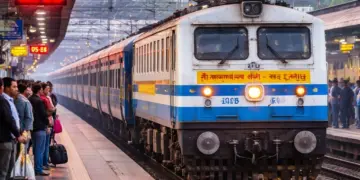




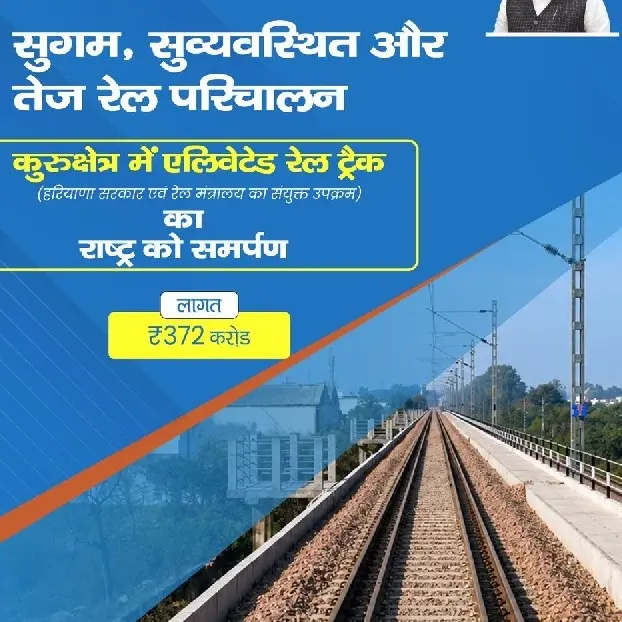

Prime Minister Narendra Modi virtually inaugurated the **5.9-kilometer-long Kurukshetra Elevated Track** on Friday, July 17, 2026, marking a major milestone for rail infrastructure in Haryana. Developed through a partnership between the Ministry of Railways and the Haryana Government, this project is designed to streamline train operations while drastically improving urban mobility by removing five major railway crossings that previously caused significant traffic bottlenecks.
Key highlights of the project include:
- Project Length: A 5.9-kilometer elevated corridor.
- Total Cost: Completed at an investment of ₹447 crore.
- Funding Split: The Haryana Government contributed ₹206 crore, with the remainder funded by the Ministry of Railways.
- Traffic Relief: Five critical railway crossings at Main Bazaar, Jhansa Road, Birla Mandir, LNJP Hospital, and the third gate of Kurukshetra University are now eliminated.
- Timeline: Approved in 2019, foundation stone laid in 2019, and successful trial run conducted on July 9, 2026.
A Boost for Urban Connectivity
The project represents a successful collaboration between the Ministry of Railways, the Haryana Government, and the Haryana Rail Infrastructure Development Corporation (HRIDC). By elevating the tracks, the city of Kurukshetra can now enjoy seamless road connectivity, as the persistent delays caused by closing railway gates are now a thing of the past. This infrastructure upgrade is expected to enhance road safety for thousands of commuters and residents who rely on these arterial roads daily.
A Day of Major Infrastructure Milestones
During the virtual ceremony from Jind, Haryana Chief Minister Nayab Singh Saini praised the project for providing much-needed relief to the residents of Kurukshetra, noting that it effectively resolves the city’s long-standing traffic congestion issues. Prime Minister Modi emphasized that this elevated track is a vital part of the government’s broader mission to modernize urban infrastructure across the country.
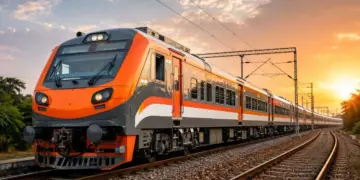
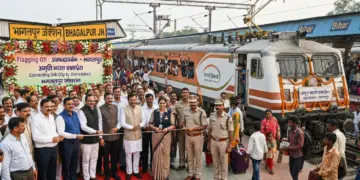
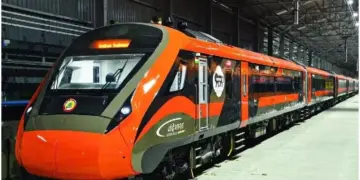
In addition to the track inauguration, the Prime Minister’s visit was marked by other significant developments. He laid the foundation stone for a new Sikh Museum in Umri village and officially flagged off India’s first hydrogen-powered train, showcasing a major push toward sustainable and green rail technology. These projects collectively highlight the government’s focus on integrating heritage, innovation, and efficient transportation into the national rail network.