






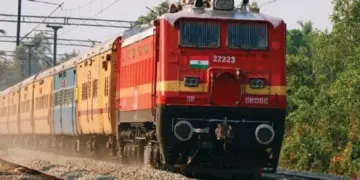






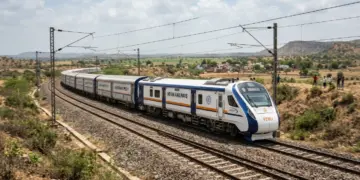
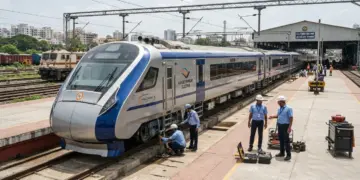


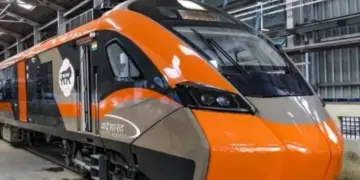



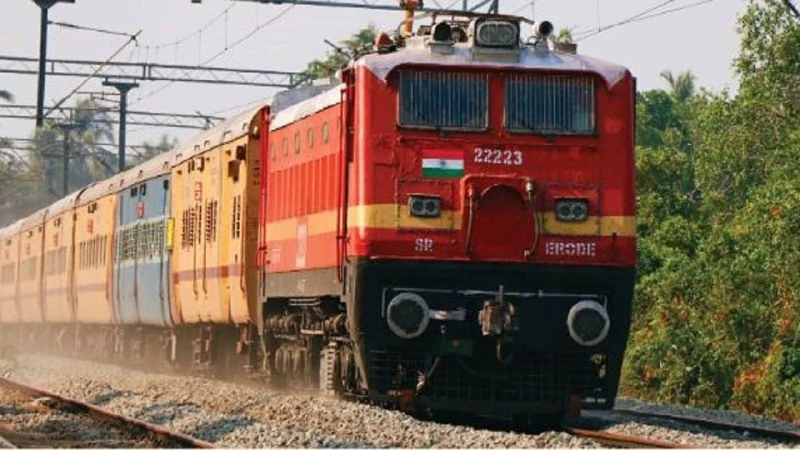

The Indian Railways has announced a significant upgrade for the Lal Kuan-Krantiveer Sangolli Rayanna (Bengaluru) route, transitioning the service from a special train to a regular express train. This development marks a major improvement in rail connectivity between the Bareilly region and Southern India, offering passengers more reliable travel options. Key highlights of this transition include:
- The service has been assigned new train numbers: 15202 (Lal Kuan to Bengaluru) and 15201 (Bengaluru to Lal Kuan).
- The transition to a regular service is expected to bring a 35 to 40 percent reduction in passenger fares.
- The train will continue to operate on its weekly schedule, which has been in place since January 2026.
- Formal commencement dates for the new regular service are expected to be finalized and announced by the authorities shortly.
Operational Details and Schedule
Since its inception in early 2026, the train has served as a vital link for travelers moving between Uttarakhand and Karnataka. Under the current schedule, the outbound train departs Lal Kuan on Saturdays at 17:45, completing its journey at KSR Bengaluru (SBC) at 15:25 on the third day. For the return journey, the train departs KSR Bengaluru on Tuesdays at 07:15, reaching Lal Kuan at 09:05.
Recent Operational Adjustments
In light of ongoing infrastructure developments, the South Western Railway recently implemented temporary route changes. Notably, train 05073, which departed Bengaluru on August 18, 2026, was diverted to accommodate electronic interlocking and track circuit works at Malur station. During this period, the train operated via an alternative route including Bengaluru Cantt, Yelahanka, Dharmavaram, Guntur, and Vijayawada.
As a result of this diversion, the service bypassed several scheduled stops, including Krishnarajapuram, Bangarpet, Kuppam, Jolarpettai, Katpadi, Renigunta, Gudur, Nellore, Ongole, and Tenali. Passengers are advised to keep a close watch on the official Indian Railways website or the NTES app for the latest updates regarding the formal transition date and any future schedule adjustments as the service shifts to its new regular status.