


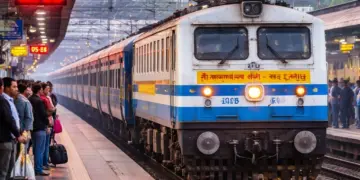




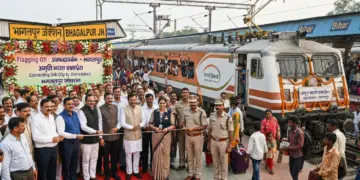
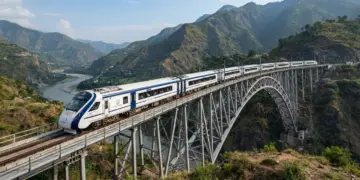
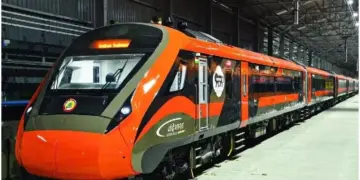
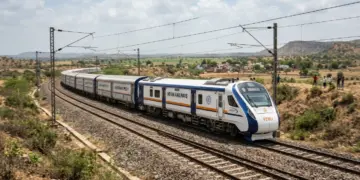
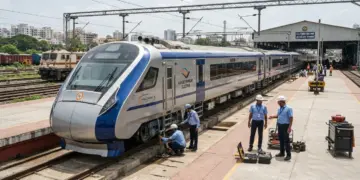
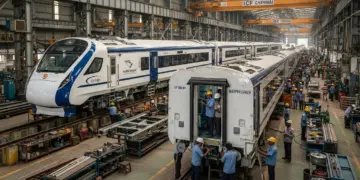
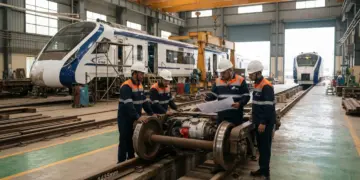

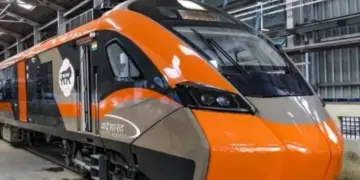
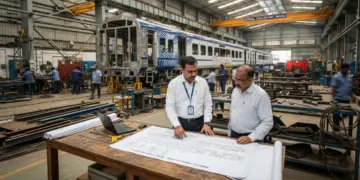




Prime Minister Narendra Modi launched a major transformation for Indian Railways on Friday, July 17, 2026, by virtually inaugurating 75 redeveloped stations under the Amrit Bharat Station Scheme. The event also marked a historic milestone in sustainable transport with the flagging off of the country’s first indigenously built hydrogen-powered train, the ‘NaMo Green Rail’.
Key highlights from the event include:
- 75 redeveloped stations inaugurated across 20 states.
- Jalandhar Cantt station redeveloped at a cost of ₹125 crore served as the event anchor.
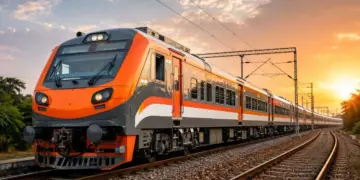
- NaMo Green Rail hydrogen train flagged off, operating between Jind and Sonipat.
- The hydrogen train reaches speeds up to 75 kmph and accommodates 2,600 passengers.
- New Daulatpur Chowk–Kartoli Punjab rail line dedicated to the nation.
A Leap Toward Sustainable Rail Travel
The introduction of the ‘NaMo Green Rail’ marks a significant shift toward green energy in the railway sector. Flagged off from Jind, Haryana, this train represents a major achievement in indigenous technology. To support this innovation, a dedicated hydrogen storage and refuelling facility has been established in Jind. This project underscores the government’s commitment to self-reliant India and eco-friendly transportation solutions.
Expanding the Amrit Bharat Station Scheme
The Amrit Bharat Station Scheme, which began in December 2022, continues to gain momentum with the goal of revamping 1,338 stations nationwide. The newly inaugurated stations, including SAS Nagar (Mohali), Sri Muktsar Sahib, Sri Anandpur Sahib, Hi-Tech City in Telangana, Modi Nagar in Delhi, Tikamgarh in Madhya Pradesh, and six stations in Kerala, now feature enhanced passenger amenities. These upgrades prioritize multimodal connectivity, wider circulation areas, lifts, escalators, and ‘One Station One Product’ kiosks to improve the daily experience for millions of commuters.
Indian Railways has set ambitious targets for this infrastructure drive, aiming to finish the redevelopment of 400 stations by the end of 2026 and reaching 700 stations by late 2027. By focusing on long-term master planning, the scheme ensures that railway hubs remain modern, accessible, and efficient for decades to come.