



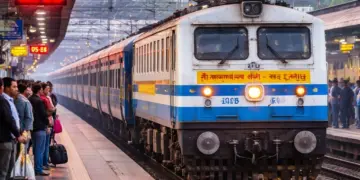





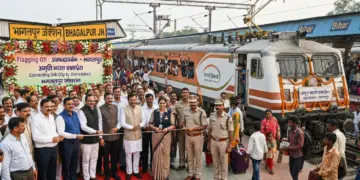
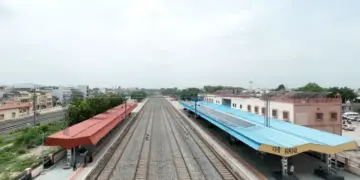
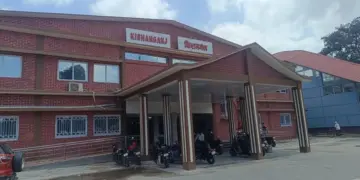



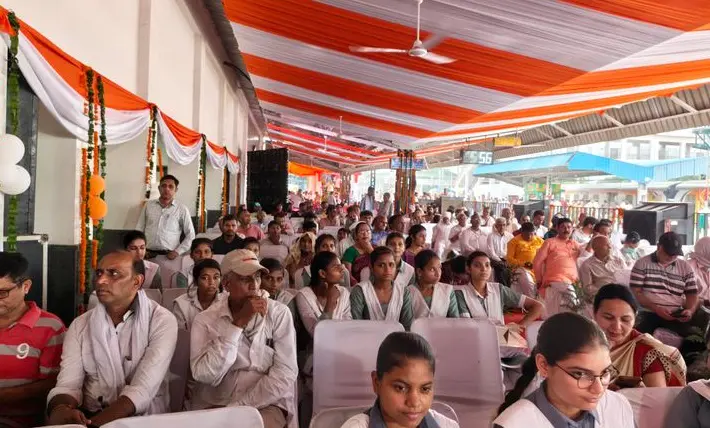

Prime Minister Narendra Modi virtually inaugurated the newly redeveloped Shamli Railway Station on July 17, 2026, marking a significant milestone under the ambitious Amrit Bharat Station Scheme. This project is part of a nationwide initiative to modernize over 1,338 railway stations, with this specific phase involving a massive investment of 1,570 crore rupees across 20 states.
Key highlights of the Shamli station redevelopment include:
- Total project cost: 24.95 crore rupees.
- Infrastructure upgrades: 12-meter wide Foot Over Bridge (FOB) and a new, modernized station building.
- Passenger amenities: Lifts, escalators, digital display boards, high-speed Wi-Fi, and improved waiting rooms.
- Accessibility: Dedicated features for persons with disabilities, including ramps, tactile pathways, and accessible toilets.
- Sustainability: The station now integrates green energy features to promote conservation.
Modernizing Infrastructure for Passengers
Following the foundation stone ceremony in August 2023, the redevelopment has been executed under the philosophy of “Virasat Bhi, Vikas Bhi”, which balances cultural heritage with modern infrastructure. For the daily commuters in Western Uttar Pradesh, the transformation offers much more than just a aesthetic upgrade. The inclusion of modern announcement systems, clean drinking water facilities, and structured parking areas is set to streamline station operations significantly.
Economic Impact and Future Outlook
Local residents and businesses have welcomed the development, noting that a modernized hub will likely boost regional economic activity. By enhancing connectivity and passenger safety, Shamli Railway Station is now positioned as a vital transit point in the Delhi Division. Railway officials expressed that these infrastructure improvements aim to provide a world-class travel experience that meets the growing demands of modern rail passengers. The inauguration event was held with a live broadcast of the Prime Minister’s address, reflecting the importance of this station as a key link in the regional railway network.