
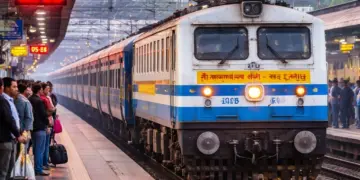











The ambitious 309-kilometer Manmad-Indore broad-gauge rail line is moving closer to reality as authorities expedite the critical process of forest land transfer across Maharashtra and Madhya Pradesh. This development is a major milestone for the project, which aims to bridge regional connectivity gaps and boost economic growth. With official proposals being processed rapidly, the project is set to clear one of its most significant administrative hurdles.
Key highlights of the project include:
• Total forest land required: 349.789 hectares across two states.
• Estimated project cost: ₹18,036 crore as approved by the Union Cabinet.
• Target completion date: 2031-32.
• Infrastructure scope: 30 new stations, 21 kilometers of tunnels, and major bridges over the Chambal and Narmada rivers.
• Strategic impact: Direct connectivity for 30 lakh people and major hubs like Pithampur and the Shri Mahakaleshwar Jyotirlinga Temple.
Breaking Down the Land Acquisition
The land transfer involves multiple districts to ensure a seamless rail corridor. In Maharashtra, the project requires 128.6620 hectares in Dhule and 13.8247 hectares in Nashik. Meanwhile, requirements in Madhya Pradesh span 76.4503 hectares in Dhar, 65.2110 hectares in Barwani, 31.0807 hectares in Khargone, and 14.6680 hectares in Indore. Manoj Marathe, representing the Manmad-Indore Rail Sangharsh Samiti, confirmed that the paperwork for these parcels is being fast-tracked to ensure construction stays on schedule.
Budget and Construction Progress
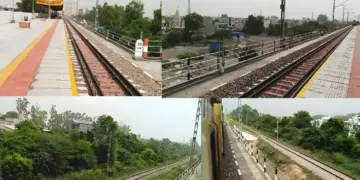
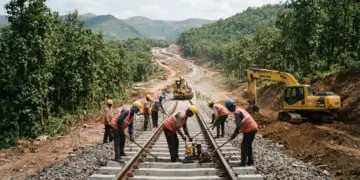
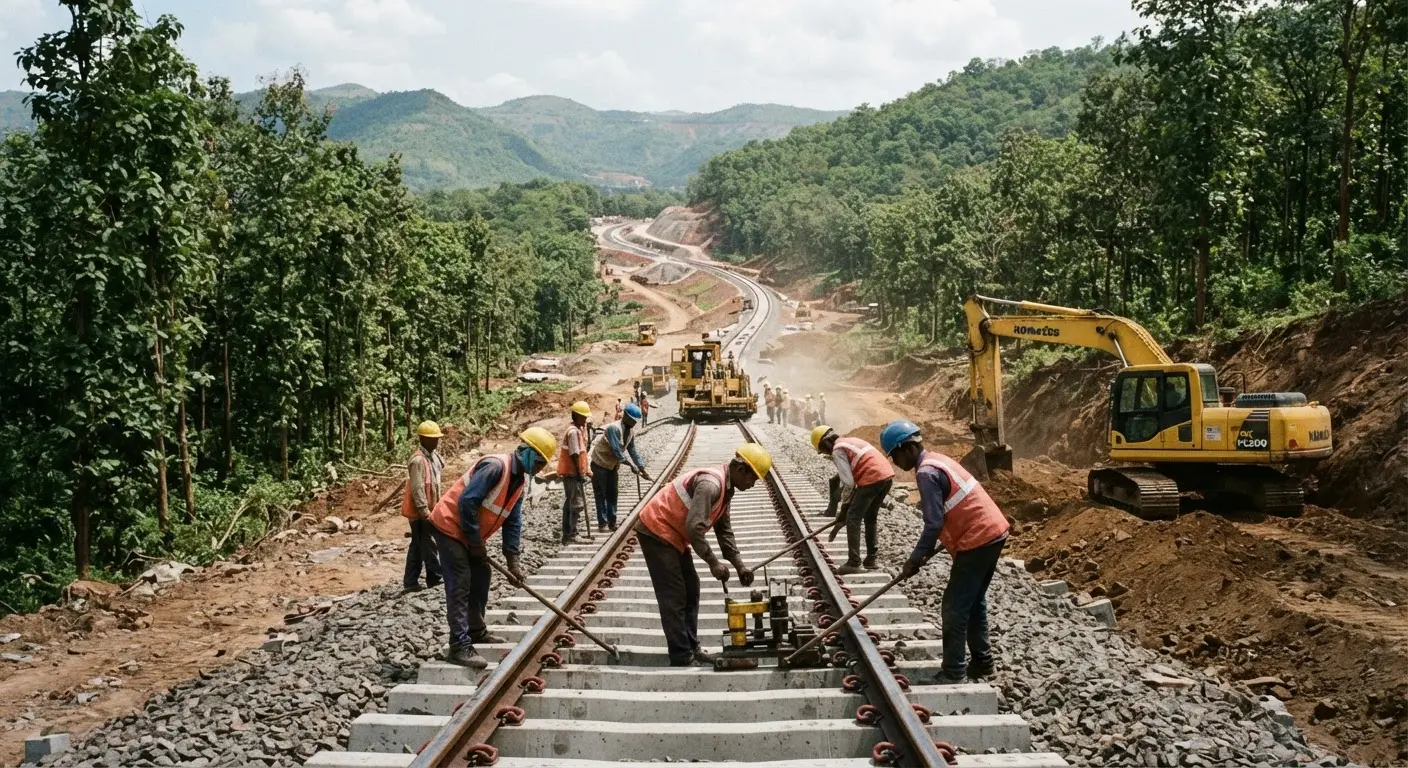
The government has shown a strong commitment to this project, allocating ₹622 crore for the current financial year, with a substantial ₹5,500 crore specifically earmarked for land acquisition. While the project is designed for high-speed transit with trains capable of reaching 160 kilometers per hour, work is already visible on the ground. Construction is currently underway on the New Dhule to Nardana section, and officials expect the Borvihir to New Dhule segment to be completed within this calendar year.
Once finished, this line will serve as a vital artery for trade and tourism, significantly reducing travel time between the two states and providing a modern, efficient alternative for thousands of villagers who currently lack adequate rail access.