












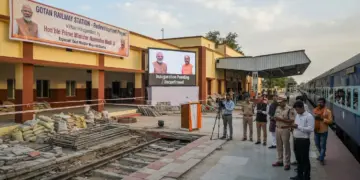




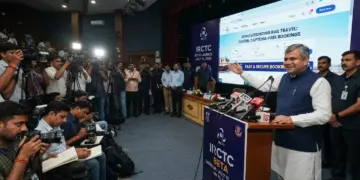


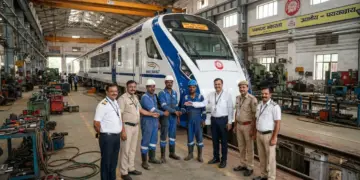










In a landmark development for the Indian Railways, the nation is preparing to flag off its first hydrogen-powered train tomorrow. The inaugural run will take place on the route connecting Jind and Sonipat, marking a pivotal moment in the country’s transition toward sustainable and green transportation. By introducing this clean technology, India joins an elite group of nations globally that are successfully operating hydrogen-fuelled rail services.
- First Hydrogen Train Launch: Inaugural service between Jind and Sonipat.
- Infrastructure Boost: New road and rail projects for Delhi-Amritsar, Ambala-Kala Amb, and Jind-Gohana routes.
- Public Welfare: Dedication of new medical colleges in Bhiwani and Narnaul.
- Cultural Milestone: Foundation stone laying for a new Sikh Museum in Kurukshetra.
A Leap Towards Green Mobility
The introduction of the hydrogen train is a significant step in the Indian Railways’ commitment to reducing its carbon footprint. Hydrogen fuel cells offer a clean alternative to traditional diesel engines, emitting only water vapour and significantly lowering noise pollution. This project is expected to serve as a pilot for larger-scale adoption of zero-emission trains across the country’s vast railway network, aligning with India’s long-term sustainability goals.
Major Infrastructure and Development Projects
Beyond the hydrogen train, a series of infrastructure initiatives will be inaugurated to bolster connectivity across the region. These projects include critical upgrades to the Delhi-Amritsar, Ambala-Kala Amb, and Jind-Gohana routes, which are expected to improve travel efficiency and support local logistics. Furthermore, the healthcare sector will see a boost with the dedication of new medical colleges in Bhiwani and Narnaul, aimed at strengthening regional health infrastructure.
Cultural Heritage Preservation
Adding a cultural dimension to these developments, the foundation stone for a new Sikh Museum will be laid in Kurukshetra. This museum is envisioned as a centre to highlight the history of Sikhism, the teachings of the Sikh Gurus, and the community’s immense contributions to the nation. This multifaceted approach underscores a balanced focus on technological progress, regional development, and the preservation of India’s rich heritage.