
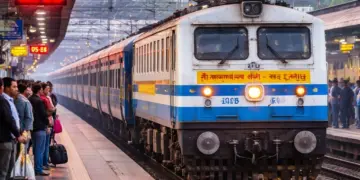

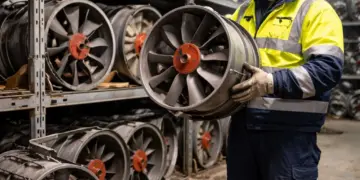

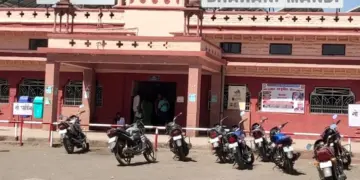
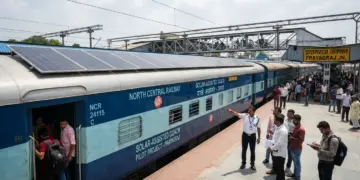
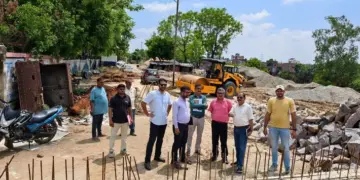

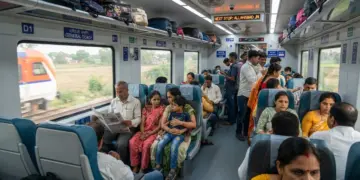
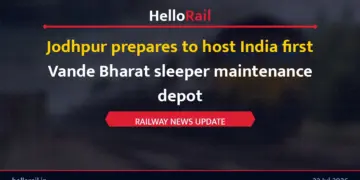
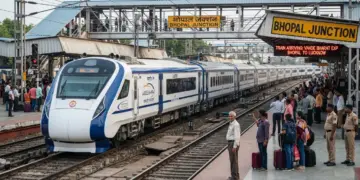
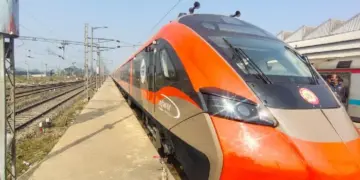
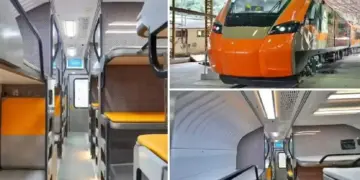
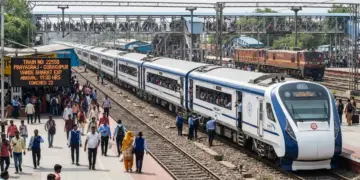
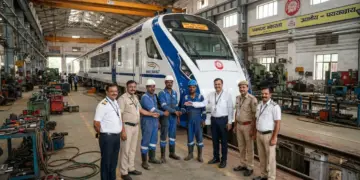



Jodhpur is rapidly emerging as a central hub for India’s premium rail infrastructure, with the construction of the nation’s first dedicated maintenance depot for Vande Bharat Sleeper trainsets now 80% complete. Located at the Bhagat Ki Kothi Railway Station, this state-of-the-art facility is designed to ensure the high reliability and efficient turnaround of the upcoming sleeper fleet. Key highlights of the project include:
- Total project cost: Approximately ₹360 crore.
- Phase 1 completion target: June 2026, with a budget of ₹167 crore.
- Phase 2 completion target: June 2027, with a budget of ₹195 crore.
- Initial capacity: Capability to maintain three trains simultaneously.
- Ultimate capacity: Eight to nine trains daily once fully operational.
Modern Infrastructure and Technology
The facility is being developed by the North Western Railway (NWR) in collaboration with Railway Vikas Nigam Limited (RVNL) and Kinet Railway Solution. The depot will be equipped with a 600-meter maintenance line capable of accommodating a 24-coach Vande Bharat Sleeper rake. It will also feature advanced inspection pits, lifting arrangements, and automated washing lines. According to Major Amit Swamy, Senior Divisional Mechanical Engineer, NWR, these upgrades are vital because the Vande Bharat fleet requires mandatory maintenance every four days or after every 3,500 km of travel.
Phase 2 of the project will introduce specialized simulator rooms and dedicated training spaces to help staff manage the train’s high-tech equipment. Beyond Jodhpur, Indian Railways is also establishing similar maintenance hubs in Bijwasan (Delhi), Thanisandra (Bengaluru), Anand Vihar (Delhi), and Wadi Bandar (Mumbai) to support the nationwide rollout of these trains.
Addressing Rollout Challenges
Despite the fast-paced construction of maintenance facilities, the broader introduction of 120 Vande Bharat sleeper trains has faced significant hurdles. The project is currently experiencing a delay of over two years, with the prototype delivery now pushed to late 2026. This setback is primarily attributed to challenges in securing final design approvals from a German consultant. The delay has prompted Indian Railways to evaluate in-house manufacturing options to reduce dependency on external partners and keep the ambitious project timeline on track.