
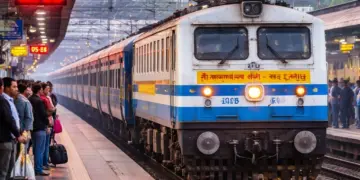




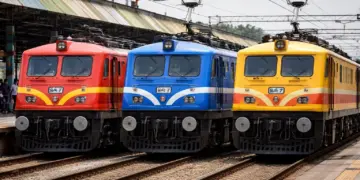





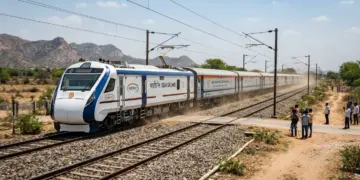
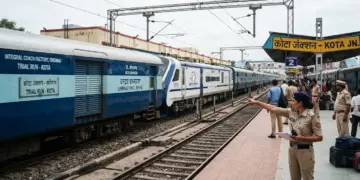


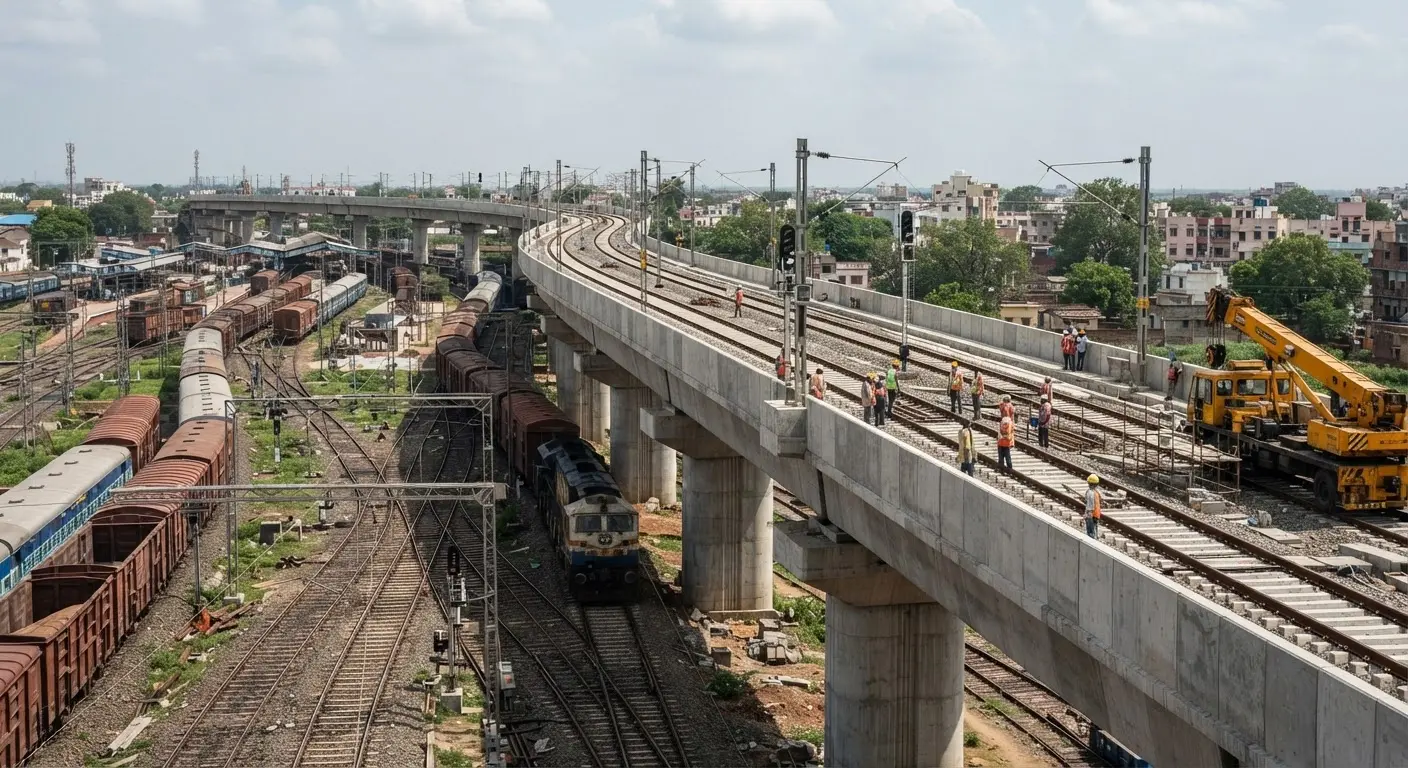

The Indian Railways is on the verge of completing a transformative infrastructure project in Madhya Pradesh that promises to reshape rail operations in the region. The Katni rail grade separator, a massive undertaking valued at approximately 1,800 crore rupees, is designed to eliminate bottlenecks at one of the busiest railway hubs in the country. By allowing trains to bypass congested yards, the project aims to drastically improve both passenger and freight transit times.
Key highlights of the Katni rail grade separator project include:
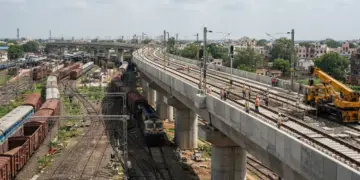
- The total project spans 33.40 kilometers, featuring India’s longest railway viaduct.
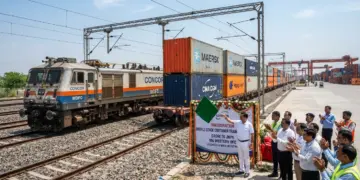
- The 15.85-kilometer up track has been operational since August 2025, handling over 20 freight trains daily.
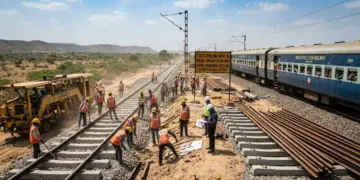
- Construction of the 17.52-kilometer down track is in the final stages, with completion expected by November 2026.
- The project operates under the Prime Minister Gati Shakti Yojana to enhance regional connectivity.
Revolutionizing Traffic Flow
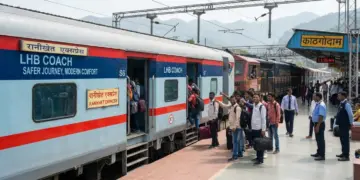
Designed to streamline movement, this grade separator provides a direct bypass for trains coming from the Bilaspur and Singrauli directions. Instead of navigating through the heavily congested Katni Junction, New Katni Junction, and Katni Murwara yards, trains can now head directly toward the Bina-Damoh-Sagar section. This shift is expected to significantly reduce delays and improve the punctuality of both express passenger trains and heavy freight traffic.
Progress and Oversight
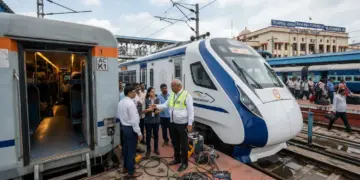
West Central Railway (WCR) officials have been working tirelessly to overcome previous technical and construction hurdles. General Manager Shobhana Bandopadhyay has been personally monitoring the project’s progress to ensure the infrastructure meets the highest safety standards. With successful speed tests and inspections already conducted by the Commissioner of Railway Safety (CRS), the railway is confident that the remaining work will reach full operational status by the end of 2026. This project stands as a testament to the ongoing efforts of Indian Railways to modernize its network, reduce operational burden, and cater to the growing demands of India’s logistics and passenger sectors.