















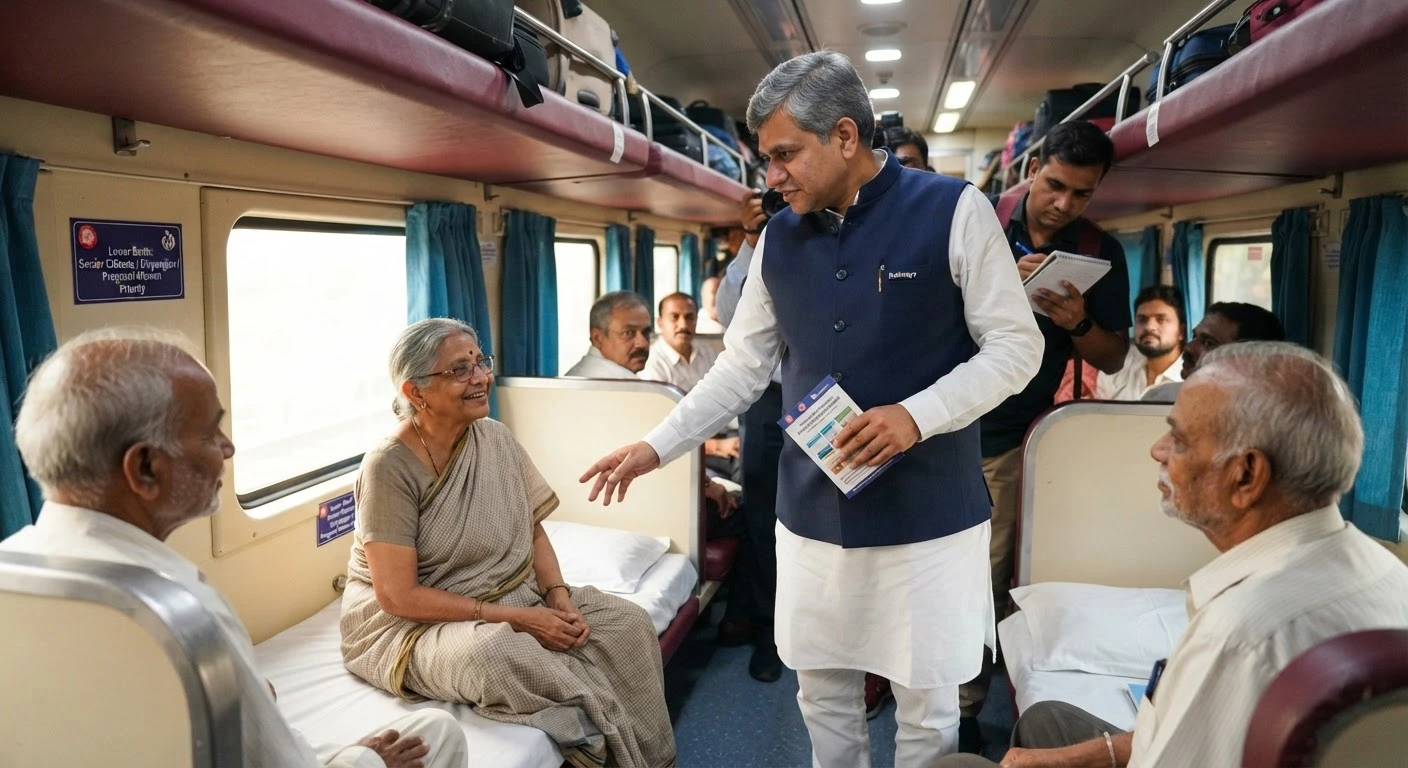

Union Minister of Railways Ashwini Vaishnaw has issued a formal clarification in Parliament regarding the allocation of lower berths across the Indian Railways network. The policy is designed to ensure that senior citizens, women, pregnant women, and persons with disabilities (PwD) receive priority access to lower berths to enhance their comfort and overall travel experience. These guidelines are strictly followed by the national transporter to maintain accessibility standards across all train categories.
Key details of the lower berth allocation policy include:
- Senior citizens (men aged 60+ and women aged 45+) and pregnant women are automatically prioritized for lower berths, subject to availability.
- Sleeper coaches reserve six to seven lower berths, while 3AC/3E coaches allocate four to five and 2AC coaches provide three to four.
- Dedicated quotas exist for PwD passengers and their attendants in Mail/Express, Rajdhani, and Shatabdi trains.
- If lower berths remain vacant after chart preparation, TTEs are instructed to prioritize those passengers with mobility challenges.
Understanding the Reservation Quotas
Indian Railways maintains specific quotas to ensure that vulnerable passengers are not inconvenienced during their journeys. For persons with disabilities, the system earmarks four berths (including two lower berths) in both Sleeper and 3AC/3E classes. Furthermore, in Reserved Second Sitting (2S) and Air-Conditioned Chair Car (CC) coaches, four seats are specifically reserved for PwD passengers and their companions.
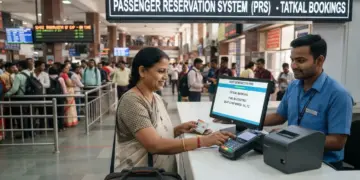
It is important to note that even if a passenger does not specifically select a lower berth preference during the booking process, the system is programmed to prioritize these groups automatically based on the age and category data provided at the time of reservation.
On-Board Assistance and Future Infrastructure
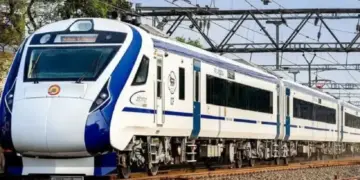
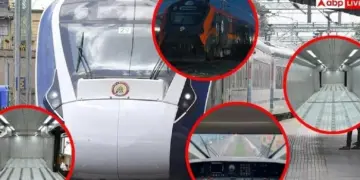
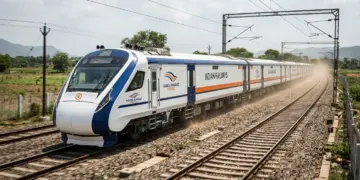
Beyond the initial booking, the Railway Ministry emphasizes that if lower berths become vacant during the journey, onboard staff are expected to facilitate shifts for senior citizens, PwD, and pregnant women who may have been originally assigned middle or upper berths. This commitment to passenger-centric design is also a core feature of the modern fleet, including the Vande Bharat and Amrit Bharat trains, which feature enhanced accessibility and ergonomic seating arrangements. By reiterating these rules, the Ministry aims to ensure a more inclusive and comfortable rail network for all citizens.