


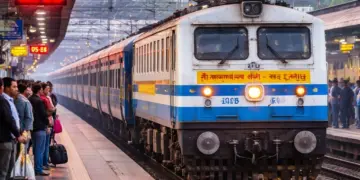


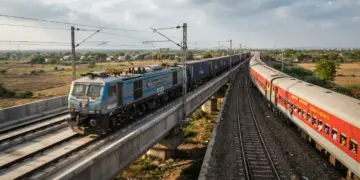
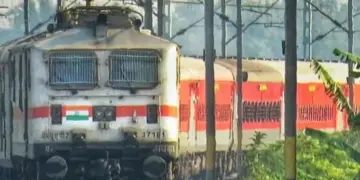




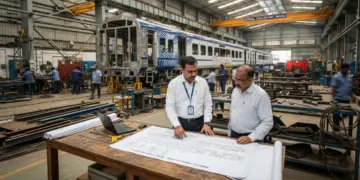


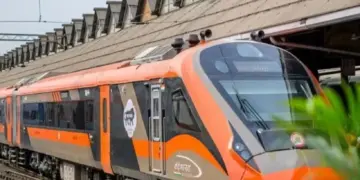
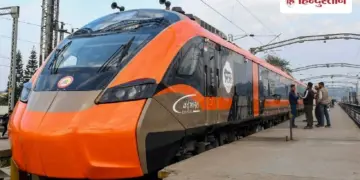
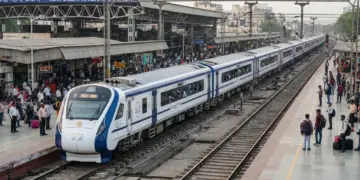



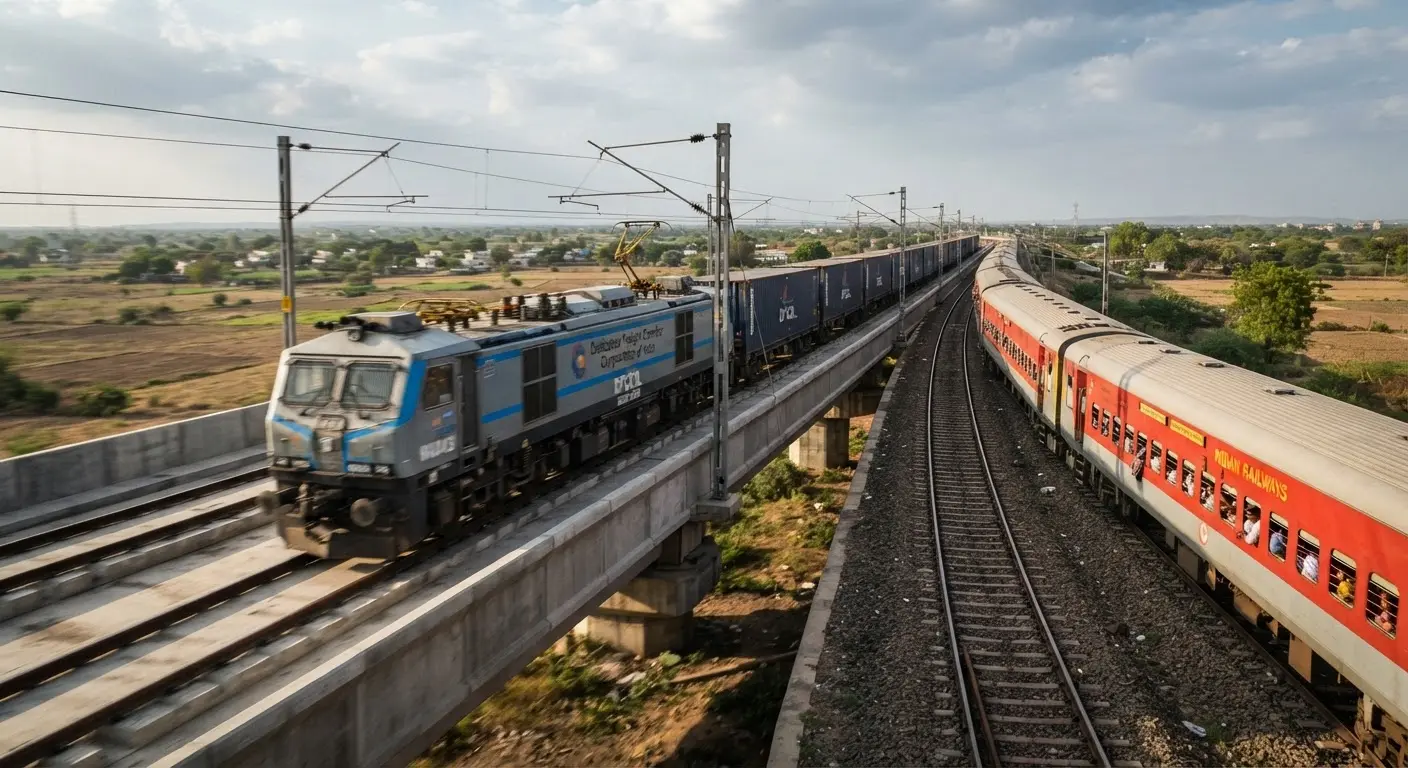

Freight trains operating on India’s Dedicated Freight Corridors (DFCs) have undergone a massive transformation, now achieving operational speeds that frequently surpass those of conventional passenger trains. By moving cargo onto these specialized tracks, the Dedicated Freight Corridor Corporation of India Limited (DFCCIL) has successfully decoupled freight movement from passenger traffic, leading to significant efficiency gains across the rail network.
Key highlights of the DFC performance include:
- Average freight speeds have surged from 20-25 kmph on legacy lines to 60-100 kmph on DFC tracks.
- Transit times for key routes like Mumbai-Delhi have been slashed by 40 to 50 percent, now taking under 48 hours.
- A new rapid cargo service between New Dadri and New Ancheli covers 1,200 km in approximately 23 hours.
- Average daily freight train operations increased from 4,968 in 2021-22 to 6,789 in 2024-25.
Efficiency and Infrastructure Growth
Historically, freight trains struggled with low average speeds due to the need to prioritize passenger services. However, the DFC infrastructure has changed the landscape. In December 2019, the Eastern Dedicated Freight Corridor (EDFC) recorded an average speed of 99.38 kmph, while the Western Dedicated Freight Corridor (WDFC) clocked 89.50 kmph. Currently, daily operations see between 150 and 200 trains maintaining speeds between 75 and 80 kmph, with many reaching peak speeds of 99 kmph.
On March 2026, DFCCIL achieved a major technical milestone by operating its first 25-tonne axle load train at 100 kmph. With the EDFC now fully operational and the WDFC at 85 percent functionality, the network is becoming a backbone for Indian logistics.
New Rapid Cargo Services
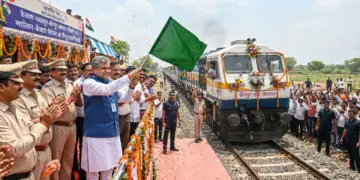
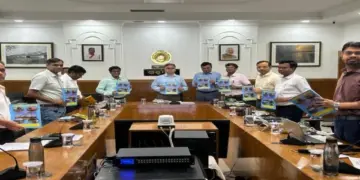
Building on this infrastructure, a new rapid cargo parcel service was flagged off on August 18, 2026, by Dr. Manoj Singh, Member (Operations and Business Development) of the Railway Board. This service connects New Dadri (Uttar Pradesh) to New Ancheli (Gujarat), covering the 1,200 km distance in just 23 hours. This service is projected to generate ₹21 lakh per round trip, with an annual revenue potential of ₹76 crore. Traders can book parcel space via the Virtual Aggregation Platform (VAP) on the Freight Business Development (FBD) portal up to 180 days in advance.
While the growth is impressive, the Parliamentary Standing Committee noted on August 14, 2026, that the Railway Ministry must focus on zone-wise growth plans and resolve crew shortages to ensure this momentum continues for the long term.