



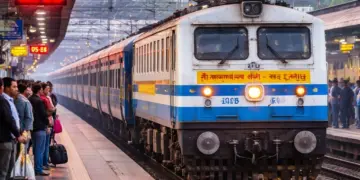

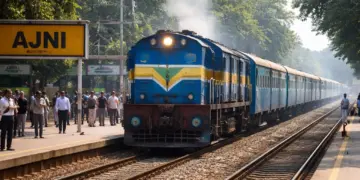





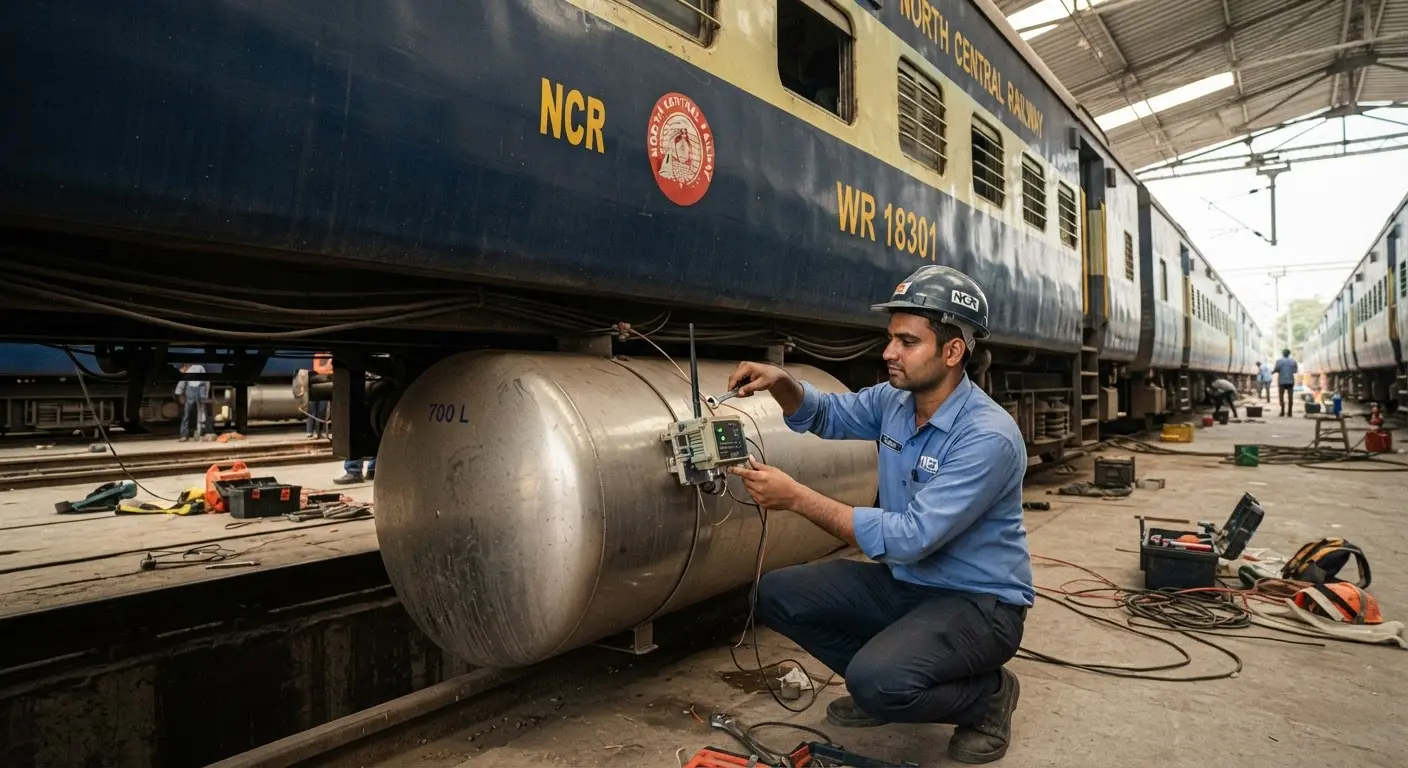

Indian Railways is set to significantly improve passenger convenience by installing IoT-based water level sensors across **1,471 coaches** within the North Central Railway (NCR) zone. This initiative replaces traditional, manual water-checking methods with an automated, real-time monitoring system designed to prevent mid-journey water shortages. By integrating smart technology into its infrastructure, the national transporter aims to ensure a seamless travel experience for passengers.
Key highlights of the initiative include:
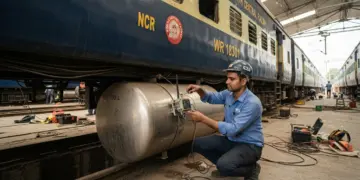
• Deployment of smart sensors in **1,471 NCR coaches** to track water levels in underslung tanks.
• Utilization of ultrasonic or float sensors connected to microcontrollers for precise data collection.
• Real-time data transmission to cloud platforms, enabling ground staff to schedule timely refilling.
• Installation of both internal and external display units for better monitoring by passengers and staff.
How the Smart Coach Technology Works
These advanced systems operate by using sensors that detect low, medium, and high water levels. This data is transmitted instantly to railway officials, allowing them to monitor water availability across the train’s journey. By moving to this data-driven management, the railway aims to eliminate the common frustration of empty taps in washrooms. This project follows successful pilot runs, such as the one launched on the **Brahmaputra Mail Express in August 2024**, which utilized hydrostatic pressure sensors with LoRa and GPRS-based communication to maintain high service standards.
Nationwide Water Infrastructure Overhaul
This coach-level upgrade is part of a larger, nationwide effort to modernize water management across the Indian Railways network. Following a recent audit by the **Comptroller and Auditor General (CAG)** regarding water quality, Railway Minister Ashwini Vaishnaw has prioritized the implementation of **’Tank to Tap’ water filtration systems**. These systems are planned for approximately **20,000 locations** across the network. The Railway Board is maintaining direct oversight of these projects, ensuring that regular progress reports are published to maintain transparency and service quality. As Dilip Kumar Jain from the Centre for Railway Information Systems (CRIS) noted in October 2024, these IoT initiatives are a critical step in mitigating passenger complaints and modernizing the overall rail ecosystem.