


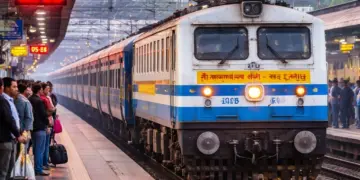
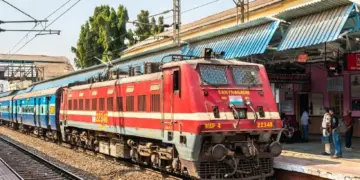
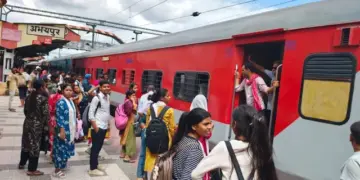
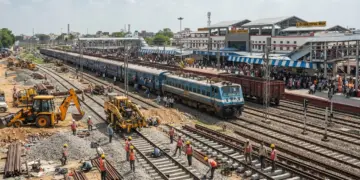

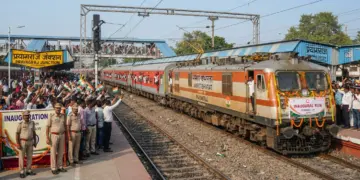
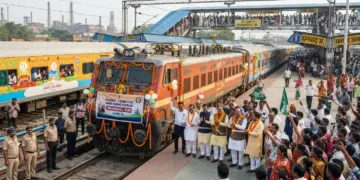
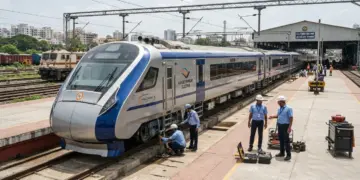




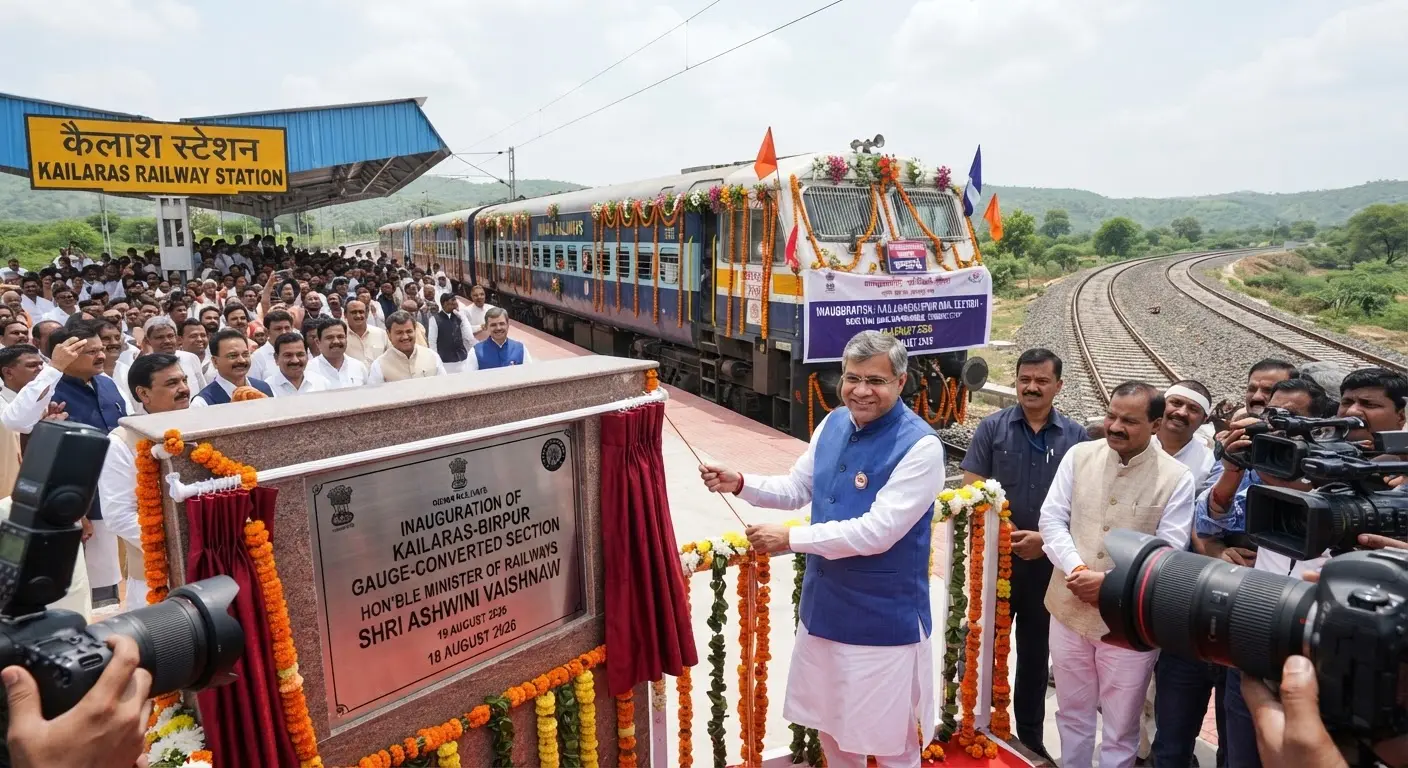

On Tuesday, August 18, 2026, Indian Railways reached a significant milestone by inaugurating the **56-km Kailaras-Sabalgarh-Birpur gauge-converted rail section**. Union Railway Minister Ashwini Vaishnaw presided over the virtual ceremony, which officially extended the existing Gwalior-Kailaras train service to reach the town of Birpur. This project is a core component of the ongoing Gwalior-Sheopur Kalan railway corridor transformation, aimed at bringing the historically remote Gwalior-Chambal region into the national mainstream rail network.
- Strategic Expansion: The 56-km stretch was completed in phases, with the 29-km Kailaras-Sabalgarh section opening in 2025 and the 27-km Sabalgarh-Birpur segment commissioned this week.
- Regional Impact: The new rail link will provide immediate accessibility to over 100 villages across Morena and Sheopur districts, improving local access to healthcare, education, and jobs.
- Massive Investment: Railway projects in Madhya Pradesh are currently valued at ₹1.55 lakh crore, with the state’s annual budget allocation rising from ₹632 crore (2009-14) to ₹15,188 crore in 2026-27.
A New Economic Corridor for Madhya Pradesh
Union Minister Jyotiraditya M. Scindia hailed the extension as a historic milestone, positioning the rail line as the foundation for a new industrial and economic corridor. Madhya Pradesh Chief Minister Mohan Yadav emphasized that the improved connectivity between the Gwalior-Chambal region and the Malwa belt will act as a catalyst for regional tourism and industrial growth, significantly boosting future freight and passenger revenue for Indian Railways.
Future Connectivity and Full Project Completion
The project is currently moving toward its final stages. Construction is in advanced progress for the remaining 37-km Birpur-Seroni Road and 33-km Seroni Road-Sheopur Kalan sections. Once fully operational, the 117-km Birlanagar-Birpur corridor is planned for future integration with Kota. This long-term connectivity will provide a direct link between the Gwalior-Chambal region and major national educational and industrial hubs, promising to enhance both infrastructure utilization and operational efficiency for the national transporter.