


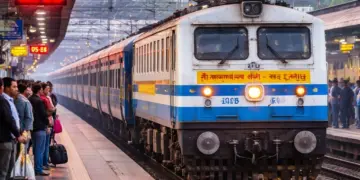

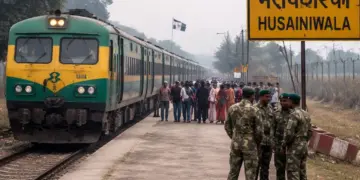
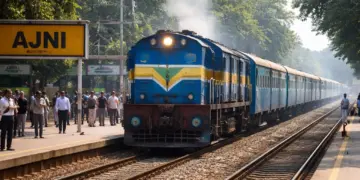
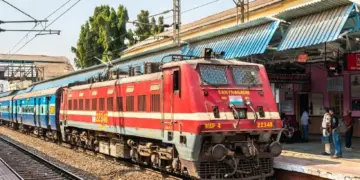


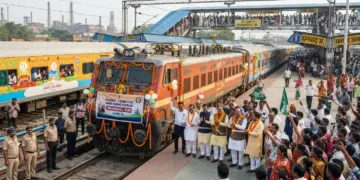
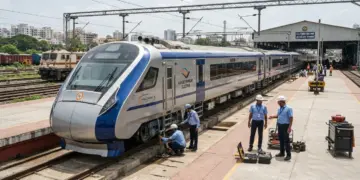
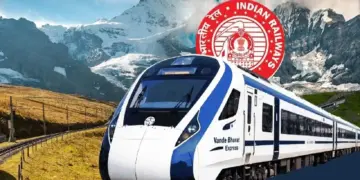
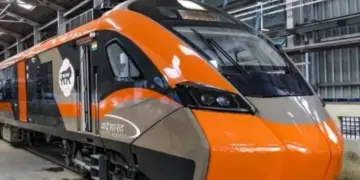

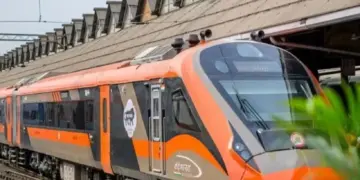


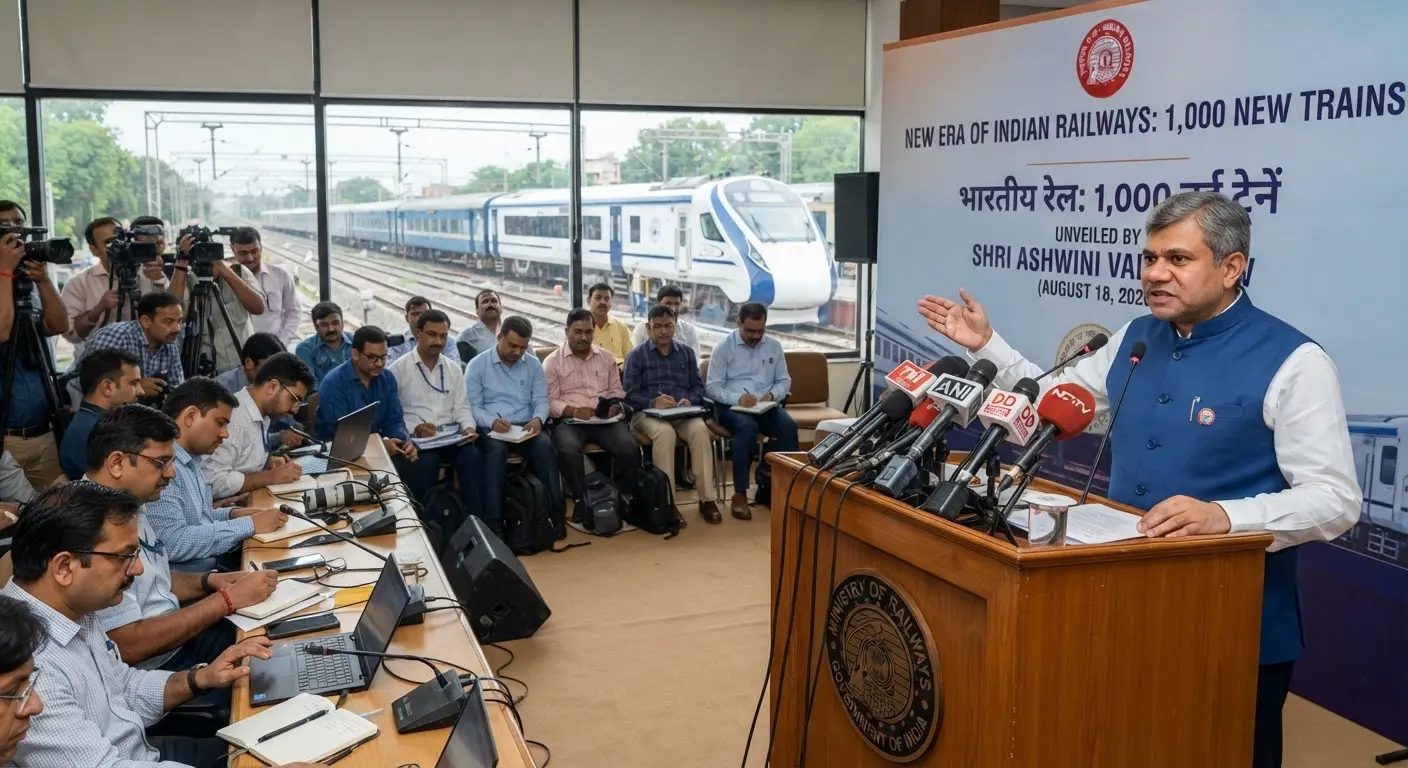

Indian Railways is gearing up for a major capacity expansion, with Railway Minister Ashwini Vaishnaw announcing a roadmap to introduce **1,000 new trains over the next five years**. This ambitious plan, unveiled on August 18, 2026, aims to tackle rising passenger demand, lower operational costs, and elevate the overall travel experience across the national network.
Key highlights of the expansion plan include:
- Introduction of 1,000 new trains by 2031.
- Sanctioning of 238 new AC local trains for Mumbai, with the first rake arriving by 2027.
- A massive jump in annual railway investment from ₹25,000 crore to ₹2.52 lakh crore, plus ₹20,000 crore via PPP models.
- Ongoing infrastructure milestones, including the upcoming Mumbai-Ahmedabad Bullet Train trials in 2026.
A Legacy of Rapid Growth
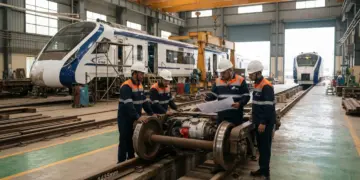
Since the post-COVID era, Indian Railways has already added **1,024 new trains** and integrated **4,651 new coaches** into its fleet. The scale of infrastructure development is equally impressive, with **35,000 km of new tracks** laid over the last 11 years—a distance comparable to the entire German railway network. Currently, India’s production units are powerhouses, manufacturing **30,000 wagons and 1,500 locomotives annually**, outpacing the combined production capacity of North America and Europe.
Focus on Modernization and Tech
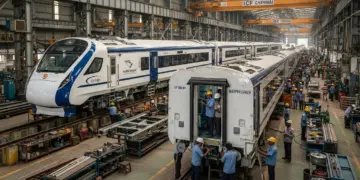
Production hubs like the **Integral Coach Factory (ICF) in Chennai**, **Rail Coach Factory (RCF) in Kapurthala**, and **Modern Coach Factory (MCF) in Raebareli** are central to this transformation. Beyond rolling stock, the government is prioritizing connectivity, with the **Gwalior-Sheopur Kalan line** expected to open for public use in the coming months.
To ensure the network remains future-ready, the Ministry has launched two new initiatives under the ‘52 reforms in 52 weeks’ program: the **Rail Tech Policy and Rail Tech Portal** to drive innovation, and the **e-Railway Claims Tribunal** to make grievance redressal citizen-centric and efficient. With the Mumbai-Ahmedabad Bullet Train targeting commercial operations by 2027, the Indian railway system is firmly on track to become a global leader in modern, sustainable, and high-speed transit.