


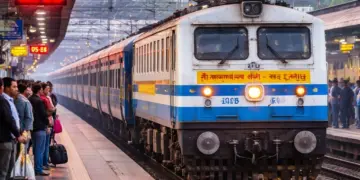



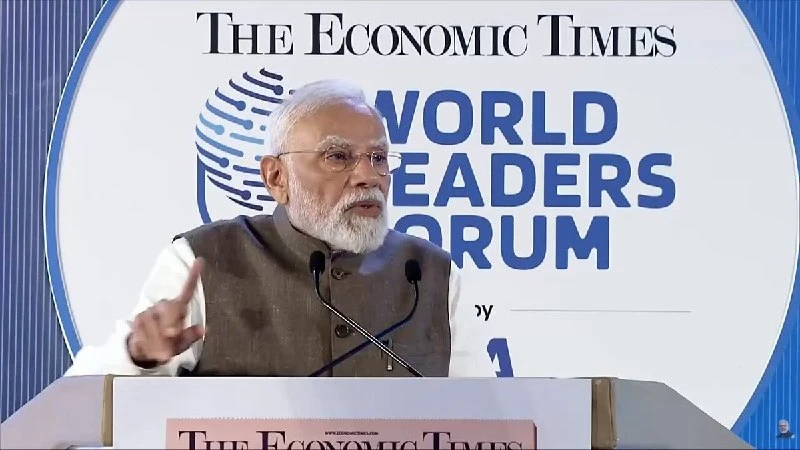

Prime Minister Narendra Modi recently highlighted major advancements in railway safety during his address at the Economic Times World Leaders Forum on August 21, 2026. He noted that modern technological upgrades are transforming train operations across the country. Key highlights from the official announcements include electronic interlocking now covering over 6,500 railway stations, more than 10,000 level crossing gates integrated with interlocking to minimize human error, and the complete elimination of approximately 9,000 unmanned level crossings resulting in a sharp decline in train accidents. Official data from the Ministry of Railways as of June 30, 2026 confirms that 6,671 stations are equipped with centralized electrical or electronic interlocking systems and 10,395 level crossings are secured under these advanced setups.
Recent Infrastructure Contracts and Station Upgrades
To further accelerate this safety mission, infrastructure developments are moving rapidly across various regional railway zones. E2E Transportation Infrastructure Limited secured a work contract worth 26.37 crore rupees from North Eastern Railway on August 21, 2026. This project covers the installation and commissioning of electronic interlocking systems at Bansgaon, Piprauli, Khajni, and Unwal stations. All electronic interlocking systems utilized in these modern upgrades strictly conform to the RDSO/SPN/192/2019 standards to guarantee top-tier safety and reliability.
Impact on Train Services Due to Non-Interlocking Work
While infrastructural upgrades pave the way for safer journeys, they also require temporary traffic blocks for seamless integration. Western Railway initiated a non-interlocking block at Valsad station from August 21 to August 23, 2026, specifically to facilitate the commissioning of new electronic interlocking infrastructure. Consequently, this essential operational work has led to the cancellation, diversion, or short-termination of several train services effective August 21, 2026. Passengers planning journeys through these affected routes are strongly advised to check their updated train schedules with IRCTC before heading to the station.