
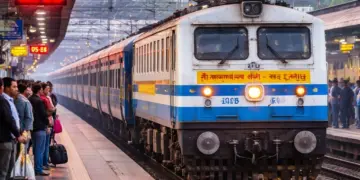


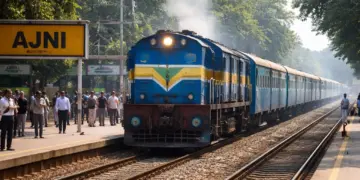


















Booking a confirmed train ticket is often a challenge for passengers, especially during festivals like Diwali and Chhath or summer vacations. To manage the rush, Indian Railways issues different types of waiting lists. Understanding these categories helps passengers know their chances of getting a confirmed seat before the journey.
What is the difference between GNWL and PQWL?
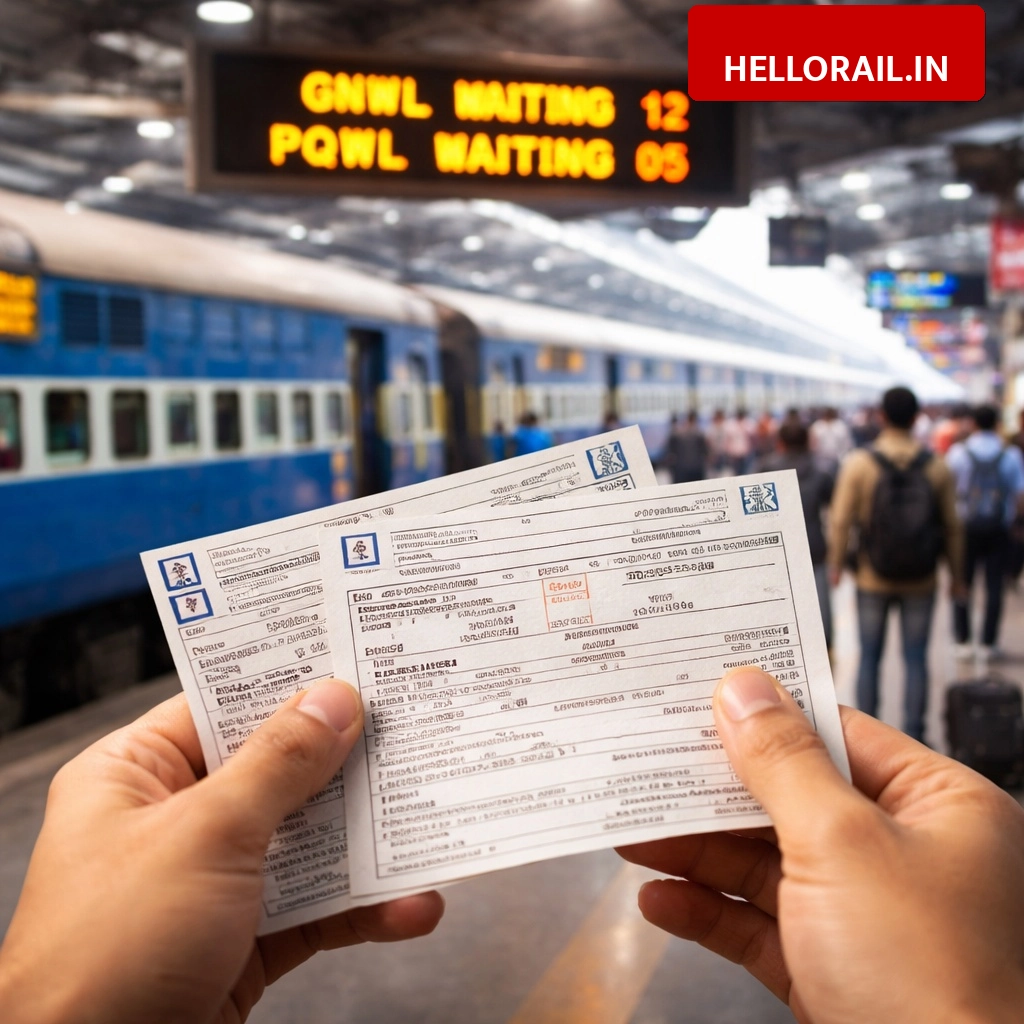
The railway uses different quotas to manage bookings. GNWL (General Waiting List) is issued when tickets are booked from the starting station or nearby major stations. It has the highest priority and the best chance of confirmation because most cancellations happen in this quota. PQWL (Pooled Quota Waiting List) is for passengers booking between two intermediate stations or from the start to an intermediate station. This quota has limited seats, making the confirmation chance lower compared to GNWL.
Which waiting list confirms first?
Among all waiting lists, GNWL tickets are prioritized and confirm first. PQWL has a lower probability of confirmation. Other lists like RLWL (Remote Location Waiting List) and TQWL (Tatkal Waiting List) generally have even lower chances, with TQWL being the least likely to confirm.
What are the new official railway rules?
The Ministry of Railways has introduced several updates to improve travel and booking security:
- Travel Restrictions: From May 1, 2025, passengers with waiting tickets that do not confirm after chart preparation will not be allowed in reserved coaches (Sleeper and AC). They can only travel in general coaches, or they will face a penalty.
- Waiting Limit Increase: Effective June 30, 2025, the waiting list limit for AC classes is increased from 25% to 60%, and for non-AC classes, it is set at 30%.
- Booking Security: IRCTC now requires OTP verification of mobile numbers to stop the misuse of booking facilities by agents.
- Reservation Window: The advance reservation period is reduced from 120 days to 90 days.