
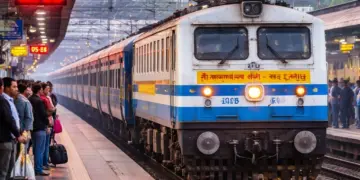





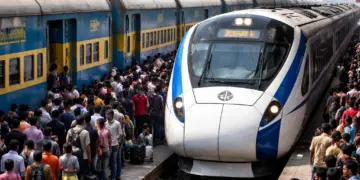



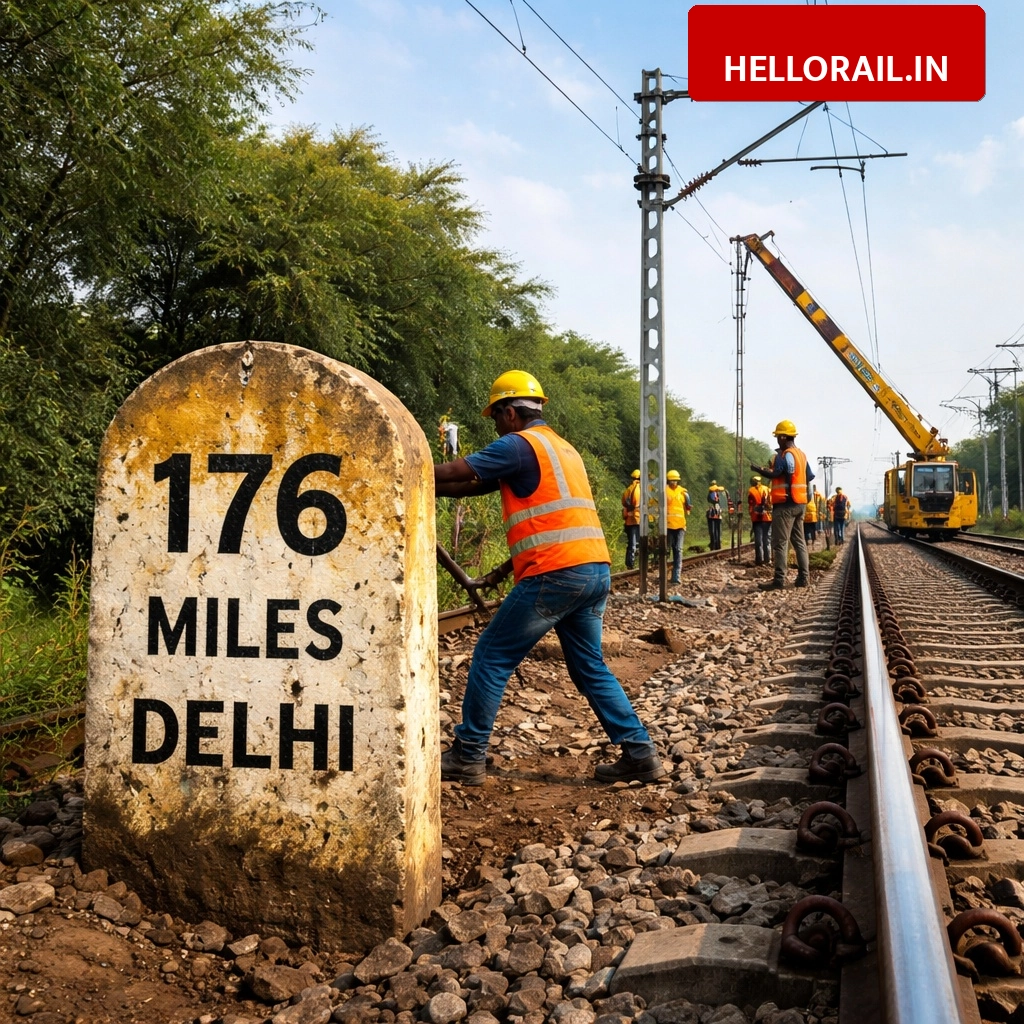

Indian Railways is moving away from the old stone mile markers used since the British era. The Railway Board has directed the implementation of a modern system where location details will be marked on Overhead Equipment (OHE) poles. This change aims to modernize the network and remove colonial-era identifiers from the tracks.
What is the OHE pole system and how does it work?
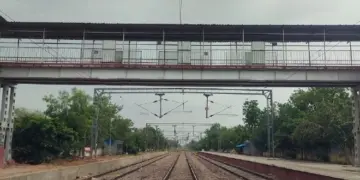
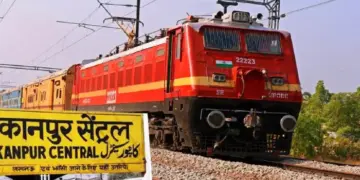
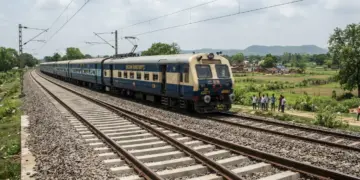
OHE poles are the structures that support the electric power lines above the railway tracks. Instead of looking for stones on the ground, staff will now use retro-reflective plates fixed on these poles. These plates glow at night or during bad weather, making it easier for railway staff to identify their exact location on the track.
Who will benefit from this new location system?
This update is designed to help the ground staff and train operators. The primary beneficiaries include:
- Loco Pilots: For better visibility of location markers.
- Train Managers: For accurate reporting of train positions.
- Trackmen: For easier identification of spots during patrolling.
- Maintenance Teams: For faster access to specific track sections.
What are the main advantages of this change?
| Feature | Benefit |
|---|---|
| Location Tracing | Instant and precise identification |
| Maintenance | Easier to pinpoint track repair areas |
| Emergency Response | Faster reaction time during accidents or breakdowns |
| Safety | Reduced errors in location reporting |
| Efficiency | Significant saving of time for operational staff |
Frequently Asked Questions (FAQs)
What are OHE poles in Indian Railways?
OHE stands for Overhead Electric Equipment. These are the poles that support the electricity wires providing power to electric trains.
Why is Indian Railways removing the old mile stones?
The move is part of a modernization drive to replace colonial-era markers with a digital and precise system that improves safety and emergency response.