






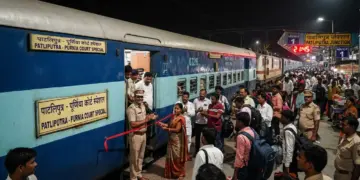


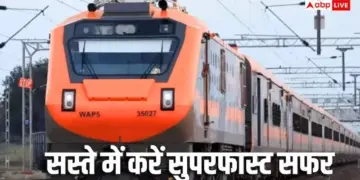
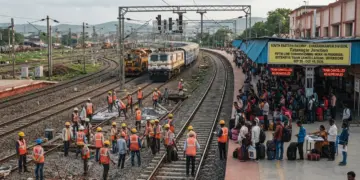
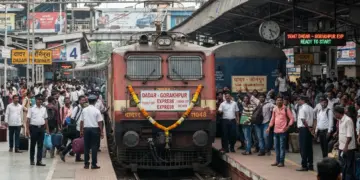


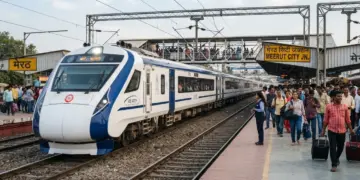




In a major strategic move to boost operational efficiency and punctuality, Indian Railways has announced plans to phase out over 300 experimental halts for long-distance and premium trains. This initiative aims to streamline main-line traffic, with the entire transition scheduled for full implementation by October 2026.
Key highlights of the announcement include:
- Elimination of over 300 experimental halts that failed to meet commercial benchmarks.
- Reduction in travel time by 15 to 45 minutes per journey.
- Significant cost savings, including 300-350 units of electricity or 20-25 liters of diesel per eliminated halt.
- Targeted impact on 12 premium trains from Delhi and three key Vande Bharat routes.
Data-Driven Decision Making
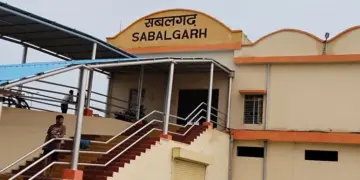
This decision follows a thorough review of halts that were introduced on an experimental six-month basis between 2021 and 2025 following requests from local representatives and public demand. However, a recent evaluation using the Railway Board’s zero-commercial-stoppage framework and data from the Integrated Coaching Management System (ICMS) revealed that these stops failed to meet the minimum threshold of 15 tickets sold per train per day. By removing these commercially unviable stops, the railways aim to optimize route performance and reduce unnecessary operational costs.
Impact on Premium Trains and Travel Time
According to the Research Designs and Standards Organisation (RDSO), a premium train traveling at 130 km/h loses approximately 5 to 7 minutes each time it decelerates, stops at a station, and accelerates back to speed. By cutting 3 to 4 non-essential stops on select routes, passengers can expect a total time saving of 15 to 45 minutes.
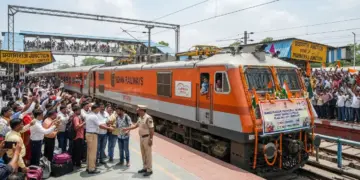
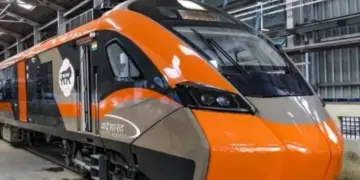
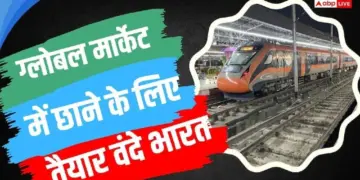
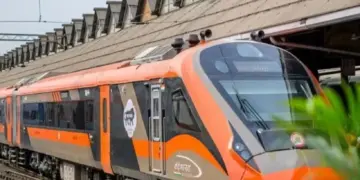
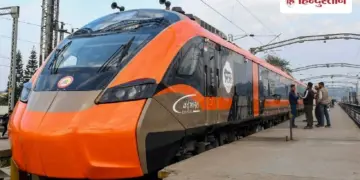
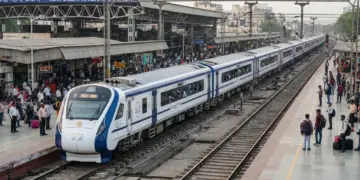
This administrative review will specifically impact high-priority services, including the Swarn Jayanti Rajdhani, Ajmer Shatabdi, Amritsar Shatabdi, and Dehradun Duronto. Furthermore, three major Vande Bharat Express routes—including those connecting to Bhopal, Ajmer, and Dehradun—are also slated for schedule adjustments. Railway officials believe this move will not only provide a faster travel experience for long-distance commuters but also significantly improve the overall punctuality of the Indian Railways network.