


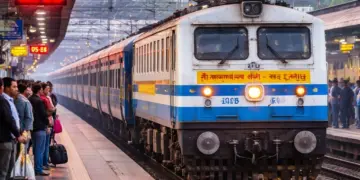

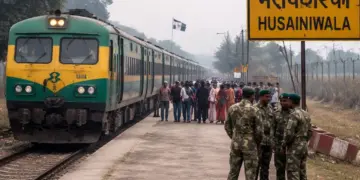
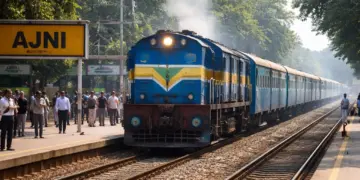




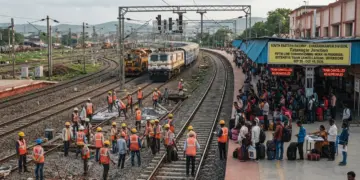
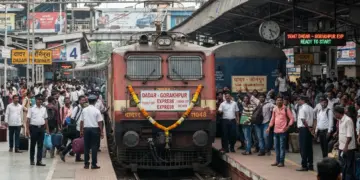




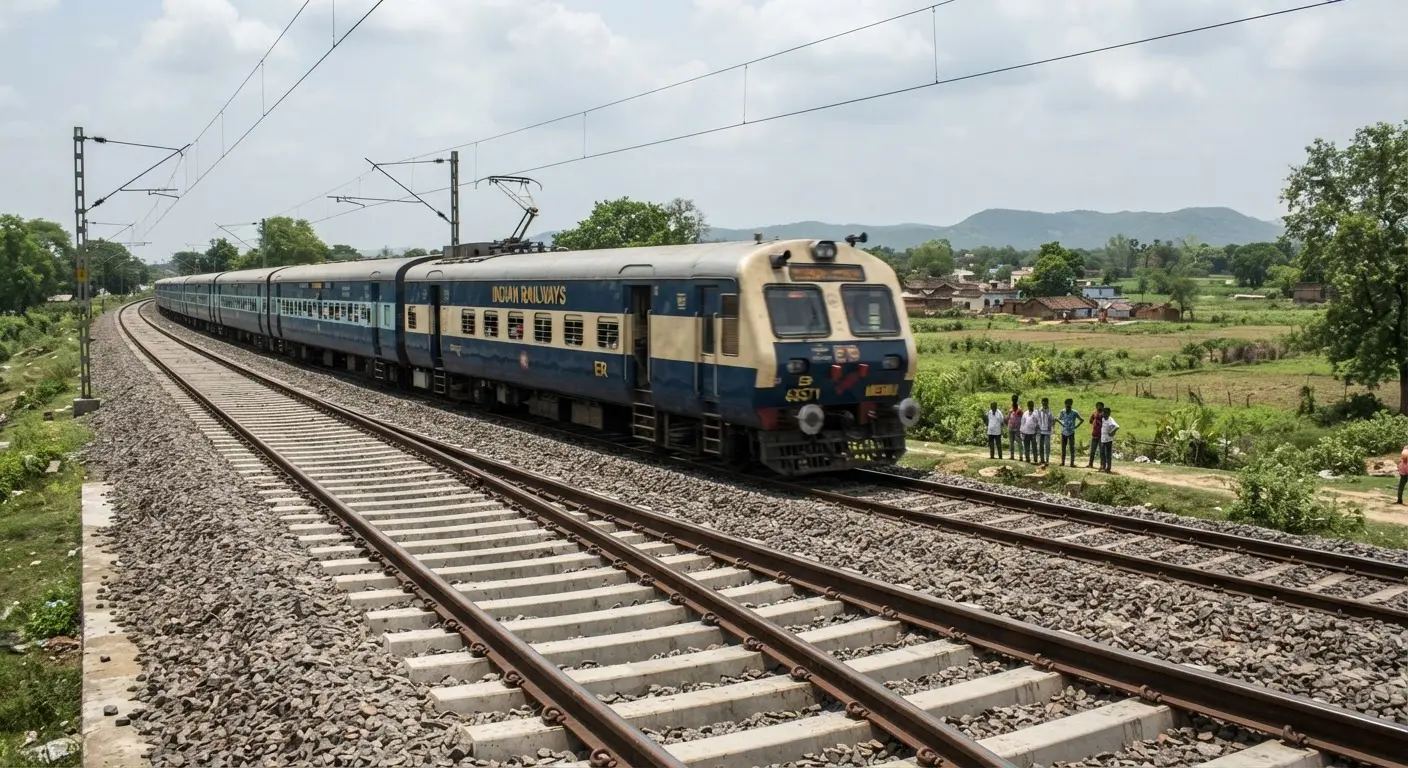

Indian Railways has marked a major milestone in regional connectivity as the Bhagalpur-Mandarhill rail section officially upgraded its maximum permissible speed to 110 Kmph, effective July 21, 2026. This significant jump from the previous limit of 50 Kmph follows rigorous safety testing and track quality assessments, promising a much faster commute for passengers across Bihar and Jharkhand.
Key highlights of the infrastructure upgrade:
• Maximum train speed increased from 50 Kmph to 110 Kmph.
• The 50-kilometer distance between Bhagalpur and Mandarhill was covered in just 42 minutes during trial runs.
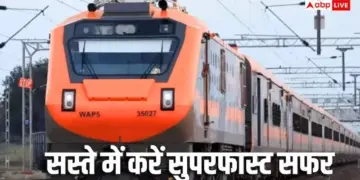
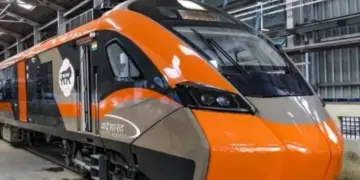
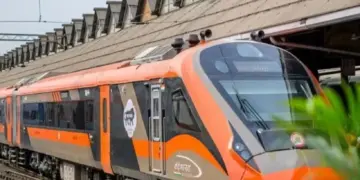
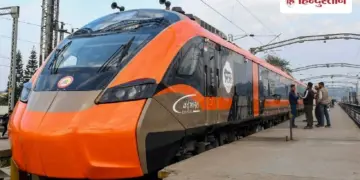
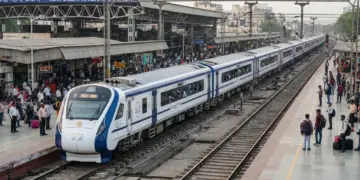
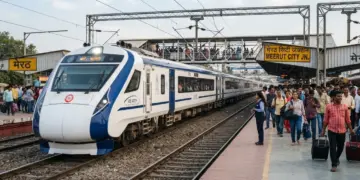
• Major trains including the Godda-New Delhi Humsafar Express, Kaviguru Express, and Jamalpur-Kolkata Vande Bharat Express will benefit from the reduced travel time.
• The speed enhancement is part of a national initiative where over 78% of Indian railway tracks are now compliant with 110 Kmph operations.
Infrastructure Boost and Future Connectivity
This speed upgrade is a welcome relief for thousands of daily commuters traveling towards Bhagalpur, Banka, Godda, and Dumka. By allowing trains to operate at higher velocities, Indian Railways is effectively trimming down travel times on this crucial route. The successful trial runs, which saw speeds reaching up to 120 Kmph, have paved the way for the current operational limit of 110 Kmph.
Beyond current speed enhancements, the government is focusing on long-term capacity building. On July 20, 2026, the Cabinet Committee on Economic Affairs, chaired by Prime Minister Narendra Modi, approved the doubling of the 177-kilometer-long Bhagalpur–Dumka–Rampurhat line. This massive infrastructure project, estimated at 3,169 crore rupees, is designed to resolve the chronic congestion issues inherent to single-line sections.
While the current speed hike improves efficiency, the eventual completion of the doubling project—for which land acquisition began on January 6, 2026—will be the true game-changer. Once finalized, this project will significantly enhance punctuality and operational fluidity, creating a robust rail network connecting the states of Bihar, Jharkhand, and West Bengal. These combined efforts reflect the Ministry of Railways’ ongoing commitment to modernizing the nation’s rail backbone for a faster and more reliable passenger experience.