


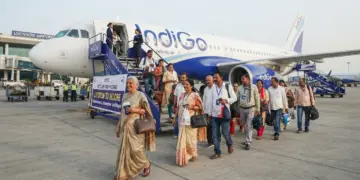





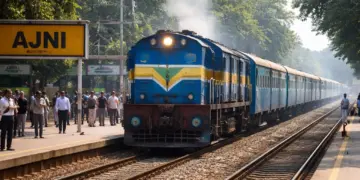


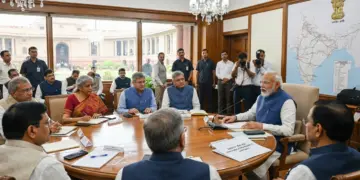







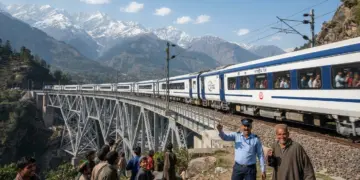




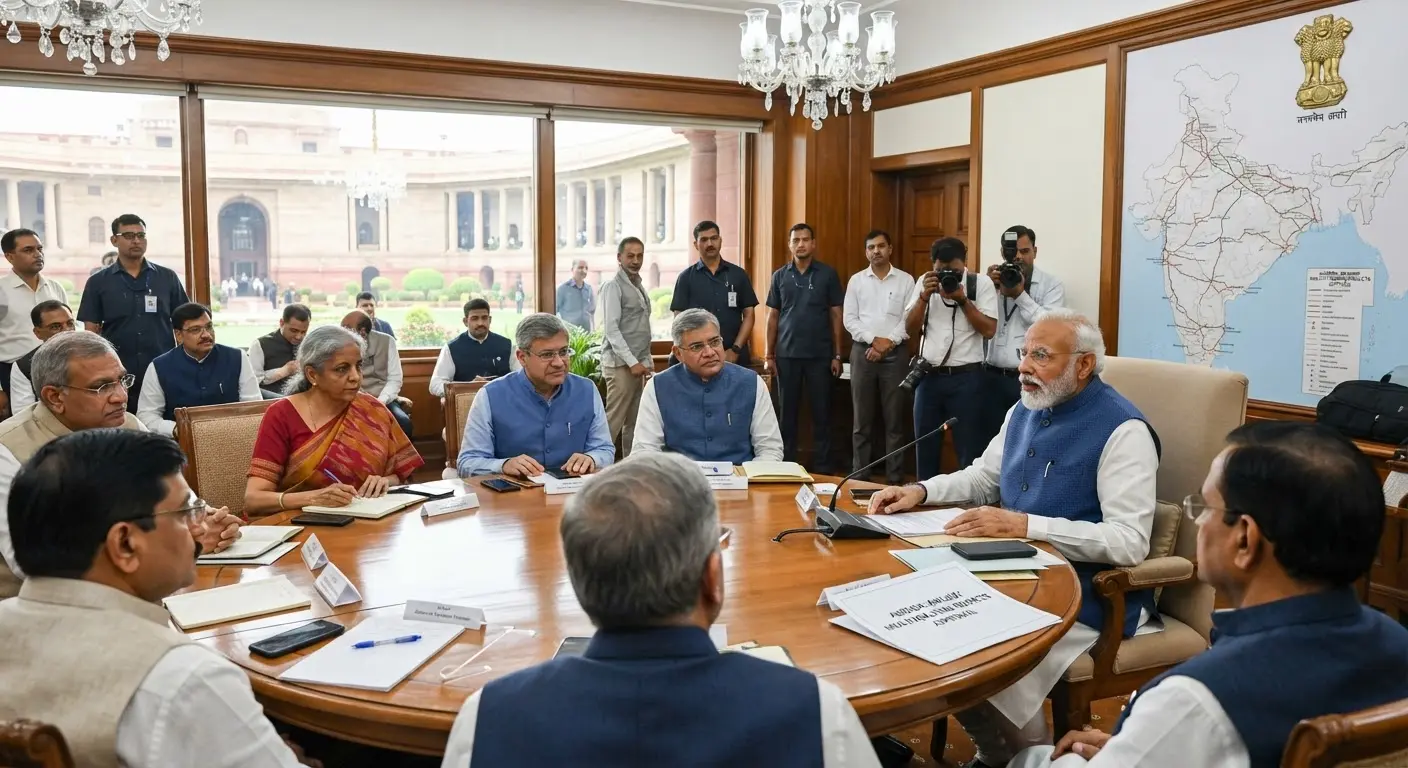

The Union Cabinet has cleared four major railway multitracking projects to boost infrastructure and logistics efficiency across four states. These initiatives aim to expand the Indian Railways network and improve passenger convenience significantly. Here are the key highlights of the newly approved railway projects: The Cabinet Committee on Economic Affairs approved the projects with an estimated investment of ₹9,450 crore on Wednesday, August 19, 2026. The infrastructure expansion will cover 410 kilometers across West Bengal, Odisha, Andhra Pradesh, and Tamil Nadu. The entire network upgrade is scheduled for completion by 2030-31. These developments will provide improved rail connectivity to 6,448 villages impacting a combined population of roughly 60 lakh people. Minister of Information and Broadcasting Ashwini Vaishnaw confirmed that the projects align with the PM Gati Shakti National Master Plan.
Specific Projects and Route Details
The newly sanctioned multitracking initiatives involve strategic routes designed to ease congestion and improve speed across busy corridors. The approved projects include the 173-km Kharagpur-Bhadrak 4th line with an outlay of ₹3,352 crore, and the 75-km Bhadrak-Haridaspur 4th line costing ₹1,583 crore. Furthermore, the plan features the 90-km Gummidipundi-Gudur 3rd and 4th lines valued at ₹2,229 crore, alongside the 72-km Cuttack-Paradeep 3rd and 4th lines budgeted at ₹2,286 crore. These expansions will also enhance travel access to prominent tourism hubs including Bhitarkanika National Park, Kuldiha Wildlife Sanctuary, and Pulicat Lake. Odisha Chief Minister Mohan Charan Majhi expressed gratitude to the leadership for these strategic connectivity boosts.
Freight Capacity and Environmental Impact
Beyond passenger convenience, the massive infrastructure expansion is projected to generate 76 million tonnes per annum (MTPA) of additional freight traffic. This multi-tracking push also contributes significantly to environmental sustainability by reducing oil imports by 13 crore liters. Additionally, it will cut CO2 emissions by approximately 65 crore kilograms, which is equivalent to planting 2.60 crore trees.