







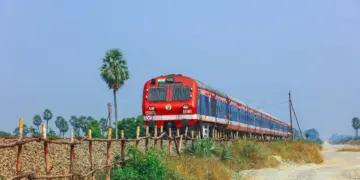



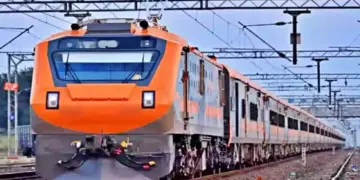
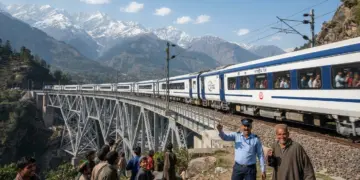

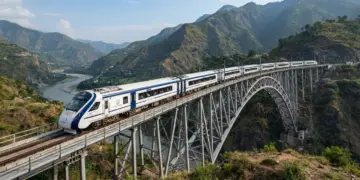
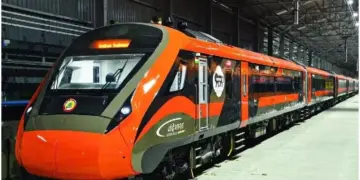
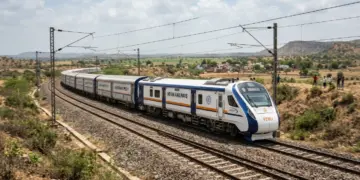
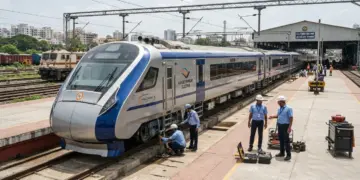



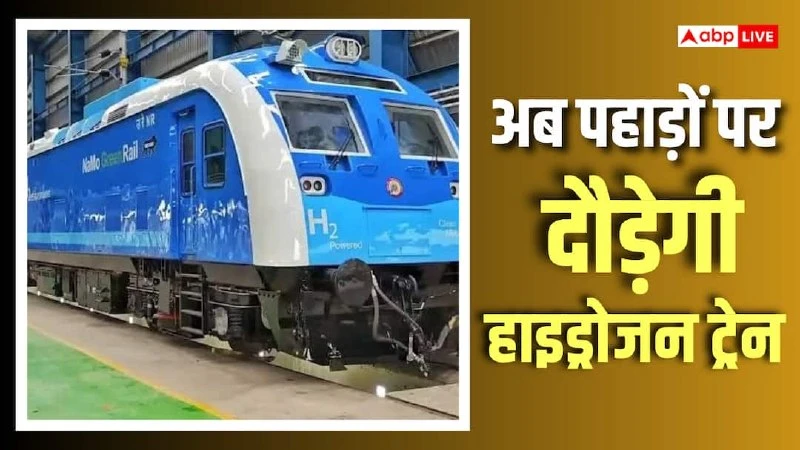

Indian Railways is expanding its eco-friendly hydrogen-powered train project to cover 35 identified mountainous and heritage routes to minimize pollution and noise in ecologically sensitive regions following the successful launch of the indigenous ‘Namo Green Rail’.
Indian Railways is expanding its hydrogen train project across 35 routes as part of the ‘Hydrogen for Heritage’ program.
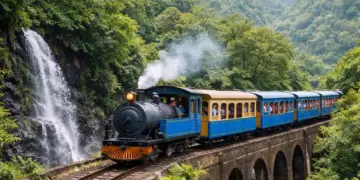
Prominent mountain railways like the Kalka-Shimla, Ooty, and Darjeeling routes are prioritized for deployment.
The ‘Namo Green Rail’ completed over 2,500 kilometers of commercial operations as of August 18, 2026.
The initiative supports Indian Railways’ objective to achieve ‘net-zero’ carbon emissions by 2030.
Expanding Green Technology to Fragile Terrains
Following the successful launch of the indigenous ‘Namo Green Rail’ on July 17, 2026, Indian Railways is actively expanding its hydrogen-powered train project. Prominent mountain railways, including the Kalka-Shimla, Ooty, and Darjeeling routes, have been prioritized for this deployment. The transition to hydrogen technology is designed to preserve the natural beauty of these terrains, where traditional overhead electrification is deemed difficult or environmentally undesirable. These modern trains, which emit only water vapor, offer a sustainable alternative to conventional locomotives in these challenging geographical locations.
Progress and Infrastructure Development
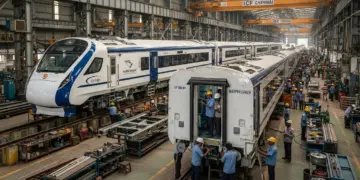
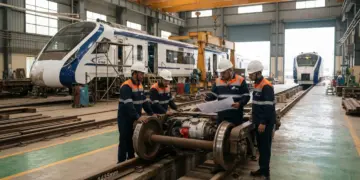
Since the ‘Namo Green Rail’ was flagged off by Prime Minister Narendra Modi on the Jind-Sonipat section, the technology has demonstrated significant progress, having completed over 2,500 kilometers of commercial operations as of August 18, 2026. This ambitious project is a key component of Indian Railways’ objective to achieve ‘net-zero’ carbon emissions by 2030. Development and manufacturing were spearheaded by the Integral Coach Factory in Chennai, with technical specifications managed by the Research, Design & Standards Organisation. Furthermore, the hydrogen refueling infrastructure at Jind operates under strict safety licenses from the Petroleum and Explosives Safety Organisation, strictly adhering to international standards such as NFPA 2 and ISO 19880.