















In a major boost to sustainable transport and urban infrastructure, Prime Minister Narendra Modi on July 17, 2026, inaugurated the Kurukshetra Elevated Railway Track and flagged off India’s first indigenous hydrogen-powered train. These projects signify a transformative shift toward green energy and enhanced city connectivity in Haryana.
- The 5.9-km elevated track in Kurukshetra eliminates five major railway crossings to boost safety.
- India’s first hydrogen train will operate on the 89-km Jind-Sonipat route.
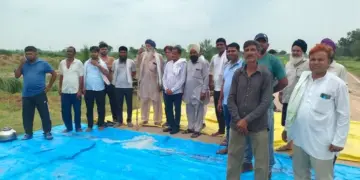
- A new Sikh Museum foundation stone was laid in Umri village, Kurukshetra.
- The hydrogen train project supports the National Green Hydrogen Mission toward net-zero emissions.
Improving Urban Connectivity in Kurukshetra
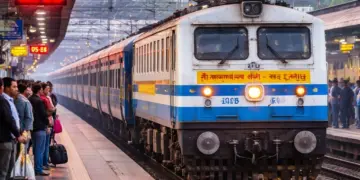
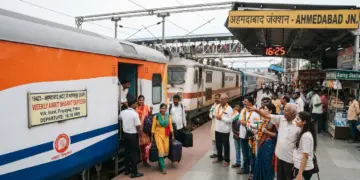
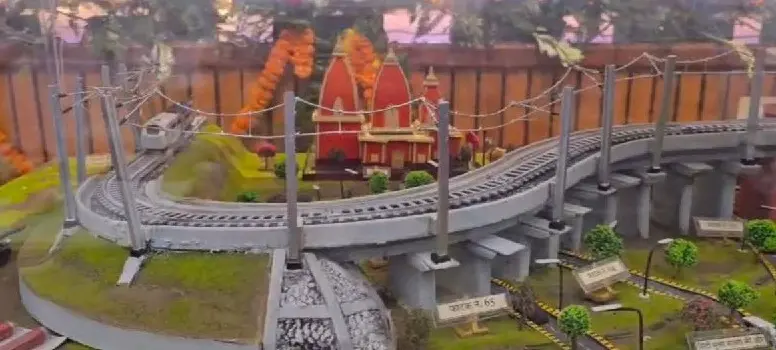
The 5.9-kilometer Kurukshetra Elevated Railway Track has been completed at an estimated cost of ₹447 crore. This critical infrastructure project is designed to eliminate traffic congestion by removing five major railway crossings at key city points, including Main Bazaar, Jhansa Road, and near LNJP Hospital. The structure is supported by 213 pillars and features a modern elevated station at Thanesar City. The project was a joint venture, with the Haryana government contributing ₹206 crore and the remainder funded by Indian Railways. Following a successful trial on July 9, the Jind-Kurukshetra Passenger began utilizing this elevated corridor on July 11, 2026.
India Enters the Hydrogen Era
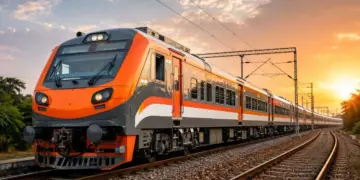
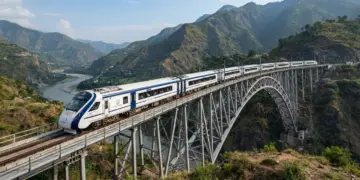
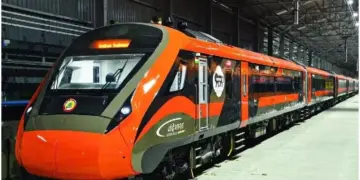
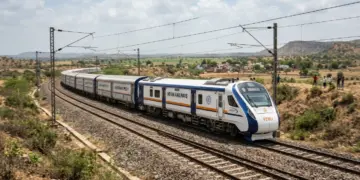
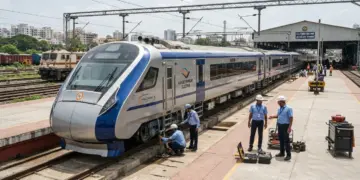
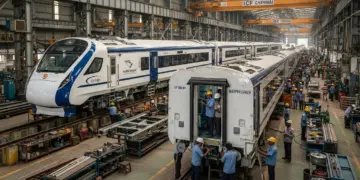
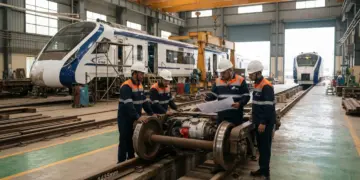
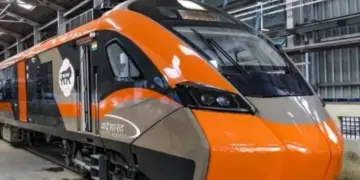
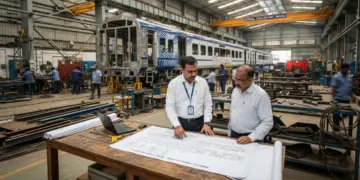
In a landmark moment for the nation’s railway sector, the Prime Minister flagged off the country’s first hydrogen-powered train from Jind. This 10-car set is powered by a 1200 kW hydrogen fuel cell system and is designed for a top speed of 110 kmph. With a capacity to carry approximately 2,600 passengers, the train will service the 89-kilometer Jind-Sonipat route, stopping at 12 intermediate stations. Developed by Integral Coach Factory (ICF) and integrated by Medha Servo Drives, the train produces zero carbon emissions, emitting only water vapor. Supporting this initiative, a massive hydrogen storage and refueling facility has been established at Jind, capable of storing nearly 3,000 kg of hydrogen.
Cultural Heritage and Development
Beyond rail infrastructure, the Prime Minister laid the foundation stone for a state-of-the-art Sikh Museum in Umri village. With an estimated budget of ₹124-150 crore, the museum is set to become a cultural landmark, using modern technology to preserve and display the history and teachings of the Sikh Gurus. This project highlights the government’s commitment to integrating regional cultural preservation with national development goals.