


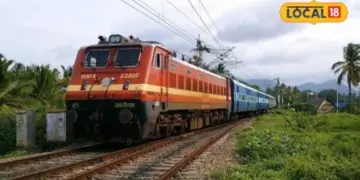
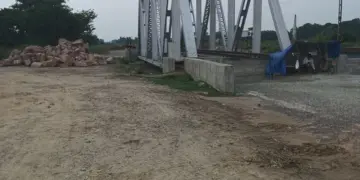
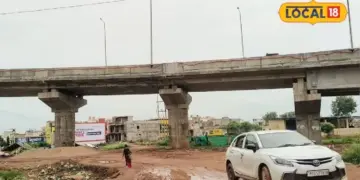
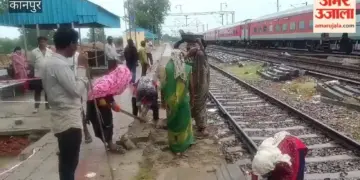
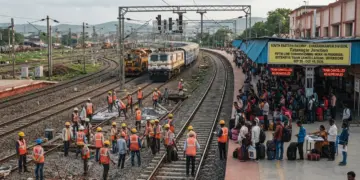



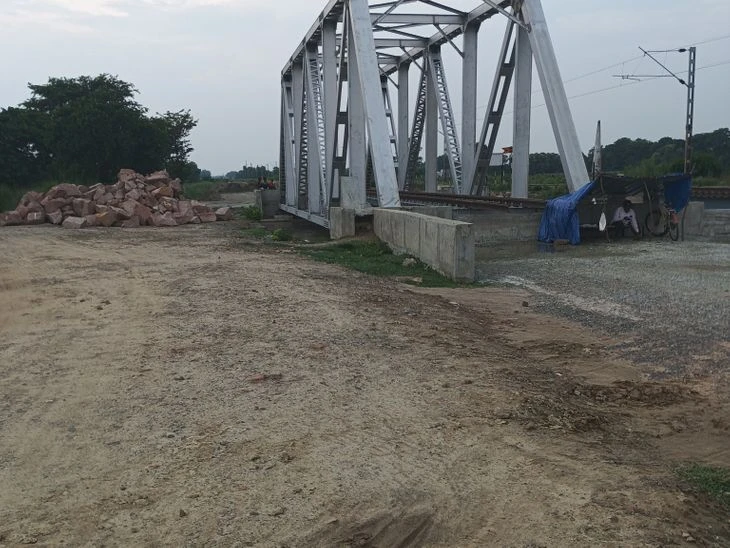

Ongoing railway line doubling projects are bringing significant infrastructure upgrades to the nation, but residents in the villages of Bankata, Mohan Mundera, and Chakiya are facing immediate logistical hurdles. Due to active construction work, a standard 300-meter shortcut that villagers previously relied upon has been rendered inaccessible, forcing commuters to take a lengthy five-kilometer detour to reach their destinations.
Key details of the ongoing situation include:
- Villagers in Bankata, Mohan Mundera, and Chakiya are currently facing a 5-kilometer detour for daily travel.
- The disruption is caused by a 300-meter path being blocked due to active railway track doubling construction.
- This project is part of a massive national expansion effort aimed at increasing rail capacity.
- Residents are calling for better accessibility solutions while construction continues in their vicinity.
A National Infrastructure Push
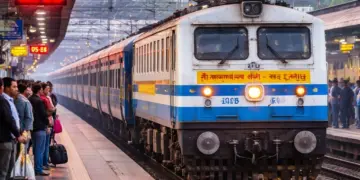
This localized disruption is part of a much larger narrative of transformation for Indian Railways. Between 2014 and 2024, the national transporter has successfully completed **31,180 kilometers of new lines, doubling, and gauge conversion**. This represents a pace of development that has more than doubled compared to the 2009-2014 period. As of April 1, 2024, the government is overseeing **488 railway infrastructure projects**, which include **261 doubling projects** currently in various stages of planning or execution.
Balancing Growth and Local Needs
The total investment for these nationwide projects is valued at approximately **7.44 lakh crore rupees**. While officials are working hard to expedite critical corridors, such as the Muzaffarpur-Valmiki Nagar section and the **177-kilometer Bhagalpur-Dumka-Rampurhat doubling project**, the situation in Bankata and Mohan Mundera highlights the human element of large-scale civil engineering. While the long-term benefits of these projects—such as faster travel times and increased train frequencies—are clear, local residents continue to urge authorities to provide temporary relief or alternative crossing points to mitigate the daily commute barriers caused by these essential site-specific construction works.