

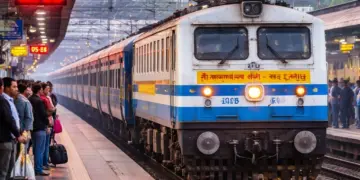

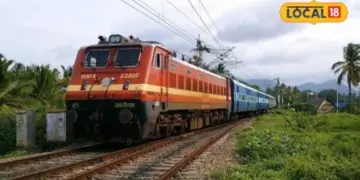
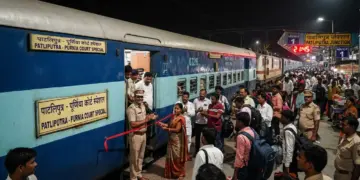




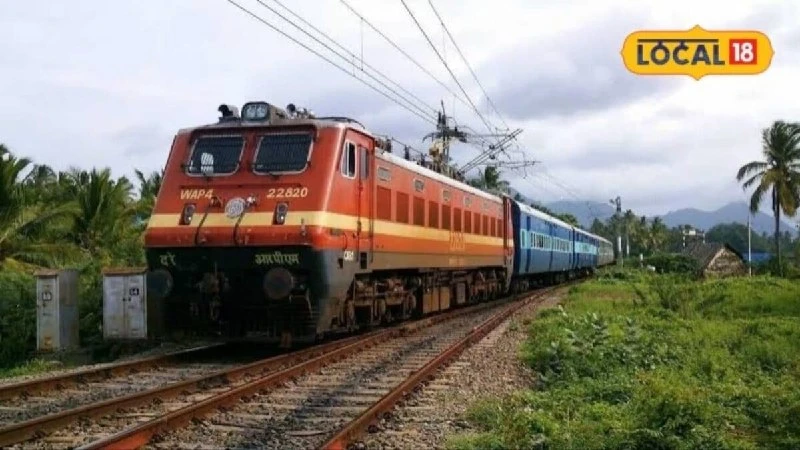

In a significant move to boost connectivity for pilgrims, the Railway Board has officially approved the extension of the Sabarmati BG-Jammu Tawi Express up to Shri Mata Vaishno Devi Katra. This development brings much-needed relief to travelers from Jodhpur and surrounding regions, as they will now enjoy a seamless, direct train journey to the base camp of the holy shrine without the hassle of changing trains at Jammu Tawi station.
- Direct Connectivity: The train now extends from Jammu Tawi to Shri Mata Vaishno Devi Katra.
- New Stoppages: The route will include additional halts at Samba, Bari Brahmana, and Shaheed Captain Tushar Mahajan stations.
- Effective Dates: Services commence from Sabarmati on October 18 and from Katra on October 20.
- Operational Ease: Eliminates the requirement for passengers to disembark at Jammu Tawi.
Enhanced Connectivity for Pilgrims
According to Anurag Tripathi, the Divisional Railway Manager (DRM) for the North Western Railway (NWR) Jodhpur Division, this extension is part of a strategic initiative by Indian Railways to improve travel accessibility to the holy shrine. By extending the service, the Railways aims to provide a more comfortable and convenient pilgrimage experience for thousands of devotees who travel from Gujarat and Rajasthan to Jammu and Kashmir annually.
Updated Train Schedule and Routes
Passengers should take note of the updated operational schedule for their travel planning. Train number 19223, now officially the Sabarmati BG-Shri Mata Vaishno Devi Katra Express, is set to commence its extended journey from Sabarmati BG starting October 18. For the return leg, train number 19224, the Shri Mata Vaishno Devi Katra-Sabarmati BG Express, will begin its operations from Katra starting October 20.
The addition of three new stops—Samba, Bari Brahmana, and Shaheed Captain Tushar Mahajan stations—is expected to provide better regional connectivity for local commuters along the route. This expansion reflects the ongoing efforts of the North Western Railway to optimize train paths and ensure that long-distance travelers have better access to major religious and tourist destinations across the country.