






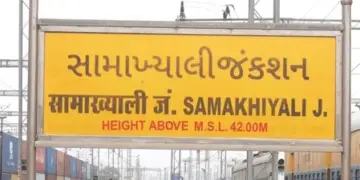


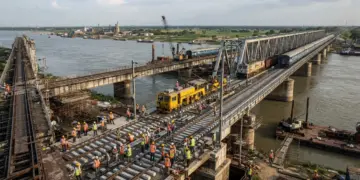


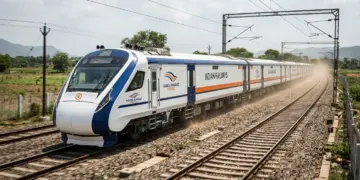
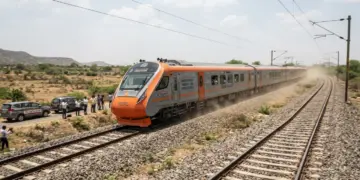



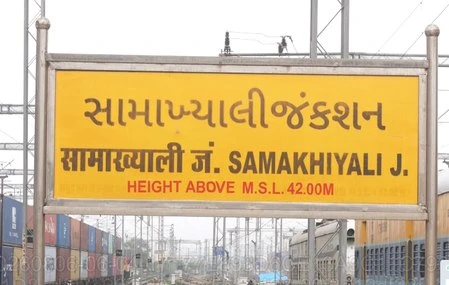

Western Railway has achieved a significant infrastructure milestone with the completion of the quadrupling project between Samakhiali and Bhachau in Gujarat. This critical expansion is set to boost both freight and passenger mobility across the Kutch region. As of August 6, 2026, the newly laid tracks have undergone a comprehensive safety assessment by E. Srinivas, the Commissioner of Railway Safety (CRS) for the Western Circle, marking the final step before the lines are opened for public and commercial use.
Key highlights of the project include:
• Completion of **32.90 kilometers of new railway lines**.
• Construction of a **16.398-kilometer down line** and a **16.502-kilometer up line**.
• Massive civil engineering efforts including **6.25 lakh cubic meters of earthwork** and **96,000 cubic meters of ballast**.
• Infrastructure upgrades at **Samakhiali, Vondh, and Bhachau stations**.
• Construction of **four major bridges and 25 minor bridges** to support increased traffic load.
Strategic Importance for Freight and Passengers
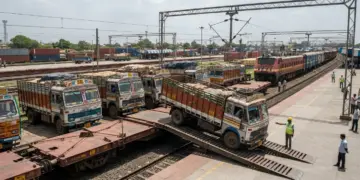
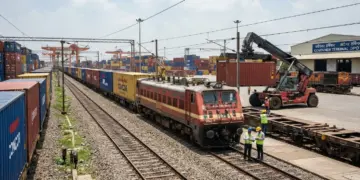
The Samakhiali-Bhachau section serves as a vital artery for the national railway network. By quadrupling this stretch, Western Railway aims to streamline the movement of goods from the industrial hubs of Kutch and the major ports of **Kandla and Mundra**. This corridor is heavily utilized for transporting freight originating from Bhuj, Gandhidham, Vayor, and surrounding industrial zones.
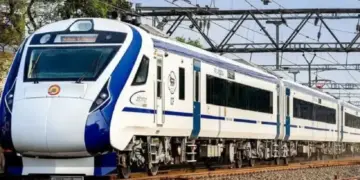
Beyond freight, the project is a major win for passenger commuters. The additional capacity will reduce congestion on existing lines, allowing for more efficient scheduling and potentially paving the way for new train services in the future.
Next Steps for Operations
Following the recent inspection by the Commissioner of Railway Safety, the railway administration is now awaiting the formal submission of the inspection report. Once the statutory approval is granted and the CRS clears the section for operations, train services will commence on the new lines. This development underscores Indian Railways’ ongoing commitment to enhancing infrastructure in high-demand regions, ensuring that the logistics chain from port to hinterland remains robust and reliable. Passengers and freight operators can look forward to improved punctuality and higher line capacity once the lines are fully integrated into the operational network.