








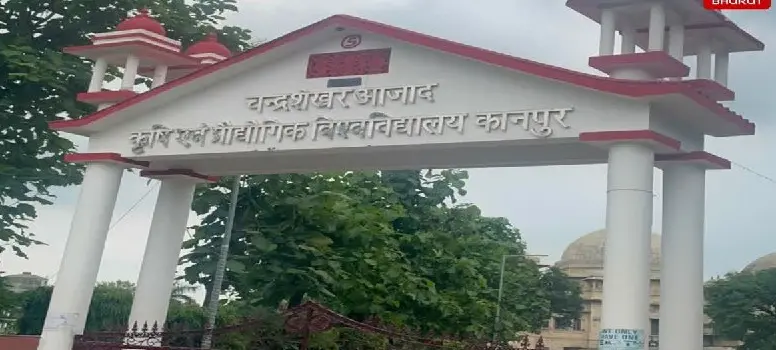

Students of Chandrashekhar Azad University (CSA University) in Kanpur are set to benefit from a major relief as the Indian Railways has officially reintroduced a 50 percent fare concession for them. This initiative, facilitated by the Prayagraj railway division and spearheaded by Vice-Chancellor Dr. Sanjeev Gupta, marks the return of a facility that had been discontinued for nearly two decades. The move is expected to support approximately 3,000 students who travel from various parts of India, including states like Tamil Nadu, Kashmir, and Madhya Pradesh, to pursue their education in Kanpur.
Key highlights of the new concession scheme include:
- 50 percent discount on total railway fare for eligible students.
- Applicable for travel between the university and their hometowns, as well as educational excursions.
- Valid for travel during semester breaks, allowing students to visit home twice a year.
- Available exclusively for Sleeper Class (SL) and Second Seating (2S) travel.
- Students must use special coupons issued by the university to claim the discount at railway reservation counters.
How to Avail the Concession
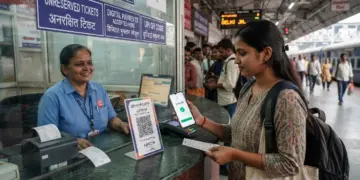
It is important for students to note that this concession is not applicable to e-tickets booked via the IRCTC website or app. To avail of the 50 percent discount, students are required to visit railway reservation counters in person. They must carry their valid student identification card and a bonafide certificate issued by the university to process the booking. By presenting the university-provided coupons along with these documents, students will only be required to pay half the cost of their train tickets.
Restoring a Long-Lost Benefit
The reinstatement of this facility comes after a gap of 19 years. For many students coming from distant states, the cost of travel can be a significant financial burden. By reviving this scheme, the university administration aims to make travel more affordable and accessible, ensuring that students can maintain regular contact with their families without the pressure of high transportation costs. This development is being hailed as a major student-friendly initiative that bridges the gap between academic institutions and the railway network, fostering better connectivity for the youth of the country.