





























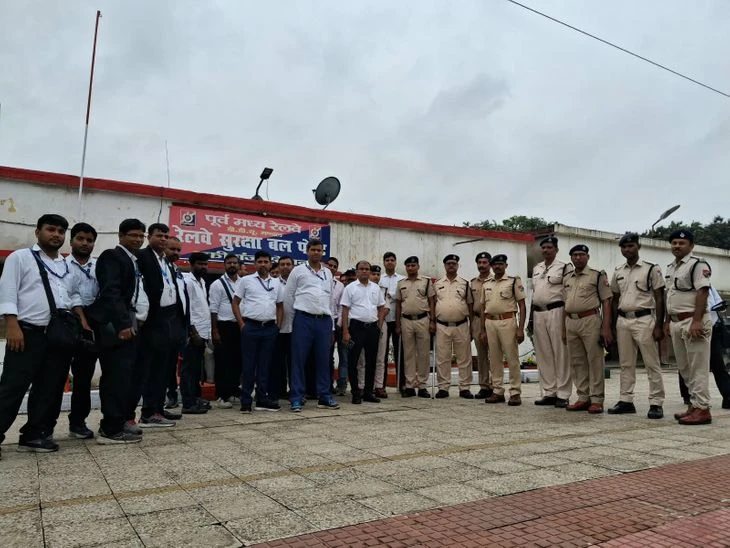

Railway authorities recently conducted a targeted ticket checking operation at Rafiganj railway station to curb unauthorized travel. During this drive, officials took action against 185 individuals found traveling without valid tickets or violating railway travel regulations. The enforcement resulted in a total collection of 99,330 rupees in fines, reinforcing the railway’s commitment to maintaining travel discipline.
Key highlights of the operation include:
- 185 passengers were penalized for ticketless and irregular travel.
- The total fine amount collected reached 99,330 rupees.
- The operation was part of an intensified series of checks across the Indian Railways network in 2026.
- RPF personnel continue to provide critical support for ambush checks on halted trains.
Enhanced Security and Enforcement Trends
This initiative comes amidst a broader nationwide push to optimize revenue and ensure that only valid ticket holders occupy train coaches. While the Railway Board issued updated guidelines in July 2026 that limit the direct involvement of Railway Protection Force (RPF) personnel in ticket checking on moving trains, RPF units remain integral to station-level operations and ambush checks on stationary trains.
Beyond ticket enforcement, Rafiganj station has seen a heightened security presence recently. On August 14, 2026, Inspector-in-charge Ram Sumer of RPF Rafiganj led a security flag march at the station. This exercise was part of the preparations for Independence Day, focusing on enhanced vigilance at passenger entry points to ensure station safety.
National Impact of Checking Drives
These localized efforts align with a larger trend across the Indian Railways network. Throughout 2026, various divisions, including Sonpur and Central Railway, have reported significant growth in revenue generated through fine collections. By consistently targeting ticketless travel, railway authorities aim to improve the overall passenger experience and ensure that the railway infrastructure is utilized fairly by all commuters. Passengers are advised to always carry valid travel documents to avoid legal action and unnecessary financial penalties.