





























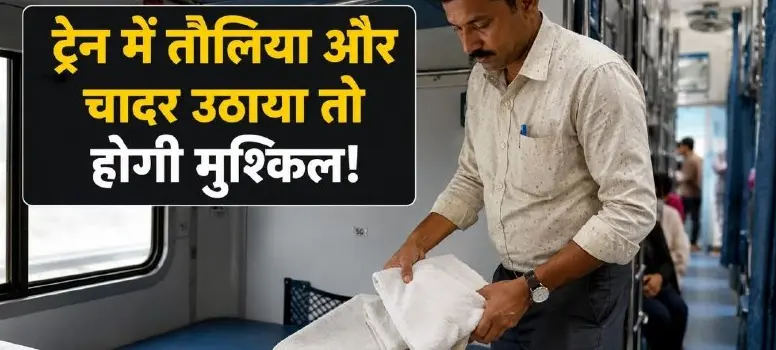

Indian Railways is taking a major step to curb the rising menace of theft involving passenger linen and other railway property. By integrating high-tech Radio Frequency Identification (RFID) technology, the national transporter aims to secure its assets and minimize the significant financial drain caused by missing bedrolls, towels, and blankets. This initiative is designed to alert authorities in real-time, ensuring that railway property remains within coaches and off-limits to unauthorized removal.
- RFID chips will be embedded into bedsheets, blankets, and linen items to track movement.
- Hooter alarms will trigger at train exit gates if tagged items are detected in passenger luggage.
- RPF personnel will be stationed to apprehend individuals attempting to remove railway property.
- The initiative targets a reduction in the ₹50-60 crore annual loss specifically attributed to bedroll theft.
The Technology Behind the Security Drive
The core of this anti-theft strategy involves embedding tiny, unobtrusive RFID chips into each linen item. The system utilizes invisible sensors installed at coach and train exit gates. If a passenger attempts to exit the train with a tagged item in their bag, the system will trigger a loud “hooter” alarm. This immediate alert allows Railway Protection Force (RPF) personnel, who may be operating in plain clothes, to intervene and recover the items.
Currently, Indian Railways faces a staggering loss of ₹4,000 crore over the past three financial years due to various thefts. Regarding linen alone, approximately 10-12 lakh items are stolen annually out of the 14-15 crore supplied to passengers. The Railway Board, in collaboration with Mumbai Central and the Western Division, has determined that this investment is highly cost-effective. While embedding chips costs between ₹20-50 per item and scanner systems cost approximately ₹20,000-30,000, these figures are minimal compared to the recurring losses faced every year.
Strengthening Station Security
Beyond the RFID system, the Railways is modernizing patrolling efforts to ensure better oversight. The RPF is now deploying e-scooters at major transit hubs, including Chennai Central, Delhi, and Mumbai, to enable faster response times and more efficient platform monitoring. Previously, coach attendants were often held financially liable for missing linen, while the railways absorbed the costs for stolen bathroom fittings. With this new technological intervention, the administration hopes to create a more secure environment for both railway property and staff, ensuring that passenger amenities remain available for everyone on future journeys.