











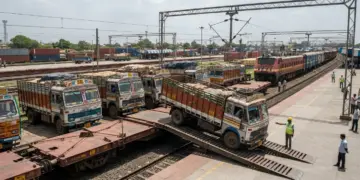



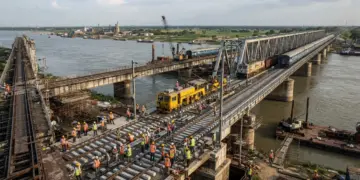

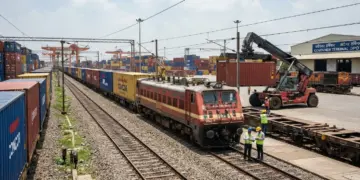
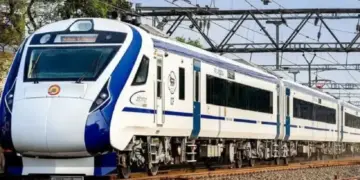





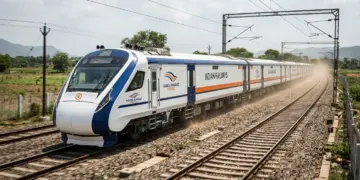




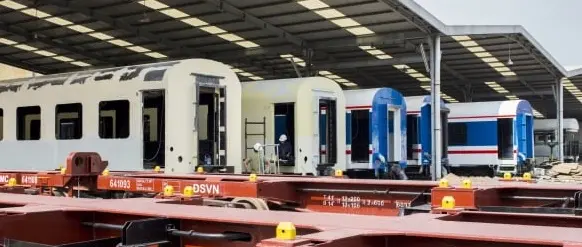

The Indian railway landscape is witnessing a strategic shift as the government officially designates the Ministry of Industry and Trade to spearhead a comprehensive National Railway Industry Development Plan. This new mandate is set to overhaul how the country approaches railway infrastructure, focusing heavily on self-reliance, indigenous technology, and the standardization of urban rail systems. By fostering stronger inter-ministerial coordination, the government aims to create a robust ecosystem that reduces dependency on foreign parts and promotes high-end domestic manufacturing.
- Ministry of Industry and Trade to lead the national railway development roadmap.
- Focus on technology transfer and increasing localization rates for critical components.
- Government Office Document No. 6696/VPCP-CN mandates uniform technical standards for urban railways.
- Hanoi and Ho Chi Minh City authorities directed to prioritize modern, open-standard infrastructure projects.
Focus on Indigenous Manufacturing and Technology
The core objective of this new directive is to establish a clear technology transfer roadmap. The government intends to define specific localization rates for every phase of railway development. This move is specifically designed to prioritize the growth of domestic production capacity, particularly for high-technical-content components and equipment. By investing in local expertise and human resources, the nation aims to build a sustainable pipeline of skilled professionals capable of managing advanced railway systems, ensuring that future projects are built with local knowledge at their heart.
Standardizing Urban Railway Infrastructure
In a parallel development, the government has issued Government Office Document No. 6696/VPCP-CN, which sets the stage for the modernization of urban rail networks. The Ministry of Construction has been tasked with guiding local bodies on the application of general basic technical parameters. This ensures that all upcoming urban railway projects are systematic, integrated, and aligned with the broader national development strategy.
Local authorities, including the People’s Committees of Hanoi and Ho Chi Minh City, are now required to review and approve project standards that emphasize modern, open-technology options. This move is a significant step toward ensuring that urban transport systems are not only efficient but also highly interoperable, providing a seamless experience for commuters while future-proofing the network against technological obsolescence.