









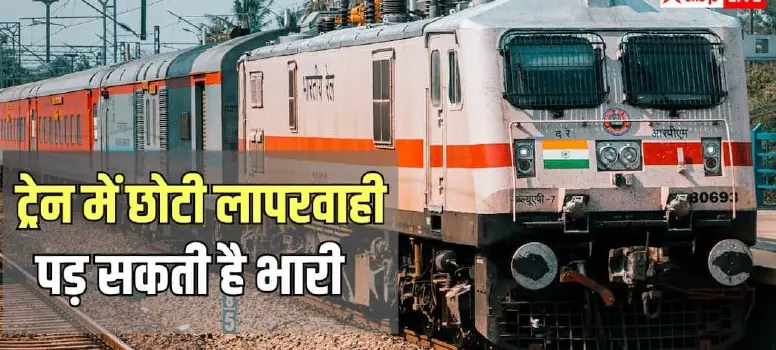

Indian Railways has officially rolled out a revised framework of rules and penalty structures, effective from July 1, 2026, under the Jan Vishwas (Amendment of Provisions) Act, 2026. These updates are designed to bolster passenger safety, streamline operations, and ensure greater discipline across the entire railway network. Passengers are advised to familiarize themselves with these changes to avoid heavy fines and legal repercussions.
Key updates include:
• Fines for reserved coach violations: Male passengers in women-only coaches face a ₹2,500 penalty and immediate removal.
• Ticketless travel: The minimum fine for traveling without a ticket has doubled to ₹500.
• Hazardous goods: Carrying inflammable or explosive materials now carries a minimum fine of ₹10,000 and up to one year in jail.
• Smoking and nuisance: Smoking on trains or premises invites a ₹2,000 fine, while begging or public nuisance carries similar penalties.
• Booking window: The Advance Reservation Period (ARP) has been reduced from 120 days to 60 days.
Strict Enforcement and Penalties
Under the new regulations, the consequences for violating railway norms have become significantly more stringent. If a male passenger is found in a coach reserved for women and refuses to pay the ₹2,500 fine, the matter may be escalated to court, where the fine could reach ₹5,000. Notably, transgender persons remain exempt from this specific rule. Furthermore, those traveling on someone else’s ticket now face a minimum fine of ₹500, with the possibility of ticket confiscation and up to six months of imprisonment for non-payment.
Public safety remains a top priority, and the railway administration is taking a zero-tolerance approach toward dangerous behavior. Smoking inside a train or on railway premises will now cost you ₹2,000, which can climb to ₹5,000 if the case reaches court. Additionally, those caught performing dangerous stunts, such as riding on roofs or footboards, face a civil penalty of up to ₹2,000. Obstructing railway staff while they perform their duties can lead to three months of imprisonment and a ₹2,500 fine.
Digital Ticketing and Booking Changes
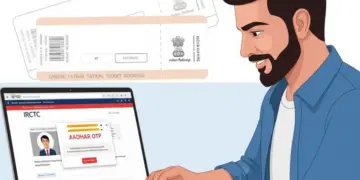
Indian Railways has clarified its digital ticketing policy to prevent fraud. Only original digital unreserved tickets displayed directly within the Rail One app are considered valid. Passengers are warned that screenshots, edited images, or shared photos will not be accepted by TTEs or railway authorities.
Finally, the railway has officially reduced the Advance Reservation Period (ARP) from 120 days to 60 days, effective from July 1, 2026. This change is aimed at reducing ticket cancellations and improving seat availability for genuine travelers. Passengers are urged to stay updated on these regulations to ensure a smooth and hassle-free travel experience.