








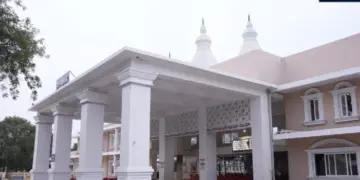
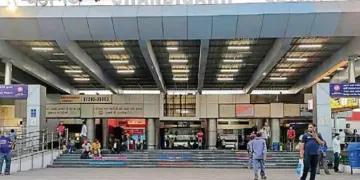







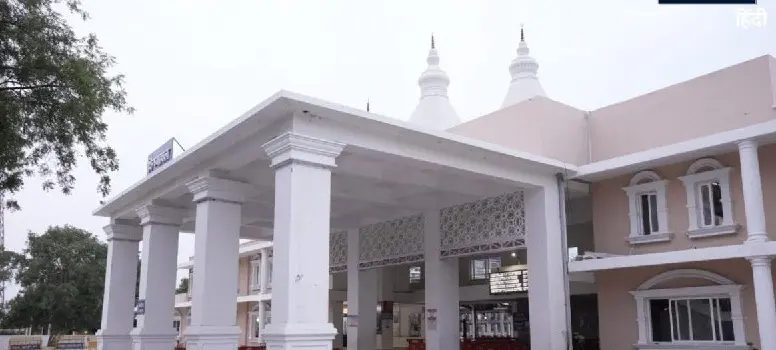

Indian Railways has successfully concluded the major redevelopment of Vindhyachal Dham Railway Station, marking a significant milestone in enhancing the travel experience for millions of pilgrims visiting the sacred Maa Vindhyavasini temple. The project, executed under the Amrit Bharat Station Scheme with an investment of 23.24 crore rupees, aims to blend modern infrastructure with the deep-rooted cultural heritage of the region. Reflecting its spiritual significance, the station was officially renamed Vindhyachal Dham Railway Station on September 9, 2025.
Key highlights of the upgraded station include:
- Modern passenger amenities: Two new waiting rooms, 30 steel seating chairs, upgraded ticket counters, and RO water facilities.
- Accessibility features: Installation of tactile tiles for visually impaired passengers and dedicated ramps for Divyangjan.
- Infrastructure upgrades: Two new pedestrian overbridges, automated escalators, and widened platforms for better crowd management.
- Cultural aesthetics: Station architecture inspired by the Maa Vindhyavasini temple design.
A Vision for Enhanced Pilgrim Connectivity
The journey toward this transformation began on August 6, 2023, when Prime Minister Narendra Modi laid the foundation stone for the project via video conferencing. The redevelopment is a vital component of the broader Vindhya Corridor project, which seeks to streamline access and improve infrastructure for visitors traveling to the temple town.
On June 30, 2026, Railway Minister Ashwini Vaishnaw and the official Indian Railways handle shared glimpses of the completed beautification work. The focus on passenger comfort is evident through the integration of modern technology and user-friendly design. By providing automated escalators and accessible infrastructure, the railways have ensured that the station is now fully equipped to handle the high footfall of devotees with greater efficiency and ease.
This station upgrade serves as a testament to the ongoing efforts of Indian Railways to modernize transit hubs located in significant religious circuits across the country. With the completion of these works, the station not only serves as a gateway to the temple but also stands as a symbol of modern, passenger-centric railway development.