

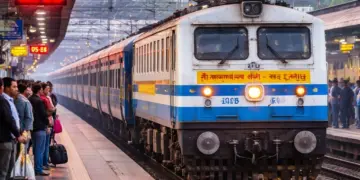

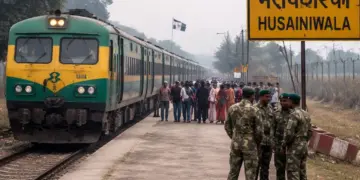
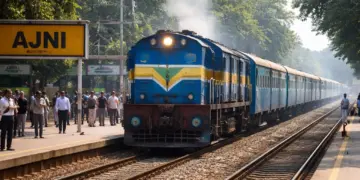



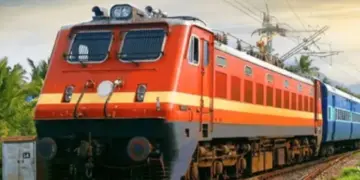
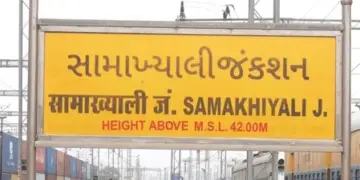

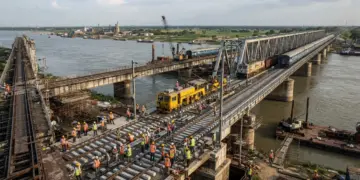

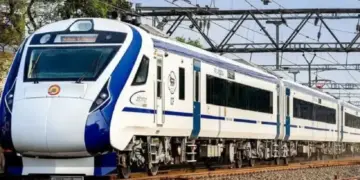


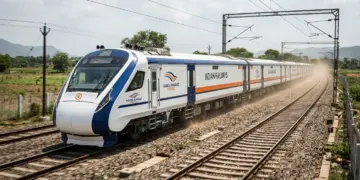
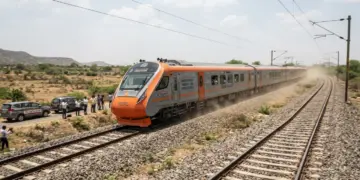



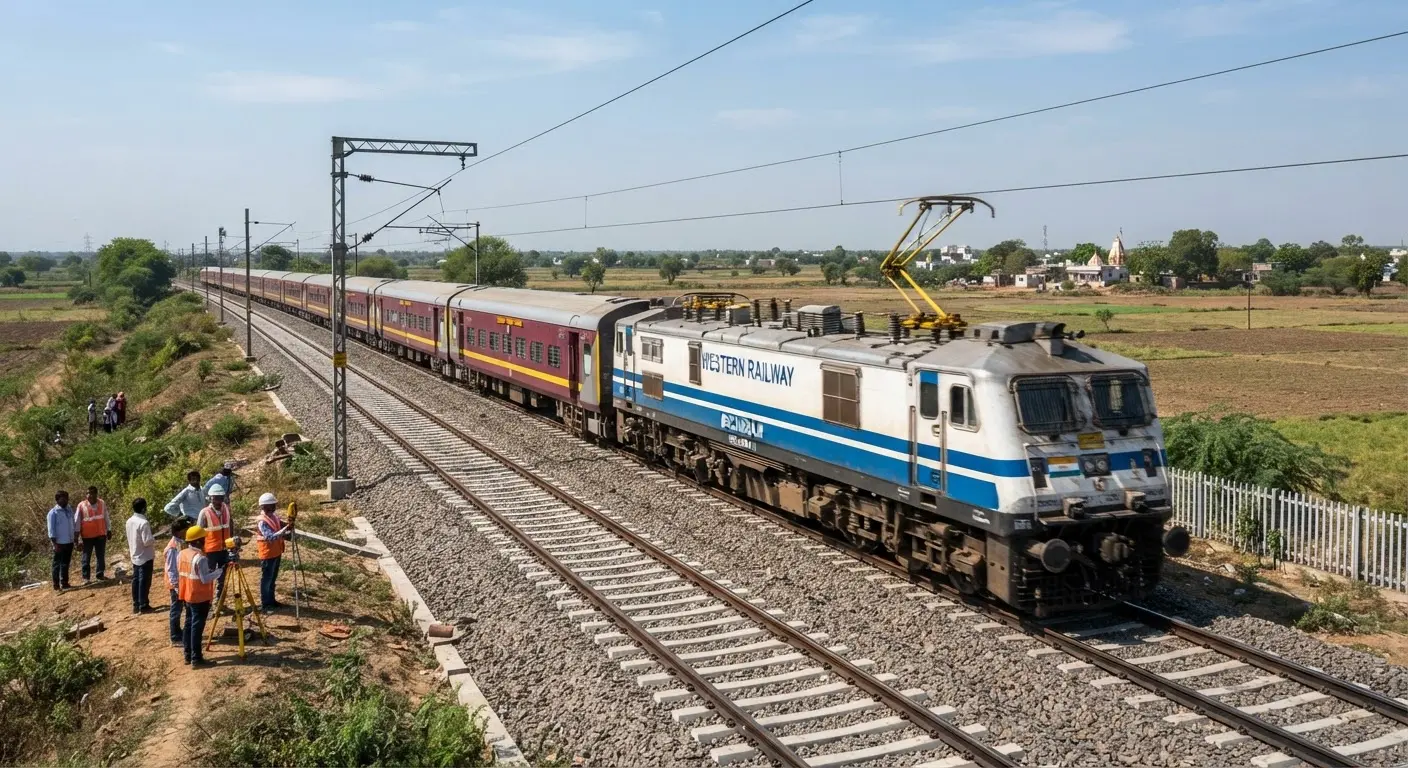

The Western Railway has achieved a significant milestone by successfully conducting a high-speed trial run at 120 kilometers per hour on the newly converted Becharaji rail section. This development marks a major step forward in enhancing regional connectivity and indicates that the route is now technically prepared for the commencement of passenger train services. The project is a key component of Indian Railways’ ongoing infrastructure drive to modernize rail networks across Gujarat.
- The 40-kilometer Becharaji-Ranuj gauge conversion project was officially dedicated by Prime Minister Narendra Modi on August 25, 2025.
- The total investment for the Becharaji-Ranuj line stood at ₹520 crore.
- This project is part of a broader ₹1,400 crore infrastructure initiative that includes the 65-km Mahesana-Palanpur doubling and the 37-km Kalol-Katosan Road gauge conversion.
- The line is strategically designed to support the local automobile industry and align with the National Logistics Policy.
Boosting Industrial Logistics and Connectivity
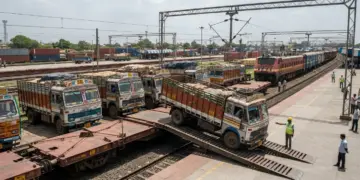
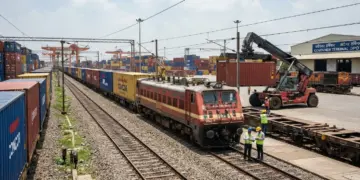
While the successful speed trial brings the prospect of passenger trains closer to reality, the Becharaji-Ranuj line was initially prioritized to serve the region’s burgeoning industrial sector. Upon its formal inauguration in August 2025, the section saw the launch of a car-loaded freight train, highlighting its primary role in facilitating the efficient movement of automobiles and bulk goods.
By integrating this section into the wider rail network, Indian Railways aims to significantly reduce logistics costs for manufacturers in the vicinity. The initiative is a cornerstone of the Pradhan Mantri Gati Shakti National Master Plan, which seeks to create seamless multi-modal connectivity across the country. As Western Railway prepares for the next phase of operations, passengers in the region can look forward to improved travel options that will likely follow the integration of this high-speed compliant track into the regular passenger timetable.