
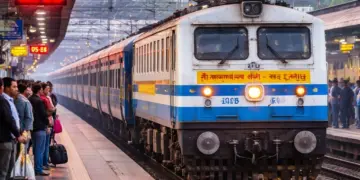

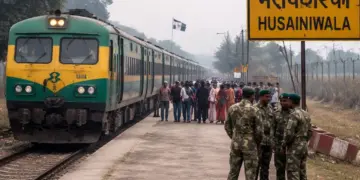
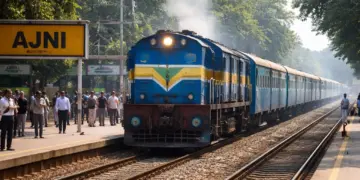





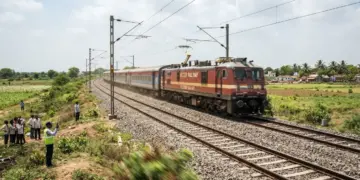
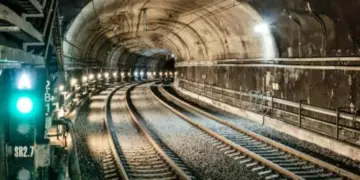
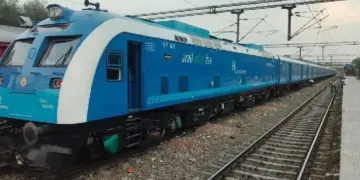


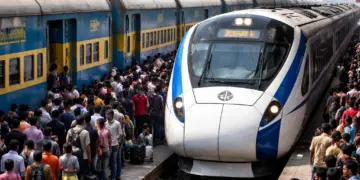








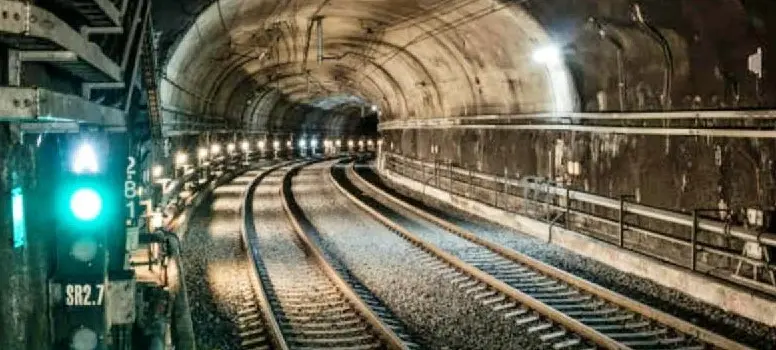

The Indian government has officially embarked on a monumental ₹51,000 crore underground double railway line project designed to fortify the strategically critical ‘Chicken Neck’ corridor. This ambitious infrastructure initiative aims to provide a disaster-resistant, blast-proof subterranean link connecting Bihar with Northeast India, ensuring seamless logistics and enhanced national security.
Key highlights of the project include:
- Total investment of ₹51,000 crore for a 170-kilometer underground rail network.
- Blast-proof and disaster-resistant design capable of supporting bullet trains and serving as a secure bunker during emergencies.
- Strategic alignment covering 45.68 km in Bihar (Katihar and Kishanganj) and 124.32 km in West Bengal (Malda and Jalpaiguri).
- The route will stretch from Kumedpur to Ambarifalakatta, bypassing the vulnerable 20-25 km wide Siliguri Corridor.
- Project completion is targeted for 2033, with design and geotechnical surveys already underway as of December 2024.
Strategic Importance and Economic Impact
This project addresses the long-standing vulnerability of the Siliguri Corridor, which serves as the only land link to India’s eight northeastern states. By creating a subterranean route, the government is ensuring that defense logistics, trade, and energy supplies remain uninterrupted regardless of external conditions or regional instability near the borders of Nepal, Bhutan, Bangladesh, and China.
For the Seemanchal region in Bihar, this rail link is a game-changer. Areas such as Kishanganj, Thakurganj, and Galgalia are expected to witness a surge in logistics, warehousing, and freight-related business activities. This development is set to create significant employment opportunities for local youth and stimulate overall economic growth in the border districts.
Technical Progress and Oversight
Following the laying of the foundation stone, the project has entered the technical phase. Maharashtra-based Monarch Agency has been entrusted with the design and geo-technical surveys, which officially commenced in December 2024. The ambitious timeline for this project has been backed by leadership from Union Rail Minister Ashwini Vaishnaw, Road Transport Minister Nitin Gadkari, and Northeast Frontier Railway General Manager Chetan Srivastava. As the nation moves toward 2033, this underground corridor stands as a testament to India’s commitment to securing its territorial integrity while simultaneously upgrading its railway infrastructure to world-class standards.