




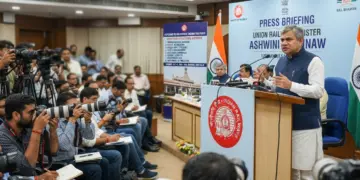
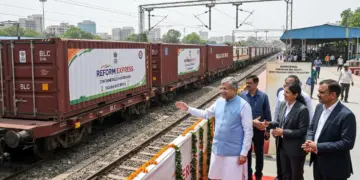
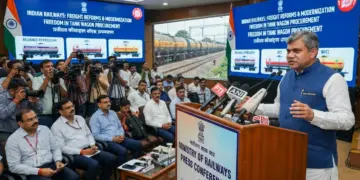

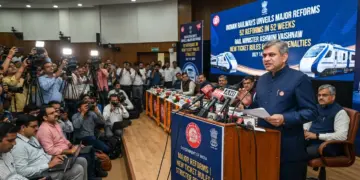
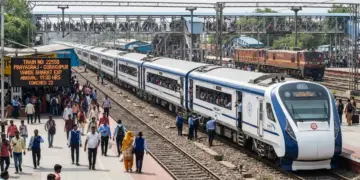




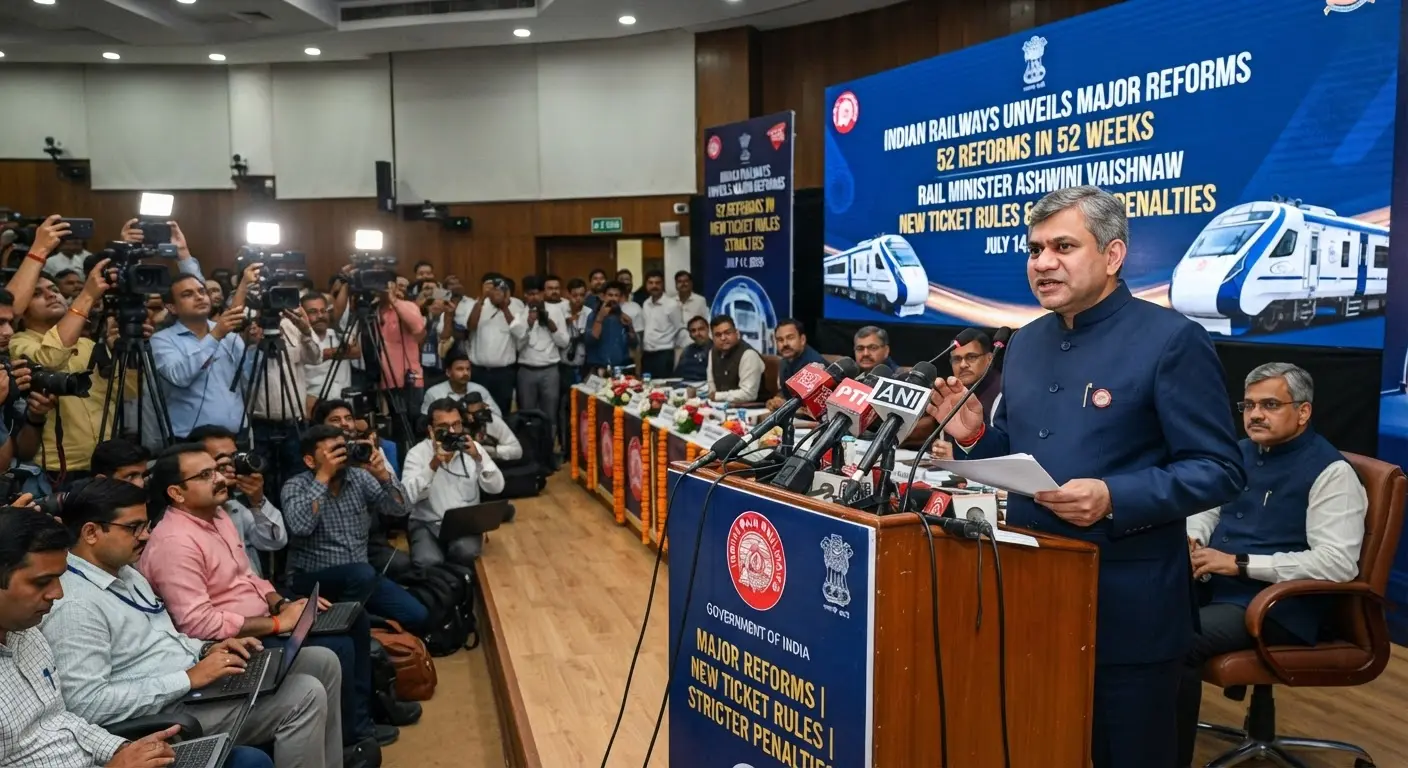

Indian Railways has officially rolled out a comprehensive set of reforms and updated passenger regulations following an announcement by Union Railway Minister Ashwini Vaishnaw on July 14, 2026. These updates, which fall under the ambitious “52 reforms in 52 weeks” initiative, focus on enhancing operational efficiency, streamlining freight logistics, and ensuring a safer, more transparent experience for all passengers. Key changes include stricter verification processes for mobile app bookings and significantly higher penalties for various railway offenses.
- New RailOne app rules: Mandatory photo ID required for booking and travel effective July 15, 2026.
- Stricter penalties: Increased fines for ticketless travel and unauthorized coach entry effective July 1, 2026.
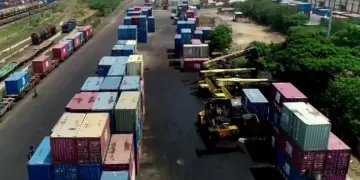
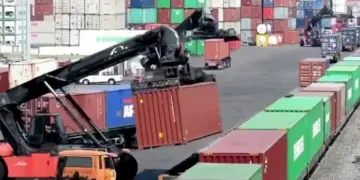
- Freight expansion: Introduction of a single all-India license for container operators.
- Infrastructure boost: Launch of the “Rail Bhoomi” portal to fast-track land acquisition.
Updated Ticketing and Security Protocols
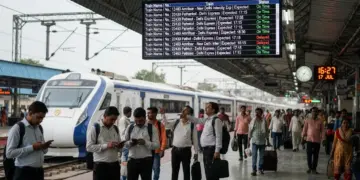
Starting July 15, 2026, passengers using the RailOne mobile app for unreserved tickets must provide a valid photo identity document during the booking process. It is mandatory for travelers to carry the original ID during their journey, as screenshots or WhatsApp copies of digital tickets will no longer be considered valid. These measures are designed to strengthen passenger verification and curb ticket black marketing.
Increased Penalties Under the Jan Vishwas Act
As of July 1, 2026, amendments to the Railways Act, 1989, have introduced harsher financial penalties to deter misconduct. The minimum fine for ticketless travel has been doubled to ₹500. Other notable penalties include ₹2,500 for men entering women’s reserved coaches, up to ₹2,000 for dangerous activities like roof travel, and a minimum fine of ₹10,000 for carrying prohibited goods.
Operational and Freight Reforms
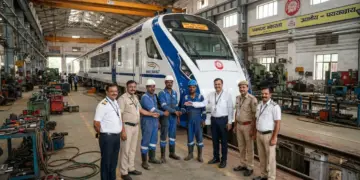
Minister Ashwini Vaishnaw’s reform roadmap addresses critical areas of railway management. For contractors, new rules mandate a 10% performance security upfront alongside stricter eligibility criteria. In the freight sector, a single all-India license for container train operators has been introduced with a ₹25 crore registration fee valid for 20 years.
Furthermore, the “Rail Bhoomi” portal is set to reduce land acquisition timelines by 30-40%, significantly speeding up project development. To support environmental sustainability, new policies now promote the closed-container transportation of fly ash. These structural changes reflect a broader commitment to modernizing India’s railway infrastructure through improved technology, stricter governance, and industry-friendly policies.