
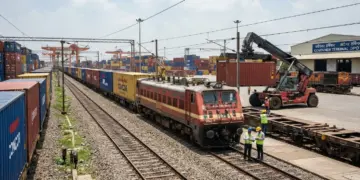
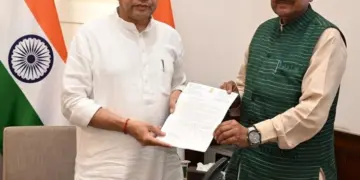



In a major push toward logistics modernization, Indian Railways has announced a transformative policy allowing private industry players to design and manufacture next-generation freight wagons. This initiative, unveiled on July 14, 2026, by Union Railway Minister Ashwini Vaishnaw, marks a departure from the traditional monopoly held by the Research Designs and Standards Organisation (RDSO). The move is a key component of the ambitious “52 reforms in 52 weeks” program, specifically addressing measures 10 through 17 to streamline freight operations and boost private sector participation.
Breaking the Design Monopoly
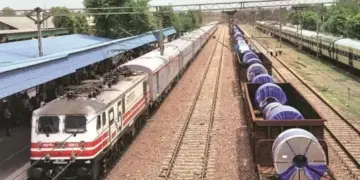
Historically, the RDSO was the sole entity responsible for developing wagon designs, restricting manufacturers to using only approved Indian Railway Standards (IRS) components. Under the new framework, any designer or manufacturer can now propose a new wagon design. While the RDSO will retain its role in evaluating proposals and approving prototypes, the process is now significantly more open. To ensure safety, new designs must undergo full rake trials spanning six months and covering 50,000 kilometers, with final oversight provided by the RDSO and the Chief Commissioner of Railway Safety (CCRS).
Custom Solutions for Specialized Cargo
This policy shift is particularly significant for industries requiring specialized transportation, such as Petroleum, Oil, and Lubricant (POL) sectors. Previously, Indian Railways maintained strict control over tank wagon designs, limiting the ability of companies to innovate for specific cargo needs. With this reform, industry players can develop bespoke wagons tailored to diverse commodities, which is expected to reduce logistics costs and enhance supply chain efficiency across the nation.
Broader Freight Liberalization
Beyond wagon design, the July 14 announcement introduced several other critical reforms aimed at revitalizing India’s freight landscape:
- Simplification of charges for essential commodities including fertilizers, foodgrains, flour, and pulses.
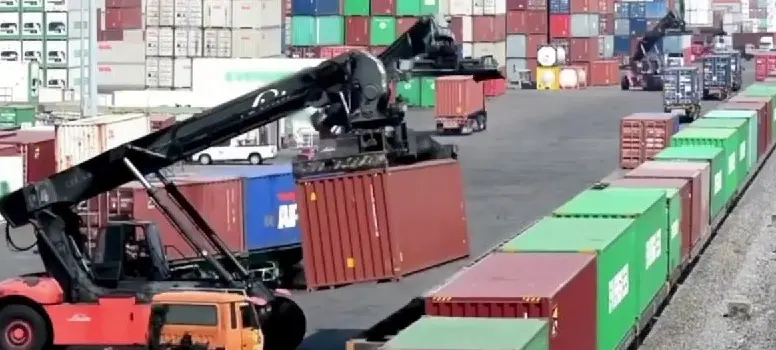
- Introduction of containerized transportation for fly ash to promote cleaner logistics.
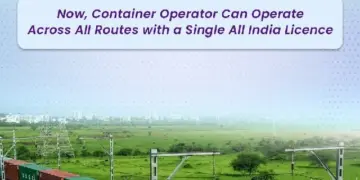
- Replacement of the complex four-category Container Train Operator (CTO) license system with a single unified Pan-India license.
By lowering the barriers to entry and simplifying operational structures, Indian Railways aims to attract greater private investment, promote greener transport alternatives, and significantly increase the share of rail in the national logistics mix.