

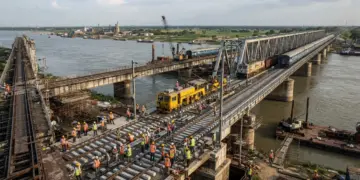
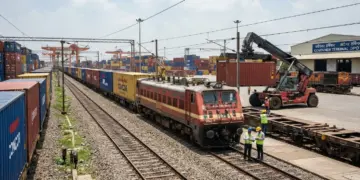



The Ministry of Railways has unveiled a transformative policy shift to modernize freight logistics across the country. Announced on July 14, 2026, by Union Minister Ashwini Vaishnaw, these measures form the 17th stage of the ambitious “52 Reforms in 52 Weeks” initiative. The new framework focuses on simplifying tariff structures, encouraging private investment, and transitioning essential commodity transport from road to rail.
- Simplified freight rates: A uniform per-tonne-per-kilometre structure replaces complex slab-based pricing.
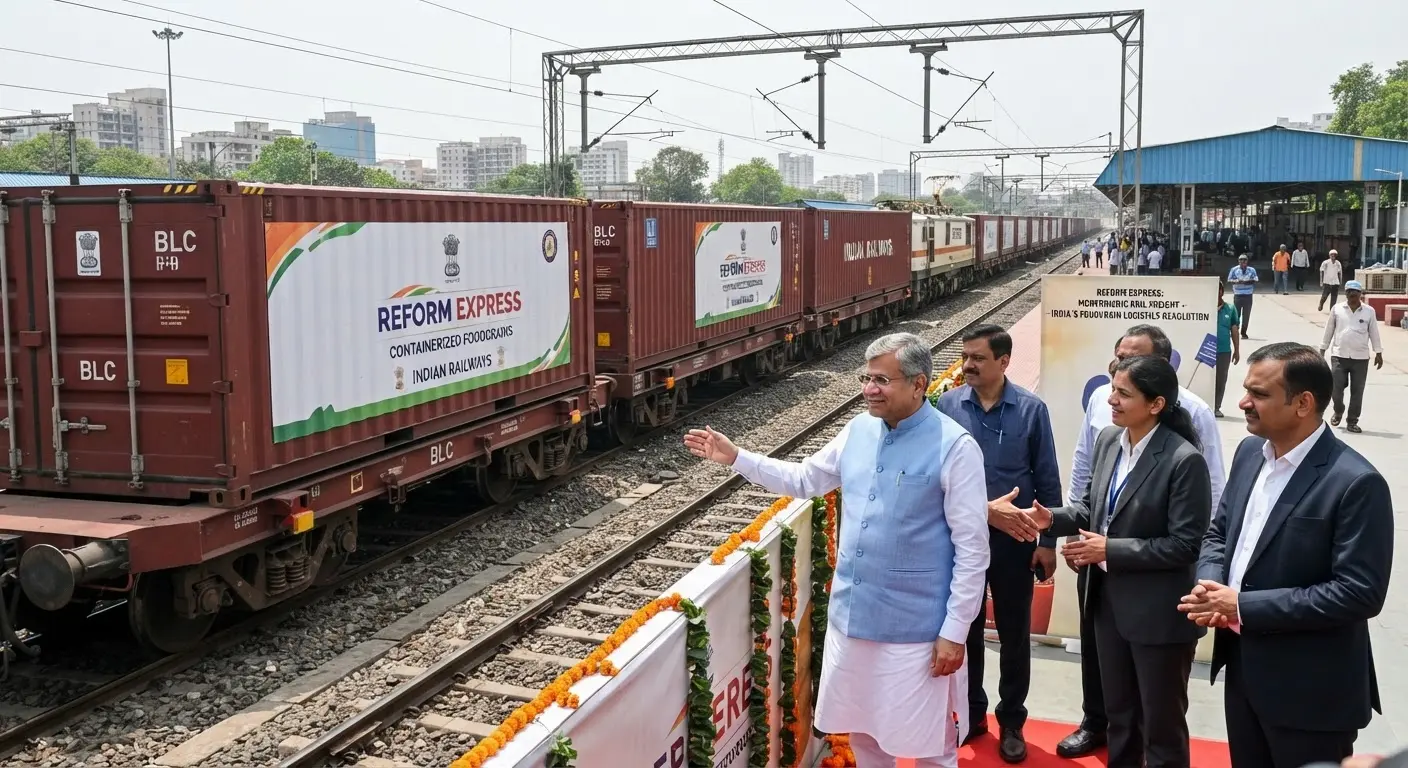
- Containerized food transport: Direct permission for moving foodgrains, flour, and pulses in containers to ensure safety and efficiency.
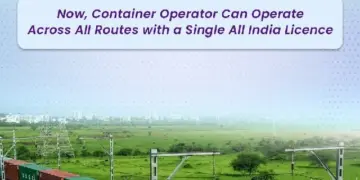
- Unified licensing: A single pan-India Container Train Operator (CTO) license replaces the previous multi-category system.
- Private innovation: Wagon design policy now allows private players to create custom wagon designs subject to RDSO approval.
Modernizing Essential Commodity Logistics
By shifting to a per-tonne-per-kilometre rate structure, the Railways aims to eliminate the administrative hurdles that previously hampered the movement of foodgrains, flour, and pulses. The decision to allow containerized movement for these items is a game-changer for food safety. This method significantly reduces contamination risks and allows for flexible storage and phased distribution, meaning operators no longer need to detain an entire rake to move smaller quantities of goods.
Promoting Sustainability and Private Participation
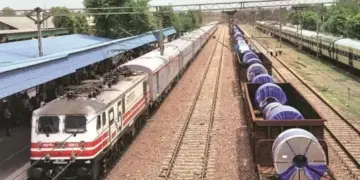
The Railways is making a strong push to move freight traffic from highways to tracks. Rail transport is significantly greener, generating nearly 90 percent lower emissions compared to road transport. These reforms extend beyond foodgrains, covering fertilizers, fly ash, and petroleum products to further reduce the nation’s logistics costs.
To attract private investment, the government has introduced a single unified pan-India CTO license. This license carries a non-refundable registration fee of ₹25 crore, which provides long-term stability with free extensions after 20 years of successful operation. Furthermore, the new wagon design policy empowers private companies to innovate, provided their designs meet the safety and quality standards set by the Research Designs and Standards Organisation (RDSO). These combined efforts are expected to create a more efficient, competitive, and eco-friendly freight ecosystem for India.