
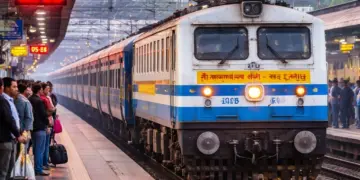




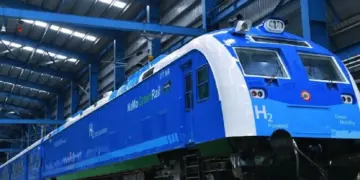
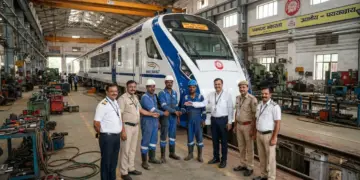

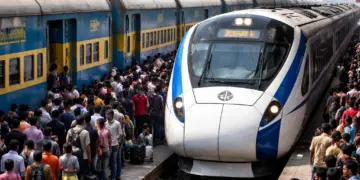



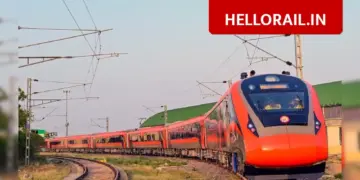



Prime Minister Narendra Modi is set to embark on a significant visit to Haryana, Chandigarh, and Punjab on July 17, 2026, marking a monumental day for Indian infrastructure and railway technology. During this visit, the Prime Minister will unveil a suite of development projects valued at approximately ₹26,800 crore. The most eagerly anticipated event of the tour is the official flagging off of India’s first-ever hydrogen-powered train, which will serve the route between Jind and Sonipat in Haryana.
Key highlights of the Prime Minister’s visit include:
- Unveiling of nationwide development projects totaling ₹26,800 crore.
- Flagging off India’s maiden hydrogen train on the Jind-Sonipat route.
- Foundation stone laying for projects worth ₹14,700 crore in Jind, Haryana.
- Inauguration of development works exceeding ₹6,600 crore in Chandigarh, focusing on health, education, and roads.
- Foundation stone for a new Sikh Museum dedicated to Sikh heritage in Kurukshetra.
A Milestone for Green Railways
The introduction of the hydrogen train represents a major shift toward sustainable transportation within the Indian Railways network. By utilizing hydrogen fuel cell technology, this train promises to significantly reduce carbon emissions, aligning with the national goal of achieving a cleaner and greener railway ecosystem. This project places Jind at the forefront of India’s technological transition in the rail sector.
Extensive Regional Development
Beyond the railway advancements, the visit underscores a massive push for regional infrastructure. In Jind alone, the Prime Minister will dedicate projects worth ₹14,700 crore, aiming to boost local connectivity and industrial growth. Meanwhile, in Chandigarh, the allocation of over ₹6,600 crore is set to transform the region’s social infrastructure, with dedicated investments in the healthcare and education sectors. The construction of the Sikh Museum in Kurukshetra further highlights the government’s focus on preserving cultural and religious heritage alongside modern development. These projects collectively signal a massive boost for the socio-economic landscape of North India.