









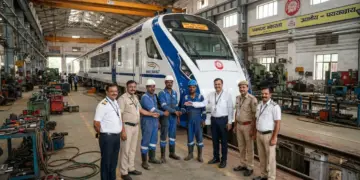

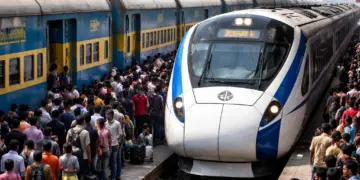
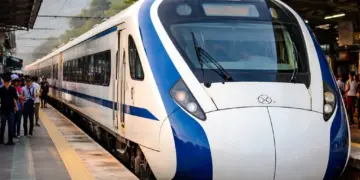



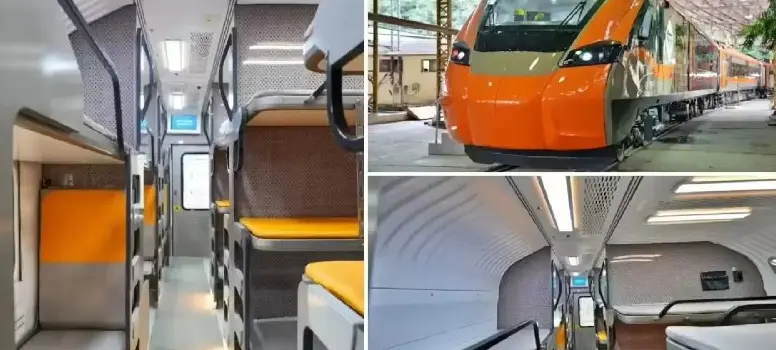

The highly anticipated rollout of Vande Bharat sleeper trains has encountered fresh hurdles, with the delivery of the first prototypes now pushed to late 2026. Indian Railways is currently recalibrating its strategy to meet the demand for these premium long-distance services by considering internal manufacturing capabilities to bypass ongoing design-related bottlenecks.
Key updates regarding the project include:
• A delay in the delivery of 120 Vande Bharat sleeper train sets linked to design documentation issues.
• Reliance on internal manufacturing facilities being explored to reduce dependency on external consultants.
• The original 2023 contract mandates the production of 200 train sets, with Kinet Railway Solutions handling 120 units and the Titagarh-BHEL consortium handling 80.
• Continued development of 24-coach extended versions by the Integral Coach Factory (ICF) in Chennai.
Design Challenges and Production Setbacks
The core of the current delay stems from a lack of necessary technical documentation from a German consultant working with Kinet Railway Solutions, an Indo-Russian joint venture between Rail Vikas Nigam and Transmashholding. This documentation gap has stalled the finalization of designs for the 120 allotted train sets. While Railway Minister Ashwini Vaishnaw previously cited manufacturing capacity as a hurdle, the project is now clearly grappling with design approval complications that have hindered progress.
The Path Forward for Vande Bharat Sleepers
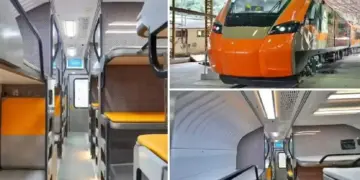
Despite these challenges, the broader project remains a top priority for the national transporter. The industry is currently moving on multiple fronts to ensure that the Vande Bharat sleeper experience becomes a reality. While the first prototype unveiled by BEML in September 2024 faced scrutiny from the Integral Coach Factory (ICF) regarding workmanship standards, the momentum to perfect the design continues.
ICF Chennai is actively designing a 24-coach extended version of the sleeper train and is slated to manufacture 50 of these rakes internally. By leveraging its own manufacturing prowess, Indian Railways aims to mitigate the reliance on external design processes that have caused these recent setbacks. This multifaceted strategy signifies a shift towards greater self-reliance, ensuring that the next generation of Indian trains meets the high quality and safety standards expected by millions of passengers across the country.