















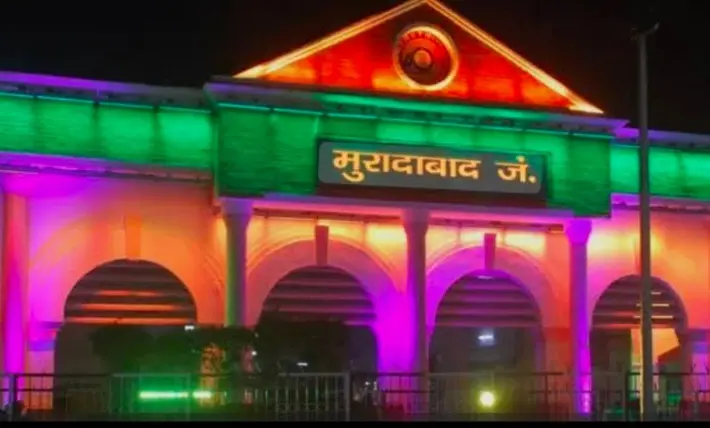

The railway landscape in Northern India is set for a major transformation as Moradabad and its surrounding network undergo significant infrastructure upgrades. These developments are aimed at easing congestion, boosting operational efficiency, and drastically reducing travel times for passengers across the region. Key updates include:
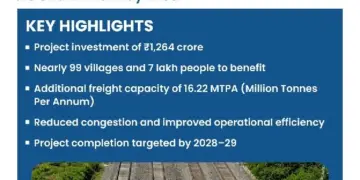
- Approval of the 403 km Ghaziabad – Sitapur 3rd and 4th line project costing Rs 14,926 crore.
- The ambitious Moradabad-Delhi Rapid Rail project valued at ₹10,000 crore, targeting a 90-minute commute.
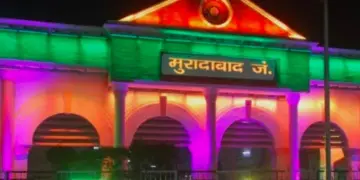
- Introduction of six new bypassing stations to decongest Moradabad Railway Station.
- Operational adjustments and yard remodeling initiatives to streamline current traffic flow.
Strategic Network Expansion
In April 2026, the Cabinet Committee on Economic Affairs (CCEA) gave the green light to massive multi-tracking projects worth a total of Rs 24,815 crore, with a completion deadline set for 2030-31. A centerpiece of this initiative is the Ghaziabad – Sitapur 3rd and 4th line. This expansive project is specifically engineered to bypass historically congested transit points like Moradabad by introducing six new stations, thereby ensuring that through-traffic does not impede local operations.
High-Speed Connectivity and Modernization
Beyond traditional track expansion, the region is embracing high-speed transit. The Moradabad-Delhi Rapid Rail project is currently hitting critical milestones, with its ‘Project Vision’ expected to be finalized by June 2026. Once construction begins later that year, the link will provide a high-speed elevated corridor, effectively bridging the distance between Moradabad and the National Capital in just 90 minutes.
Operational Adjustments for Passengers
While long-term projects are in the pipeline, the Moradabad Division of Northern Railway is simultaneously managing immediate network needs. For July 2026, the division has introduced specific operational adjustments, including temporary train cancellations and diversions necessitated by yard remodeling at Lalitpur. These measures, alongside the extension of various special train services, reflect the railway’s commitment to maintaining service quality and passenger flow while executing large-scale infrastructure work. For regular commuters, these steps are vital in ensuring that the transition toward a modernized rail network remains as seamless as possible.