
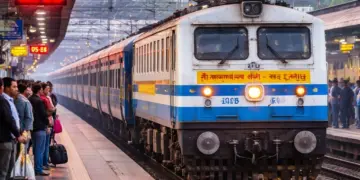


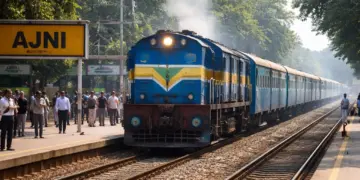


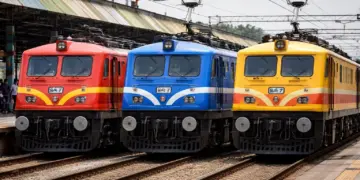


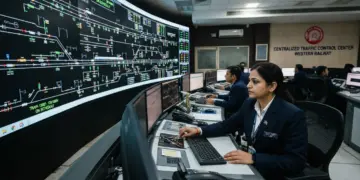







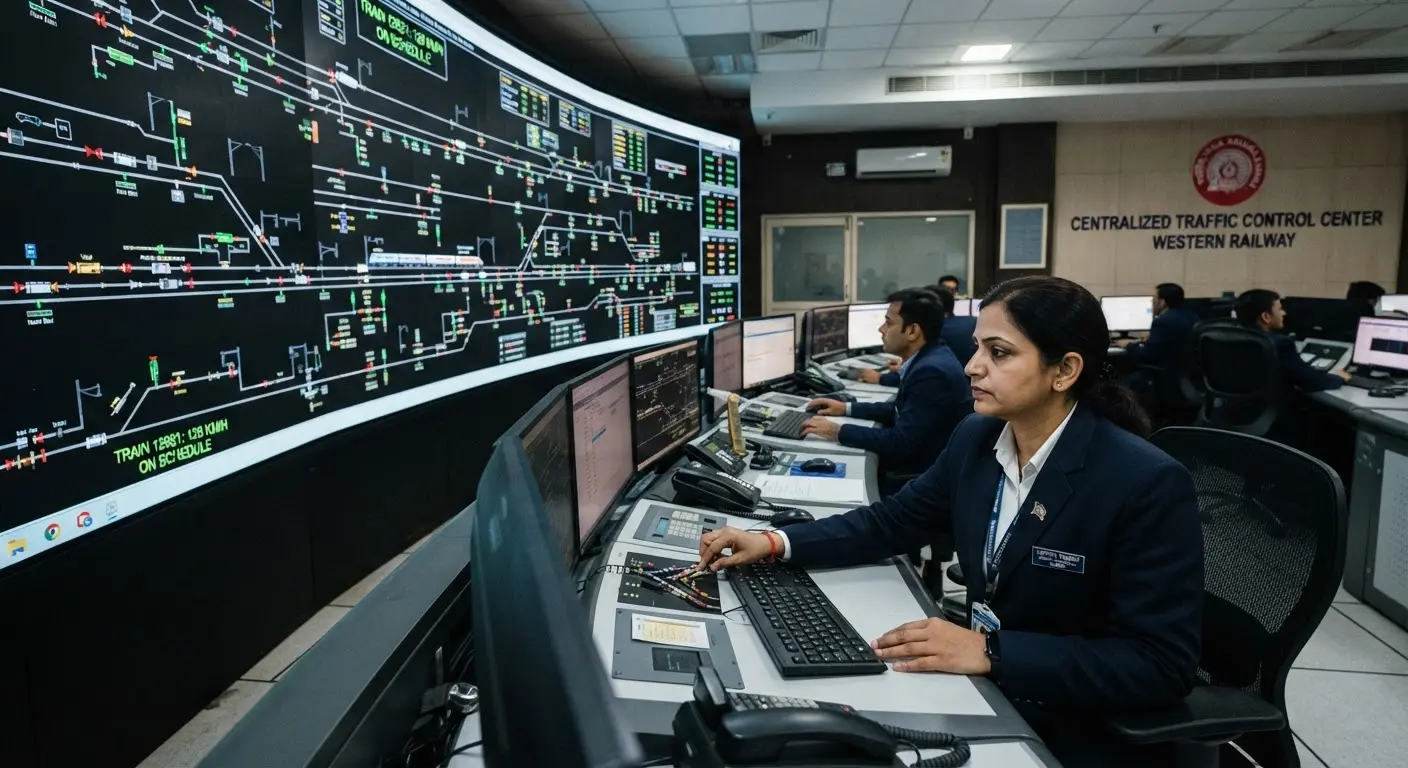

Indian Railways is set for a massive technological transformation by rolling out advanced Centralized Traffic Control (CTC) systems across its network. This strategic upgrade is designed to significantly improve operational efficiency, safety, and travel speed. By shifting from decentralized station-by-station control to a unified command structure, the national transporter aims to achieve a landmark average speed of 115 kilometers per hour. The project is expected to reach completion by March 1, 2027.
Key highlights of the new CTC implementation include:
* **Boosting train speeds by 25-30% and cutting travel time by up to three hours.**
* **Setting a target average speed of 115 kmph for the first time in railway history.**
* **Reducing accidents caused by human error by an estimated 85-90%.**
* **Centralizing control of approximately 300 stations into a single command center.**
* **Extending signal distances from one kilometer to two kilometers for better loco pilot reaction times.**
Revolutionizing Train Operations
The CTC system marks a departure from traditional methods where local station masters manage individual segments. Instead, the new system will allow for the safe operation of trains over distances exceeding 500 km from a single location. This is particularly vital for high-traffic corridors such as the **Delhi-Mumbai (1,386 km)** and **Delhi-Kolkata (1,445 km)** routes. Initial trials and implementation will focus on the Delhi-Howrah and Delhi-Kolkata lines before expanding nationwide.
Technical Standards and Collaboration
This modernization effort is being spearheaded by the Railway Board, with technical expertise provided by the **Centre for Railway Information Systems (CRIS)** and the **Research Designs & Standards Organisation (RDSO)**. Hitachi Rail STS India, which successfully commissioned the country’s first operational CTC at Tundla Railway Station, is also a key partner in this project.
To ensure world-class safety, the systems are being engineered to meet the **Safety Integrity Level (SIL-4)**. This adheres to rigorous international benchmarks, including **CENELEC EN-50128/50129**, alongside national specifications like **IRS:S-99/2017**. By integrating these advanced systems, Indian Railways aims to provide a faster, more reliable, and significantly safer travel experience for millions of passengers across the country.