




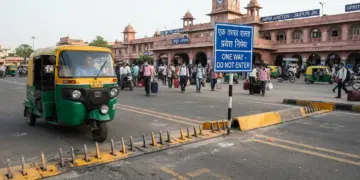





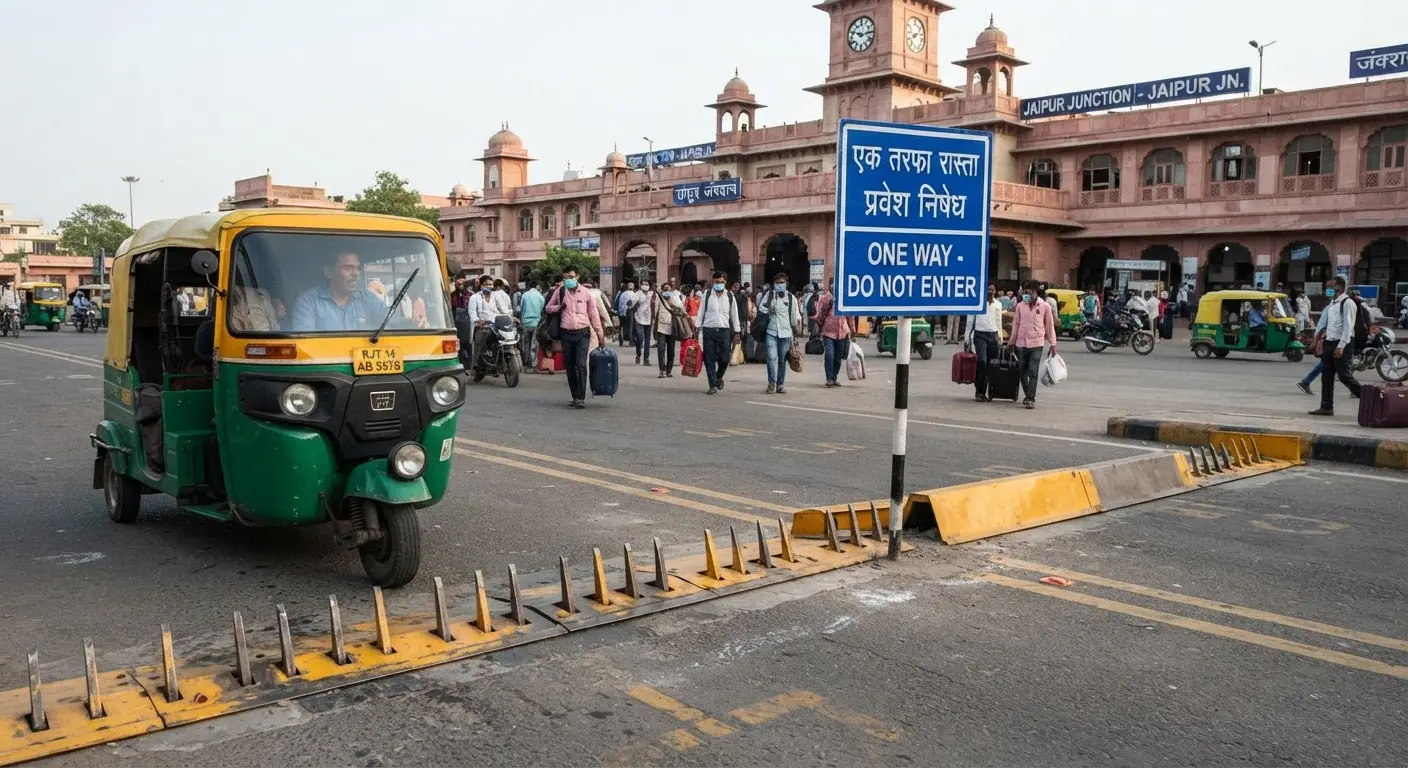

Jaipur Junction is taking significant steps to improve passenger safety and traffic flow by exploring the installation of advanced ‘tire killer’ barriers to prevent wrong-side vehicle entry. While official confirmation regarding the installation of these specific barriers within the last 24 hours as of July 29, 2026, is awaited, the initiative reflects a strong commitment to streamlining operations at this vital railway hub. Key developments in this effort include:
- Potential installation of tire killer barriers to deter wrong-way traffic.
- Strict enforcement against traffic violators with fines reaching up to ₹5,000.
- Integration of AI-powered CCTV and ANPR cameras by Jaipur Traffic Police.
- Dedicated lane segregation and exit-only points under the Hasanpura overbridge.
- Deployment of QR code-based SOS alerts to enhance women’s safety.
A Focus on Seamless Traffic Management
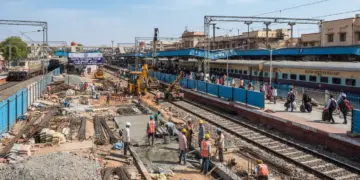
Since early 2025, authorities have intensified their crackdown on traffic violations, including the registration of FIRs for wrong-side driving. The infrastructure at Jaipur Junction underwent a major overhaul in April 2026, which saw the introduction of separate lanes for different vehicle types and the establishment of an exit-only point under the Hasanpura overbridge. These changes, coupled with new pedestrian pathways, are designed to reduce congestion and improve the overall experience for thousands of daily commuters.
Bolstering Security Infrastructure
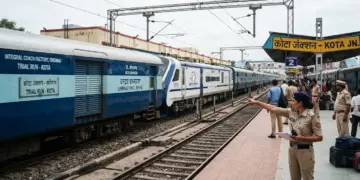
Passenger safety remains a top priority at Jaipur Railway Station. Following security reviews in January 2026, the station has maintained a high level of vigilance. The Railway Protection Force (RPF) and Government Railway Police (GRP) have been operating with increased personnel since February 2025 to monitor the station premises effectively.
Recent security drills, including a major exercise conducted at the nearby Gandhi Nagar Railway Station on July 28, 2026, saw the participation of bomb squads and the Anti-Terrorism Squad (ATS) to ensure the staff is ready for emergency scenarios. Furthermore, the 96th Traffic Control Board meeting has paved the way for modern safety solutions, such as QR code-based SOS alert facilities, marking a progressive shift toward tech-driven passenger protection. As the station continues to evolve, these combined measures in traffic control and emergency preparedness aim to create a safer and more efficient environment for all passengers.