
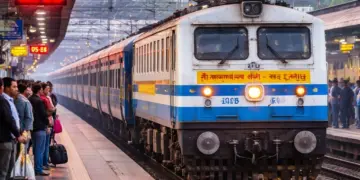



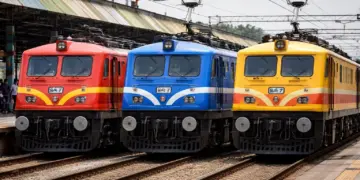

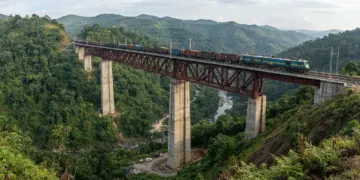
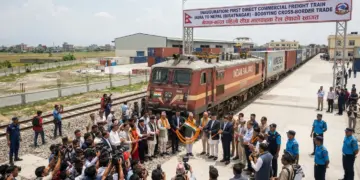





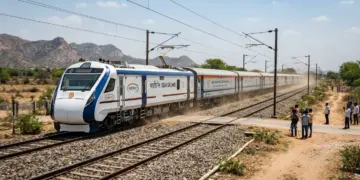
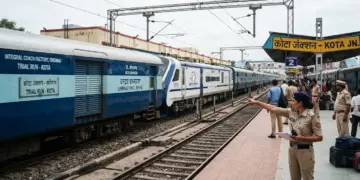
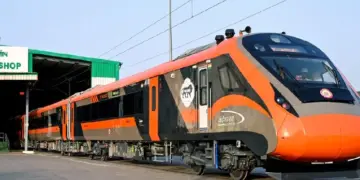
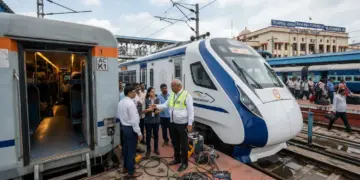
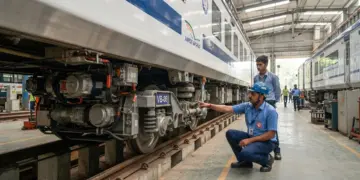
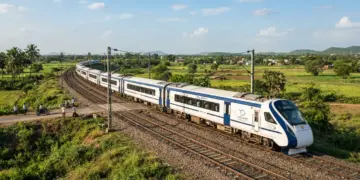


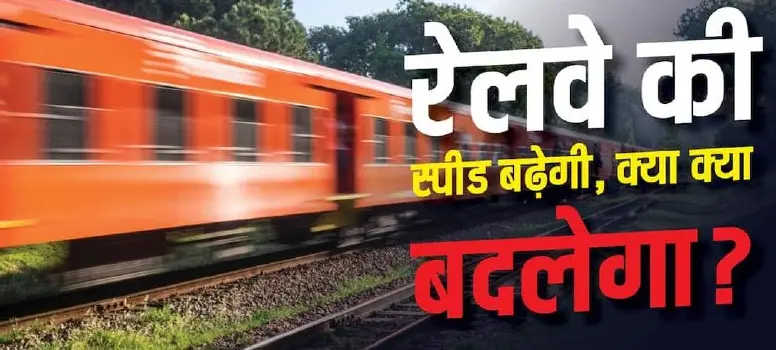

Indian Railways is accelerating its flagship ‘Mission Raftaar’ initiative to transform passenger travel by significantly boosting train speeds and reducing journey durations across its network. The ambitious roadmap, shared by Railway Minister Ashwini Vaishnaw in the Rajya Sabha on July 29, 2026, focuses on achieving an average speed of 115 km/h across the network by March 2027.
Key highlights of the mission include:
• A target to increase the average speed of Mail and Express trains by 25 kmph.
• Reducing total passenger travel time by at least three hours on key routes.
• Implementing Centralized Traffic Control (CTC) for safer and faster operations.
• Phasing out over 300 underperforming stops to improve operational efficiency.
• Enhancing safety through the deployment of Kavach 4.0 technology.
Infrastructure Overhaul and Modernization
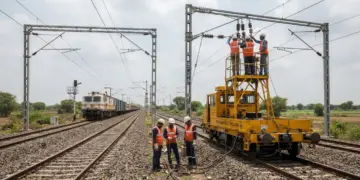
To support these higher speeds, Indian Railways is upgrading its hardware. The network is transitioning to an advanced **Centralized Traffic Control (CTC) system**, which will replace traditional signaling on routes targeting 160 km/h. This transition will centralize control for approximately 300 stations, allowing for better coordination over distances exceeding 500 km. Major corridors, such as the **Delhi-Howrah and Delhi-Kolkata routes**, are currently receiving prioritized attention, with Western Railway actively working on track strengthening and curve realignment to support high-speed operations.
Streamlining Operations for Efficiency
Operational efficiency is a cornerstone of this mission. Railways has identified over 300 experimental stops that failed to meet the commercial threshold of 15 tickets per day. By eliminating these stops by October 2026, the national transporter expects to **save 15 to 45 minutes per journey**. Beyond time savings, each eliminated stop conserves 300-350 units of electricity or 20-25 liters of diesel, marking a significant step toward sustainable operations.
Safety and Future Outlook
Safety remains the top priority in this high-speed transition. The deployment of the **Kavach 4.0 automatic train protection system** is projected to reduce human-error-related accidents by 85 to 90 percent. Furthermore, the ongoing construction of over 3,000 km of **Dedicated Freight Corridors (DFCs)** will ensure that freight trains can operate at 100 kmph, effectively de-congesting the tracks for faster passenger services. Following the successful conversion of 414 passenger services into MEMU trains between 2015 and 2022, the Railways continues to modernize its fleet to ensure a faster, safer, and more reliable experience for all passengers.