











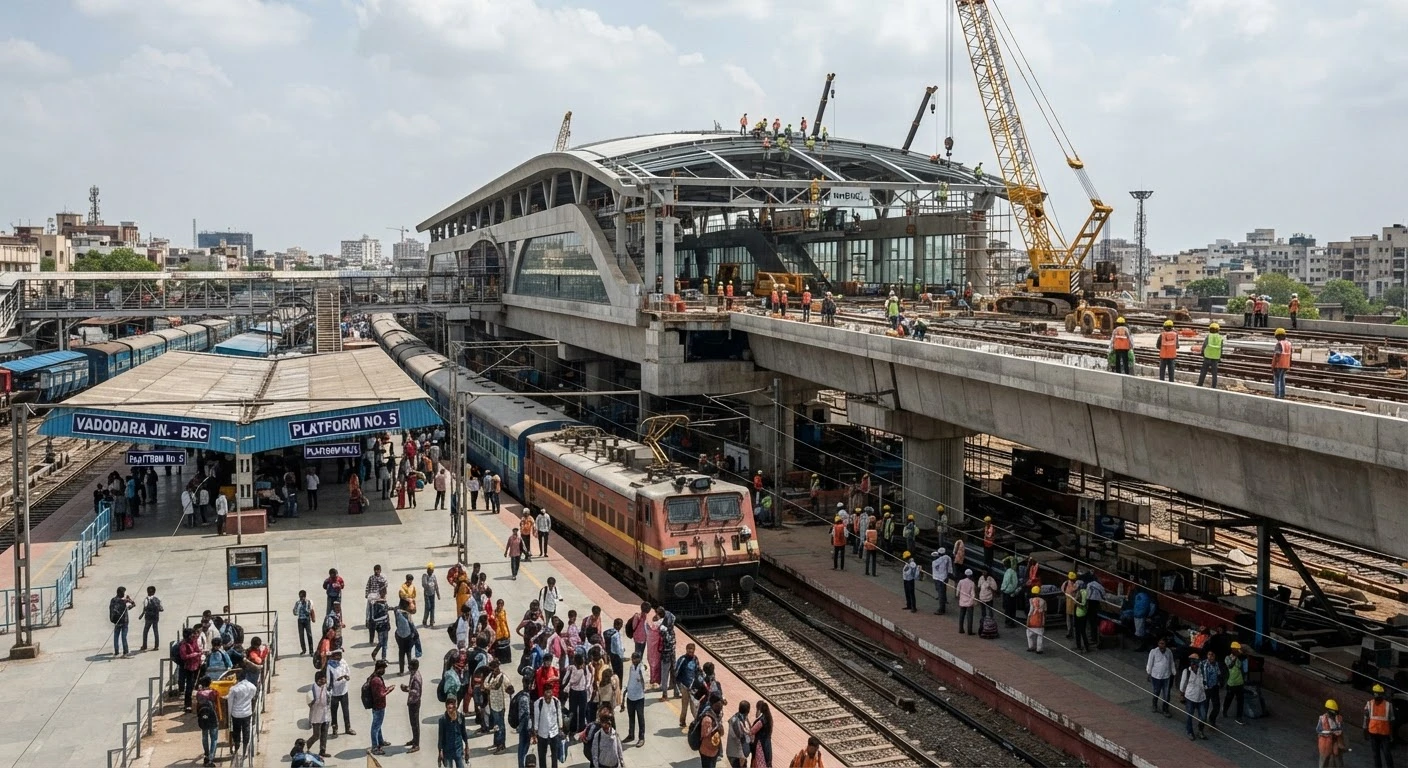

The Mumbai-Ahmedabad High-Speed Rail Corridor is achieving a major construction milestone as the Vadodara Bullet Train Station nears completion. Strategically designed to integrate with the existing Indian Railways network, this hub is set to become a landmark for multimodal connectivity in Gujarat. Key highlights of the project include:
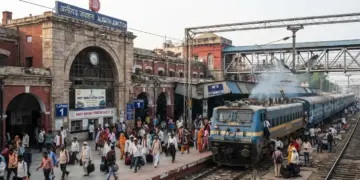
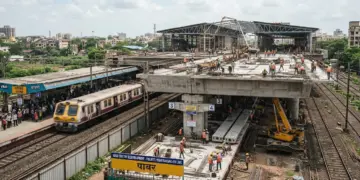
- The station is being constructed directly above Platform No. 7 of the conventional Vadodara Railway Station.
- Major structural milestones, including slab casting for the concourse, track, and platform levels, are already complete.
- The architecture is inspired by Vadodara’s iconic banyan (Vat) trees, focusing on natural light and open-sky aesthetics.
- The hub will feature modern amenities like baby care rooms, restrooms, waiting lounges, and retail outlets.
- Dedicated zones for cars, buses, and auto-rickshaws will ensure seamless transit to the city and inter-state bus depots.
Strategic Infrastructure Development
The project is spearheaded by the National High-Speed Rail Corporation Limited (NHSRCL), with L&T Construction executing the heavy civil infrastructure. By positioning the bullet train station directly over the existing railway tracks, authorities are ensuring that passengers can switch between high-speed rail and conventional trains with minimal effort, significantly reducing transit times for commuters.
Future of High-Speed Rail in India
The Vadodara station is part of a larger, ambitious timeline for India’s inaugural bullet train corridor. While construction at Vadodara continues at an accelerated pace, Union Railway Minister Ashwini Vaishnaw recently confirmed on July 12 that the Surat and Bilimora sections of the Mumbai-Ahmedabad corridor are expected to be operational by next year.
As structural steel erection continues, the station is shaping up to be more than just a transit point; it is designed to be a comprehensive transport hub. With its focus on passenger comfort, modern retail integration, and direct connectivity to city transport infrastructure, the Vadodara station serves as a blueprint for how India’s future high-speed rail network will merge seamlessly with its long-standing conventional railway system.