






The proposed 13.70-kilometer railway bypass project in Nagda has sparked significant resistance from local residents, farmers, and traders. While the project is designed to streamline rail traffic, the community is raising concerns regarding the impact of land acquisition on livelihoods and the town’s urban structure. Key updates regarding the situation include:
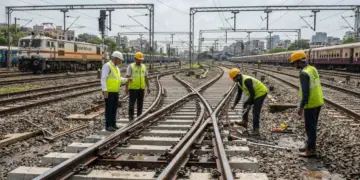
- The project aims to connect Rohal Khurd and Bhatisuda to bypass Nagda Junction.
- An estimated 62.6315 hectares of land is required, with 57.5073 hectares being private property.
- The total project cost is pegged at ₹390.36 crore, with a target completion date of March 2029.
- Protesters fear the bypass will disrupt residential areas and the Bhagatpuri industrial zone.
- Local concerns include the potential loss of irrigation land and the possible cancellation of 43 passenger train stoppages at Nagda.
Project Objectives and Strategic Importance
The railway bypass is a critical infrastructure initiative intended to allow trains traveling on the Delhi–Mathura–Kota route to proceed directly toward Ujjain–Indore. By removing the need for engine reversal at Nagda Junction, the project aims to significantly enhance operational efficiency and reduce travel time. Union Minister for Railways, Shri Ashwini Vaishnaw, has previously highlighted the importance of this development, particularly in preparation for major events like the Simhastha Kumbh Mela.
Community Resistance and Ongoing Negotiations
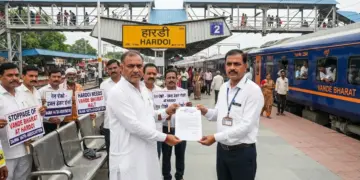
The “Nagda Bachao Sangharsh Samiti” has been actively organizing demonstrations and submitting formal memorandums to local authorities, including SDM Ranjana Patidar, following the publication of the gazette notification in July 2026. Opponents argue that the current alignment is intrusive and have suggested that the government explore an alternative route that avoids the town’s industrial and residential hubs.
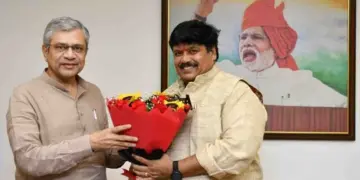
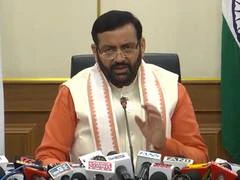
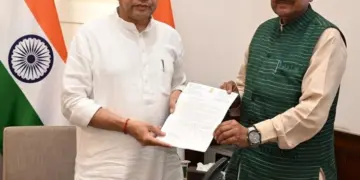
Furthermore, there is significant anxiety among the local business community regarding the future of Nagda Junction. Former MLA Gurjar and local representatives have approached their Member of Parliament, seeking clarity on whether this infrastructure upgrade will lead to the reduction of 43 existing passenger train stoppages. In response to these growing concerns, the local Member of Parliament recently held discussions with senior railway officials in Delhi to represent the community’s interests and seek a balanced resolution. As of the current fiscal year, ₹10 crore has been allocated to the project, which remains a focal point for both railway planners and the local population.