










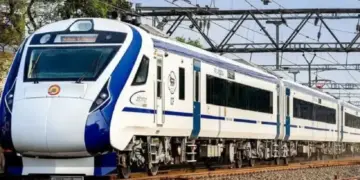



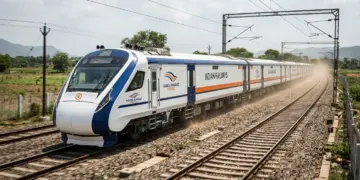
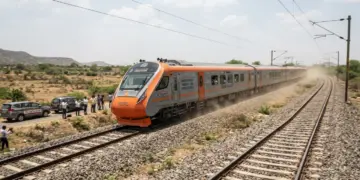


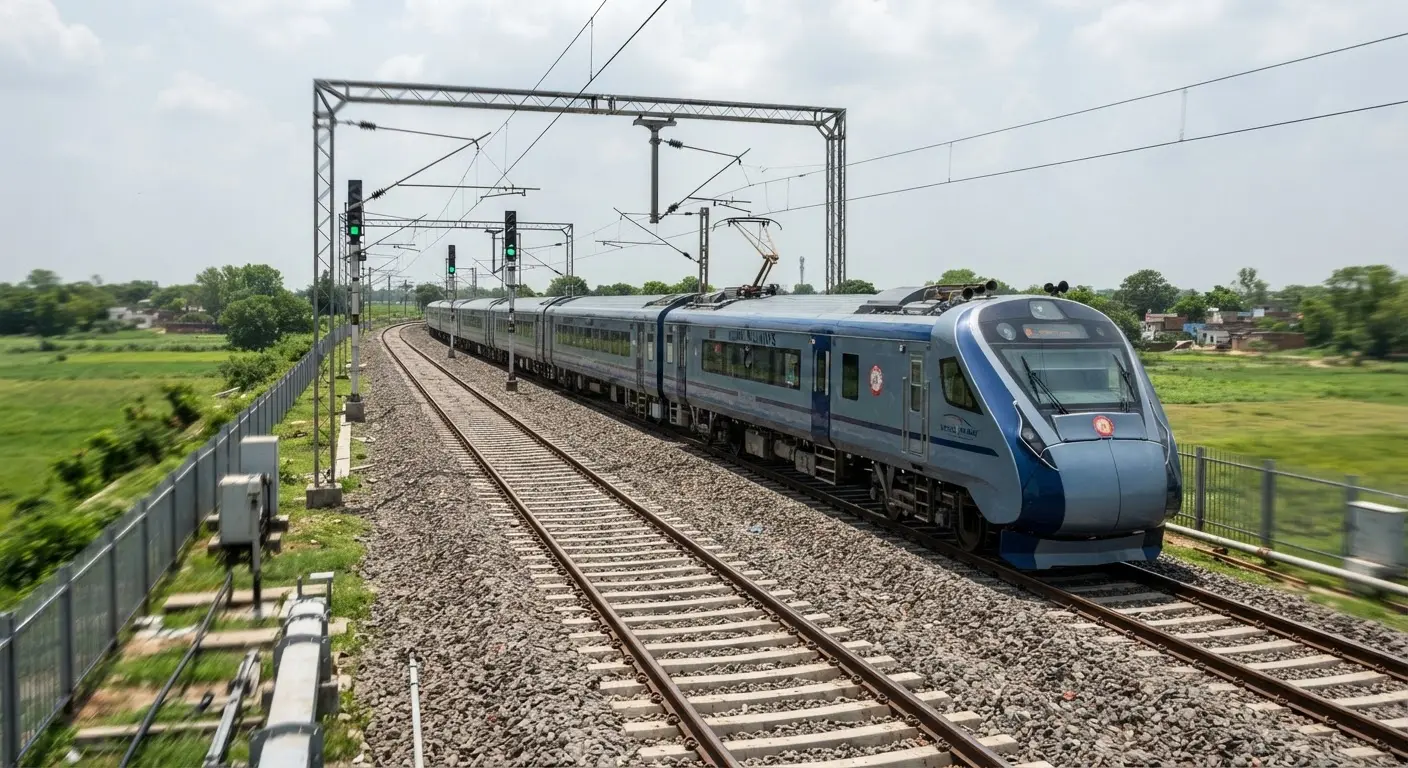

Indian Railways is currently fast-tracking its ambitious ‘Mission Raftaar’ to boost travel speeds across the busy Delhi–Howrah corridor. The national transporter is systematically upgrading infrastructure to facilitate train operations at 160 kmph, with a long-term vision to eventually reach 200 kmph. These efforts focus on electrification, safety protocols, and track modernization to ensure a seamless and rapid passenger experience.
- 160 kmph operations are being prepared for implementation with key milestones targeted around August 10.
- Kavach Version 4.0 has been successfully commissioned on 1,210 route kilometers along this corridor as of July 31, 2026.
- A new rail project for the Danapur–Fatuha section in Bihar was approved on August 1, 2026, at a cost of ₹976 crore to decongest the route.
- Over ₹1.14 lakh crore has been utilized by July 2026, representing 39% of the FY27 budget allocation.
Safety and Infrastructure Milestones
The backbone of these speed enhancements is the Kavach Automatic Train Protection (ATP) system. This indigenous technology is essential for maintaining safety at higher velocities. A major breakthrough occurred on March 22, 2026, when the Kavach system was commissioned on the 190-route-kilometer section between Prayagraj and Kanpur. By utilizing the standard 25,000-volt electrification system, the Railways is ensuring that the infrastructure is robust enough to handle the increased power and speed requirements of modern train sets.
Capacity Expansion and Future Outlook
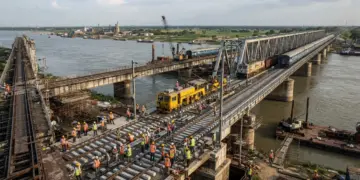
Recognizing that speed is only one part of the equation, Indian Railways is simultaneously working to decongest the Delhi–Howrah artery. The approval of the Danapur–Fatuha rail line project is a strategic move to improve traffic flow in Bihar, preventing bottlenecks that often delay long-distance trains.
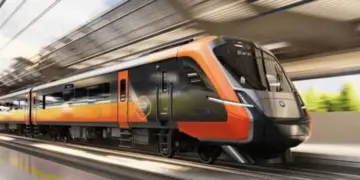
While the current focus remains on upgrading the existing network to 160 kmph, the Ministry of Railways is looking further ahead. Feasibility studies are already underway for dedicated high-speed rail corridors, including a proposed Delhi–Kolkata route designed to support speeds of 200 kmph and beyond. With massive capital expenditure directed toward safety and capacity, passengers can expect a significant transformation in how they travel between these two major metropolitan hubs in the coming years.