




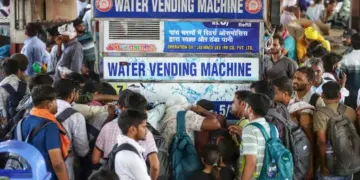






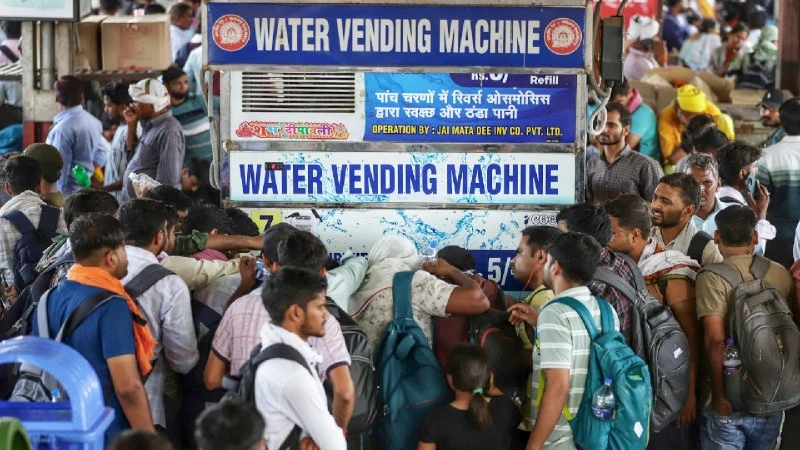

The Ministry of Railways has launched a nationwide mission to upgrade drinking water infrastructure across 20,000 locations following a critical audit by the Comptroller and Auditor General (CAG) of India. Announced on August 16, 2026, this initiative directly addresses serious health concerns identified in the August 12, 2026, CAG report, which highlighted the presence of harmful bacteria like E. coli and total coliform in water samples at non-suburban stations.
Key highlights of the initiative include:
• A comprehensive upgrade of drinking water infrastructure at 20,000 railway locations.
• Implementation of a new ‘Tank to Tap’ water filtration and monitoring system.
• Replacement of aging water storage tanks across the network.
• Introduction of centralized water quality tracking and mandatory cleaning protocols.
• Direct oversight by the Railway Board to ensure transparency and public accountability.
Focus on Passenger Health and Safety
Under the leadership of Railway Minister Ashwini Vaishnaw, the national transporter is shifting its focus toward ensuring that every passenger has access to safe and clean drinking water. The CAG report had previously pointed out a significant gap in essential passenger amenities, specifically regarding water safety standards. By mandating the ‘Tank to Tap’ system, the ministry aims to eliminate contamination risks at the source and throughout the distribution network.
Accountability and Future Monitoring
To ensure this project does not face the same pitfalls as previous infrastructure efforts, the Railway Board will maintain direct control over the execution. A major component of this reform is the commitment to public transparency. The Ministry of Railways has announced that it will publish periodic progress reports and water quality status updates to keep passengers informed. This step is expected to boost commuter confidence and ensure that the 20,000 locations meet strict health and safety benchmarks. This overhaul marks a significant move by the Indian Railways to prioritize public health and modernize aging station facilities across the country.