





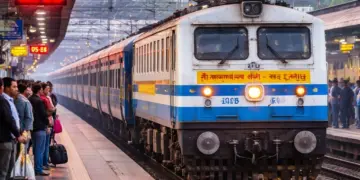


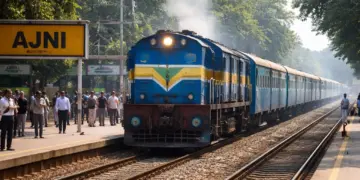


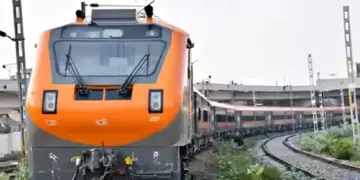











Indian Railways is upgrading its track infrastructure by introducing modern composite sleepers and Artificial Intelligence for monitoring. This initiative, led by Rail Minister Ashwini Vaishnav, aims to replace old concrete and iron sleepers at critical points like bridges and crossings. The technology will ensure smoother rides and better safety standards across the network by reducing vibrations and identifying track defects early.
ℹ: Indian Railways to construct bypass tracks at 8 major junctions including Jabalpur and Kota।
What are the benefits of modern composite sleepers for passengers?
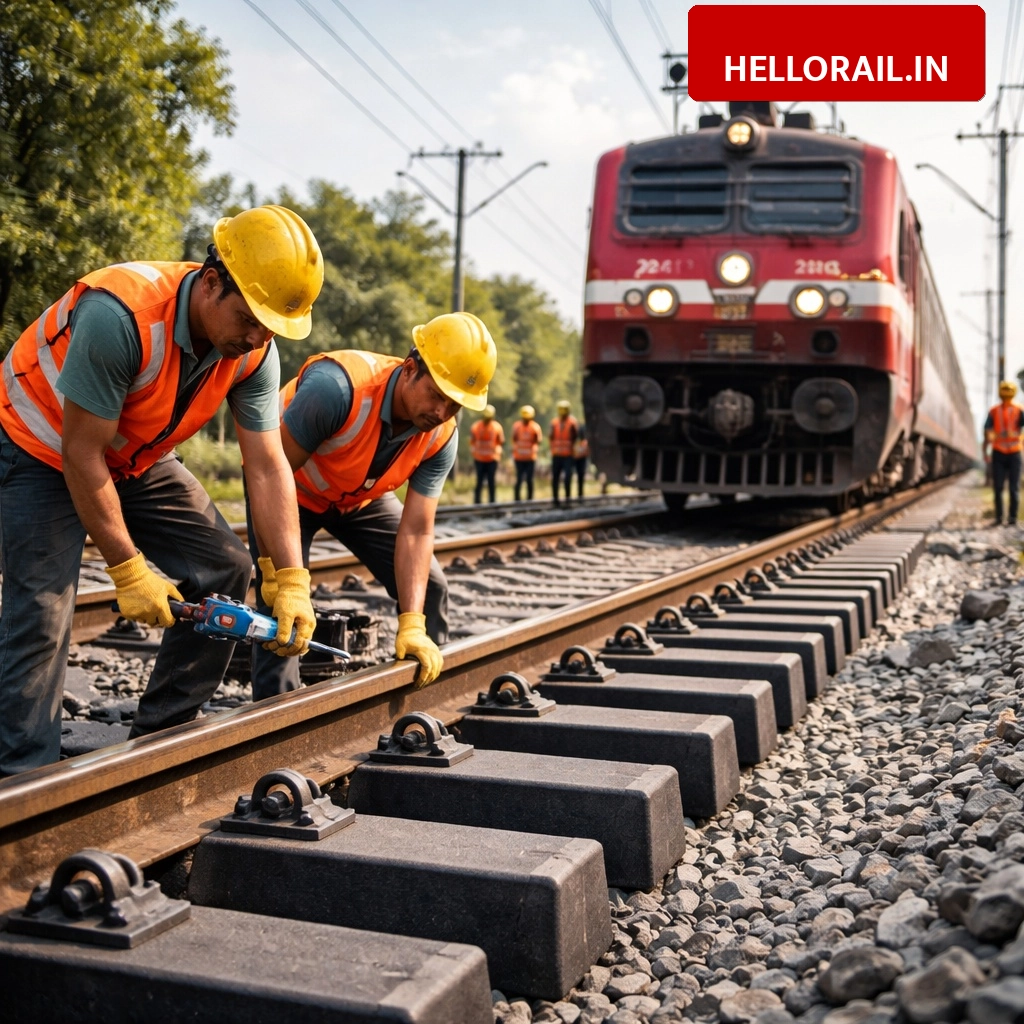
Composite sleepers are made from advanced polymer materials or recycled high-density polyethylene. They are significantly lighter than traditional concrete sleepers but offer much higher durability and strength. These sleepers provide better cushioning, which reduces jerks and noise when trains pass over bridges or turnouts. With a load-bearing capacity of up to 700 kg per square centimeter, they require less maintenance and have a longer service life compared to older materials.
How will AI and GPR improve railway track safety?
- Ground Penetrating Radar (GPR): This device will be installed on inspection vehicles to scan the track base for hidden issues like voids or waterlogging below the surface.
- AI Monitoring: Artificial Intelligence will analyze the data from GPR to identify potential risks and structural weaknesses before they cause accidents.
- Magnetic Particle Testing (MPT): This technology will be used to detect even the smallest defects in welded track joints to prevent rail fractures.
- Smart Monitoring: The system provides real-time alerts to maintenance teams, allowing for proactive repairs and reducing the risk of train derailments.